
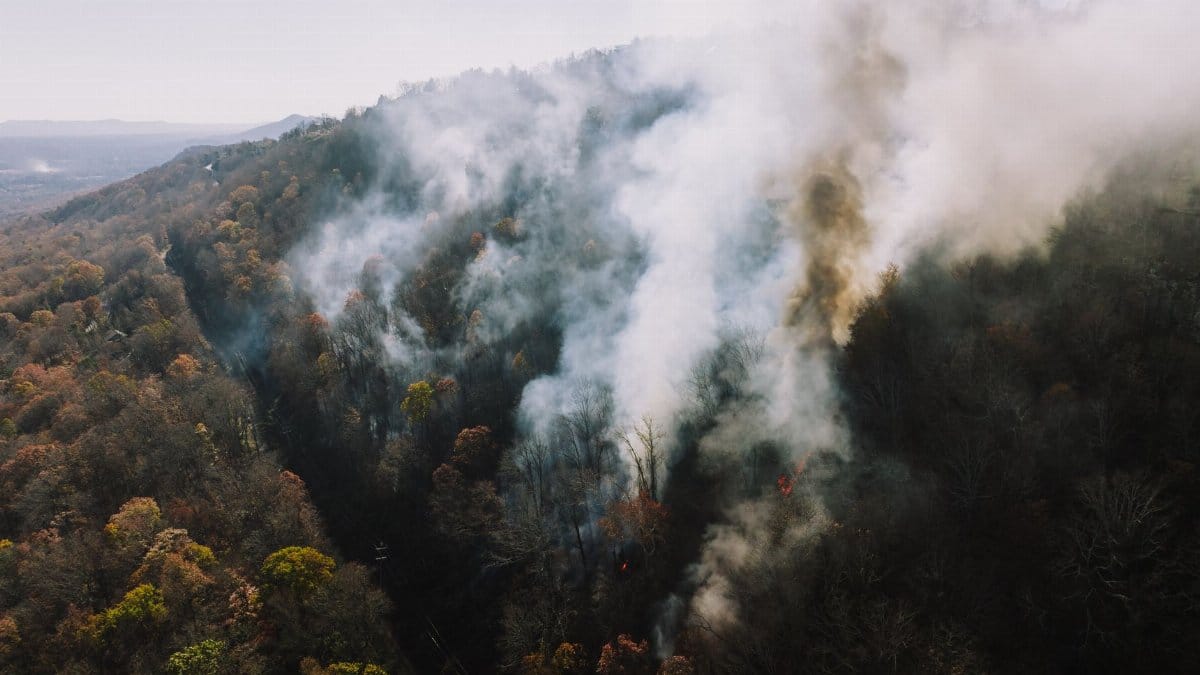
Every summer the skies over the Great Lakes take on an unfamiliar haze as winds carry particles from far away blazes. Residents notice the air feels heavier and the sunsets glow in unusual shades. This phenomenon brings attention to Michigan wildfire smoke and its journey across borders. The issue raises questions about air quality management and how communities adapt to changing environmental patterns each season. Observers often wonder why such events seem more frequent now than in past decades while experts track wind patterns and fire activity in northern forests.
Origins of Smoke from Northern Blazes
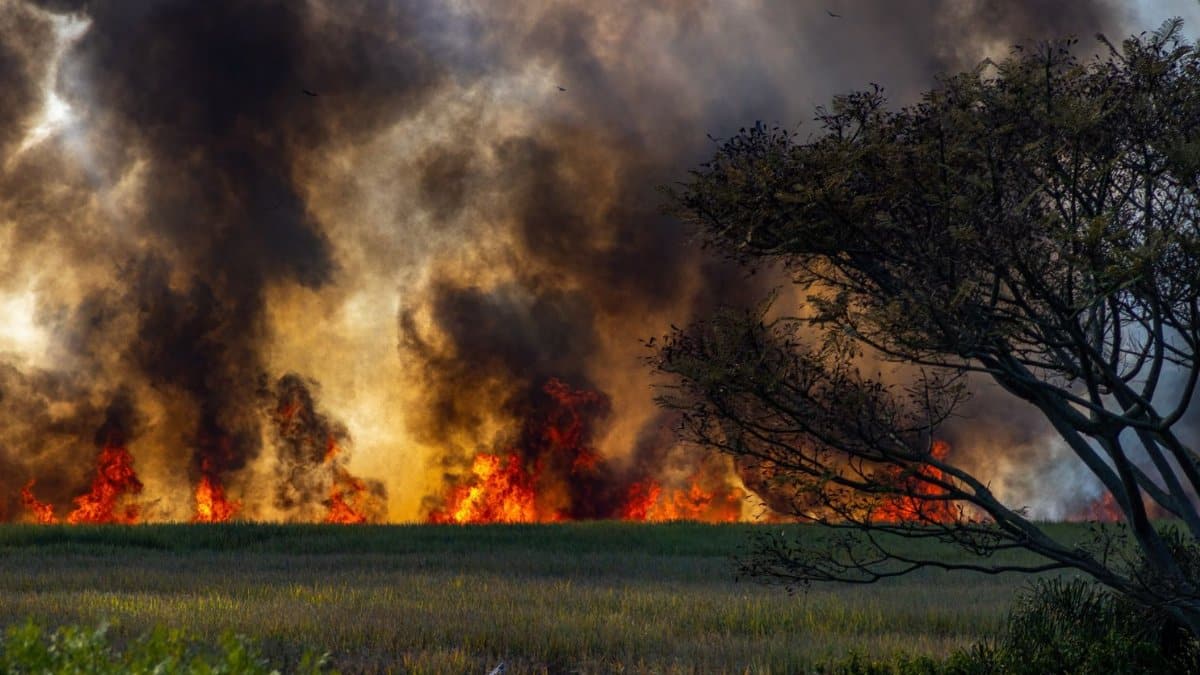
Fires in Canadian forests release vast amounts of fine particles that travel long distances on prevailing winds. These plumes move southward when weather systems align in particular ways often during dry periods. Michigan receives a share of this material because of its position relative to the source regions. Studies from environmental agencies confirm the routes these air masses follow based on satellite data and ground measurements.
Weather Patterns Driving the Movement

High pressure systems and jet stream positions play key roles in guiding smoke southward. When winds blow from the northwest the particles cross the border and settle over lakes and cities alike. Shifts in these patterns can clear the air quickly or prolong exposure for days. Meteorologists monitor these flows to issue timely advisories for affected areas.
Effects on Daily Life in Affected Regions
People in Michigan adjust routines when air quality declines limiting outdoor time and relying on indoor filters. Schools may cancel recess while sensitive groups stay indoors. The changes affect everything from exercise habits to local events planned for open spaces. Communities share tips on protecting health during these episodes through local networks.
Health Considerations from Prolonged Exposure

Fine particles in the air can irritate lungs and worsen conditions for those with respiratory issues. Public health officials recommend watching official updates and using masks when necessary. Long term trends show rising concern over repeated events though most residents recover once conditions improve. Awareness campaigns help spread practical advice.
Historical Context of Similar Events
Records indicate occasional smoke intrusions from Canada over many years but recent seasons stand out for frequency. Earlier incidents taught lessons about monitoring and response that inform current practices. The pattern reflects broader shifts in fire activity across the continent tied to dry conditions.
Role of Climate Trends in Frequency

Warmer temperatures and extended dry spells contribute to more intense fire seasons in source areas. This leads to greater smoke production that reaches farther south on occasion. Analysts note connections between these factors though natural variability also plays a part each year.
Community Responses and Preparations

Local governments in Michigan stock supplies and update emergency plans based on forecasts. Residents learn to check air quality indexes regularly and create personal strategies for comfort. Schools and businesses develop guidelines that minimize disruption while prioritizing safety.
Spiritual Reflections on Nature Cycles
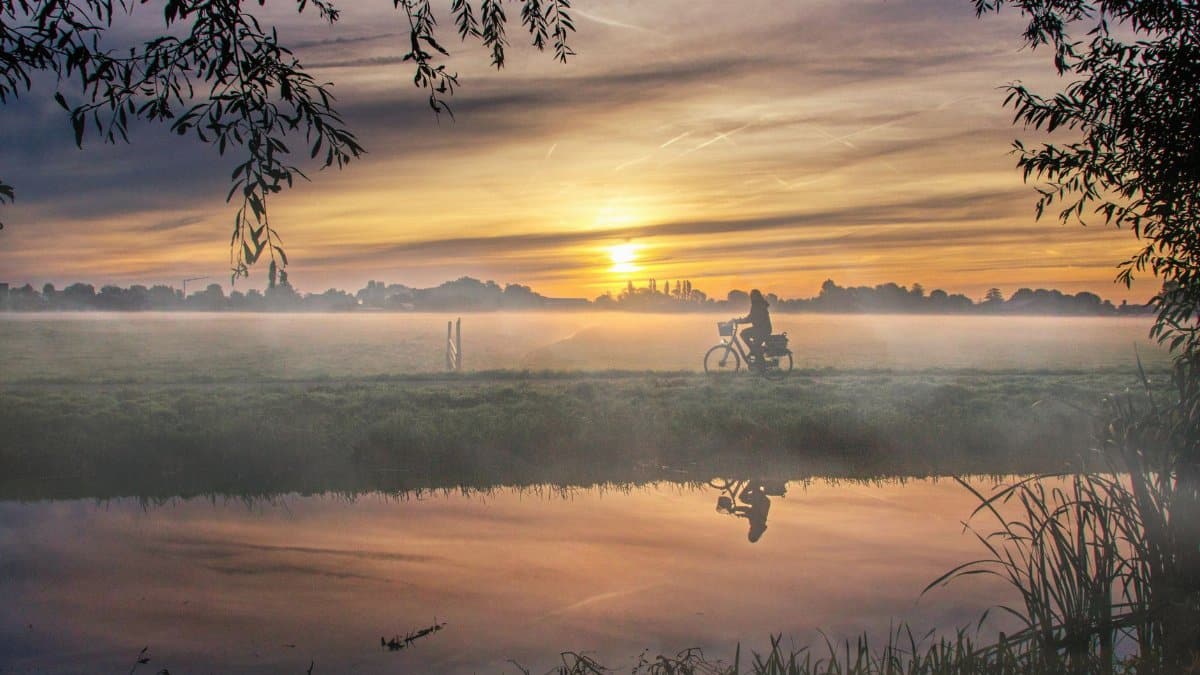
Some find moments of contemplation amid the haze pondering human ties to natural forces and the need for balance. Trends in mindfulness practices encourage pausing to observe environmental changes rather than resisting them outright. This perspective appears in discussions around air quality events as people seek meaning in shared experiences.
Looking Ahead to Future Seasons

Continued monitoring and international cooperation offer paths to better prediction and mitigation. Advances in technology may improve alerts while policy efforts address root causes of fires. Michigan communities remain engaged in these developments to safeguard their surroundings.