
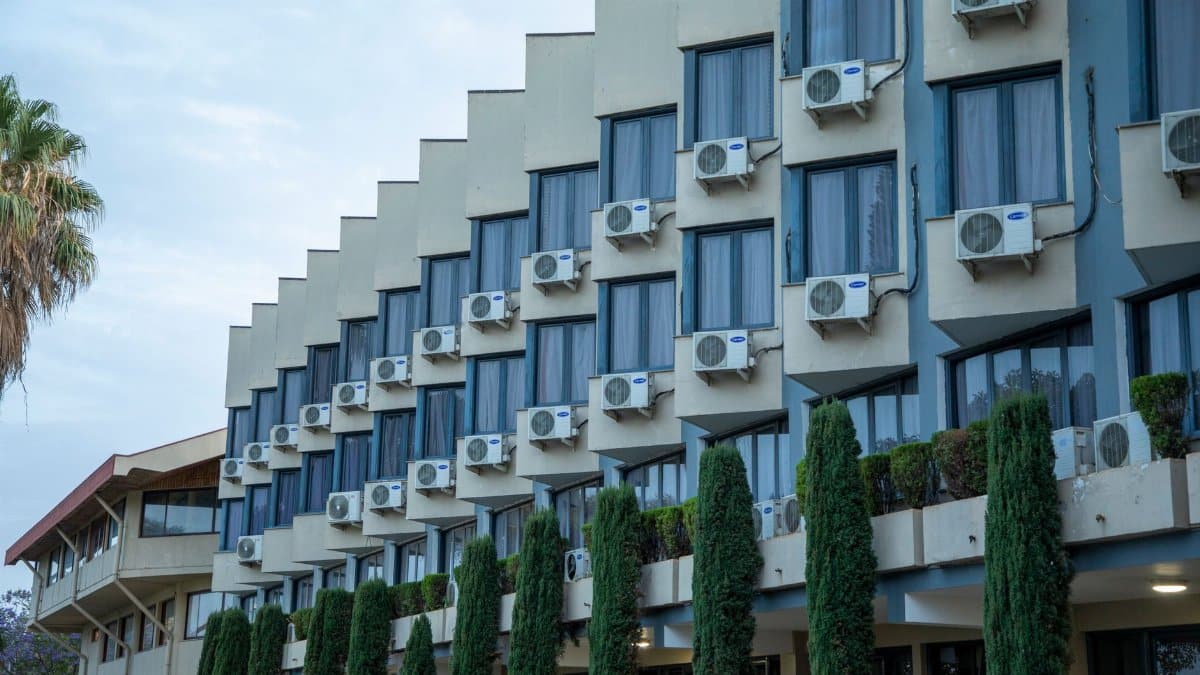
In the Pacific Northwest, summers have grown steadily hotter, leaving many residents searching for ways to stay comfortable indoors. For renters in particular, installing cooling equipment often ran into resistance from property owners worried about modifications or energy use. Now the WA tenant AC law changes that dynamic by protecting the ability to add portable units in most rental situations. This measure responds to public health needs during extreme heat events and seeks to balance tenant comfort with existing lease agreements across the state.
Background on Heat and Rental Housing
Washington has seen increasing periods of high temperatures that can affect older adults and those with respiratory conditions. Apartments without built in cooling have left many households vulnerable. Data from health agencies show rises in heat related emergency visits during recent summers. The new rule aims to reduce such risks by clarifying what renters may do on their own.
How the Measure Defines Allowed Equipment

Portable air conditioning units receive explicit protection under the WA tenant AC law. These devices plug into standard outlets and require no permanent alterations to walls or windows. Window units may face more limits if they involve drilling or structural changes. Landlords retain authority over safety issues such as electrical capacity but cannot impose blanket bans on portable models.
Lease Agreements and Prior Restrictions
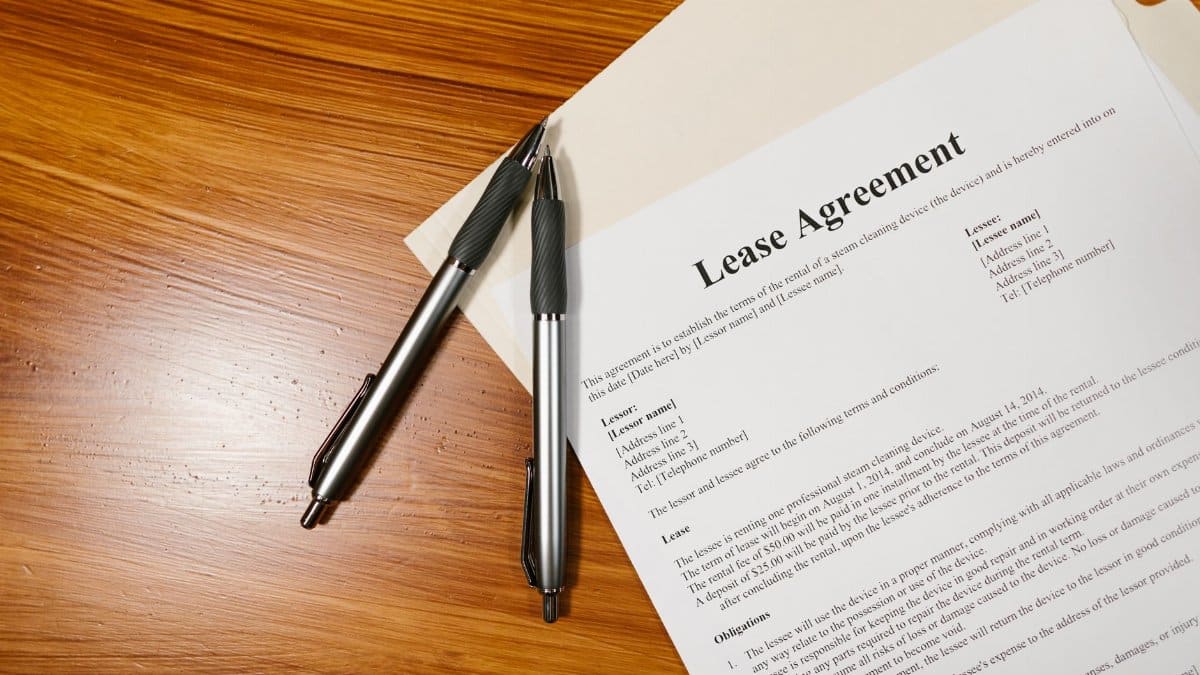
Many existing contracts included clauses against additional appliances. The WA tenant AC law overrides such language in most cases, treating portable cooling as a reasonable accommodation. Tenants should still review their documents and notify owners in writing before installation. This step helps avoid later disputes over security deposits or maintenance.
Health Considerations Driving the Change

Medical professionals have long noted that prolonged exposure to high indoor heat can worsen heart and lung problems. Communities with limited access to cooling resources experience higher rates of distress calls. By supporting tenant additions of portable units the law addresses these gaps without requiring major building upgrades from property owners.
Practical Steps for Renters to Follow
Start by confirming the unit meets energy and safety standards set by the property. Use surge protectors and avoid overloading circuits. Place the device away from direct sunlight and ensure proper ventilation through the exhaust hose. Keep records of all communications with the landlord regarding the addition.
Landlord Responsibilities Under the Rule
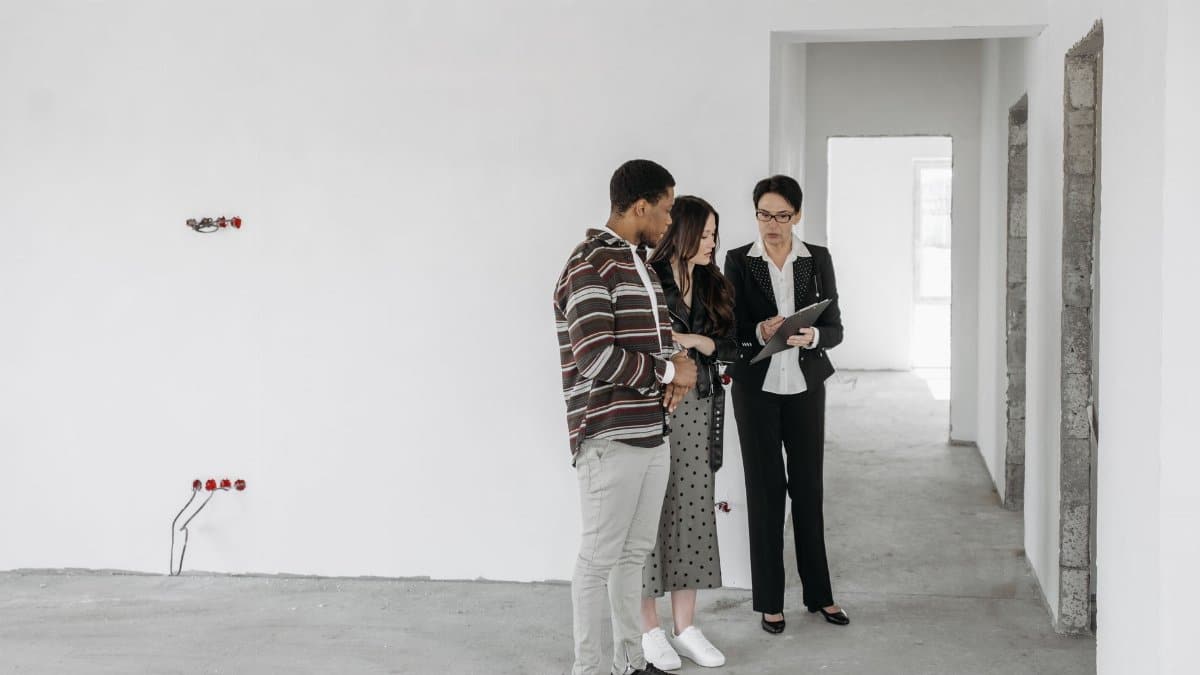
Owners must allow the installation unless clear electrical or structural hazards exist. They cannot charge extra fees solely for the presence of a portable unit. If a lease needs updating, both parties can negotiate terms that respect the new protections while covering insurance and removal at move out.
Potential Challenges in Older Buildings
Some apartments have limited outlets or outdated wiring that may not support heavy appliances. In these settings tenants and owners may need to discuss shared solutions such as shared cooling spaces or professional electrical assessments. The law encourages cooperation rather than confrontation on these points.
Broader Effects on Washington Housing
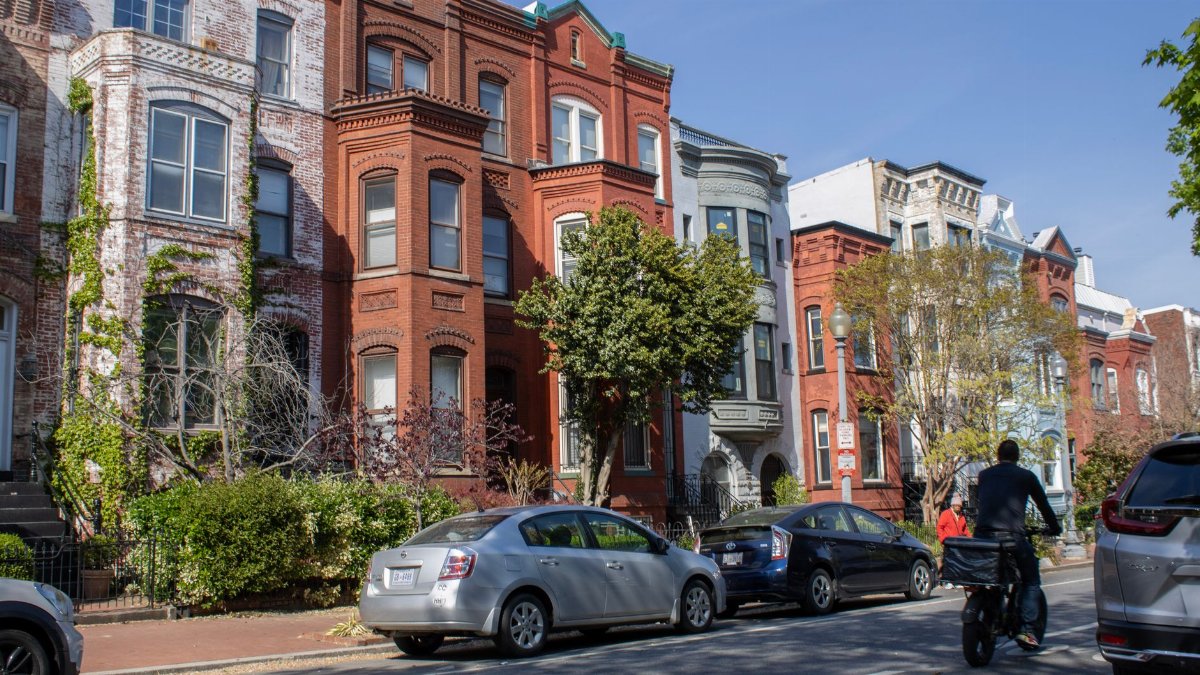
Rental markets in urban areas like Seattle and Spokane may see gradual shifts as cooling becomes more accessible. Property values could reflect improved habitability standards over time. Advocates expect similar policies to appear in neighboring states facing comparable climate trends.
Resources for Further Information

State housing offices provide guides that explain rights and sample notification letters. Local tenant unions offer workshops on navigating conversations with property managers. Checking county health department sites supplies details on heat safety and cooling assistance programs during summer months.