
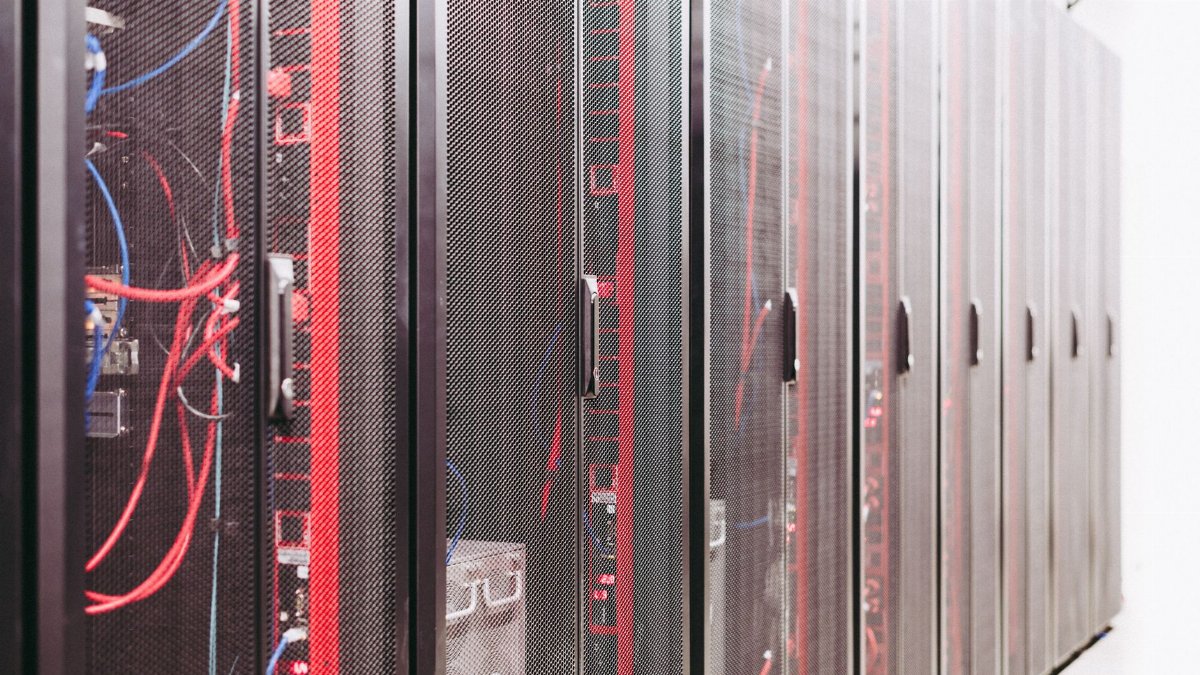
Across the vast plains of Texas residents have begun to question the unchecked growth of large facilities that support modern computing needs. These installations often referred to as Texas data centers draw enormous amounts of power and have sparked debates in local town halls about their place in the community. Officials now face pressure to balance technological progress with the needs of everyday citizens who worry about rising costs and strained resources.
Power Consumption Concerns Rise
Electricity grids across the state face mounting pressure as new facilities come online at a rapid pace. Reports indicate that some of these operations require as much energy as small cities which has led regulators to examine long term capacity issues. Lawmakers have started to review proposals that would require developers to submit detailed usage plans before construction begins.
Local Communities Express Opposition

Residents in several counties have organized meetings to voice their frustrations over noise traffic and visual changes to rural landscapes. Some groups have gathered signatures for petitions asking state leaders to pause approvals until further studies are completed. These efforts reflect a broader desire for more input on projects that affect daily life in significant ways.
State Officials Propose New Regulations
Governor and legislative committees have introduced measures aimed at curbing the pace of development for new installations. The Houston Chronicle recently detailed how some proposals include limits on locations near residential areas along with requirements for renewable energy commitments. Such steps mark a shift from earlier hands off approaches to growth in this sector.
Impact on Electricity Rates
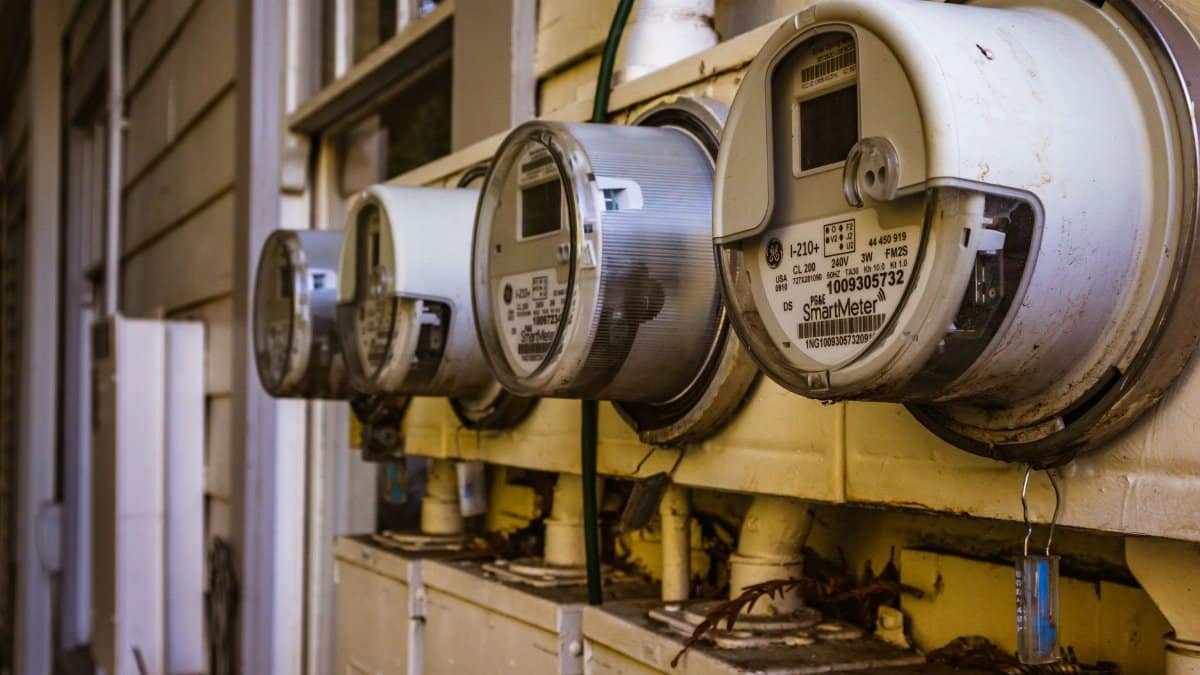
Utility providers have warned that increased demand could translate into higher bills for households and businesses alike. Analyses suggest that without careful planning the added load might force investments in new generation capacity which ultimately falls on consumers. Discussions in Austin have centered on ways to allocate costs more fairly among large users and the general public.
Environmental Considerations Emerge
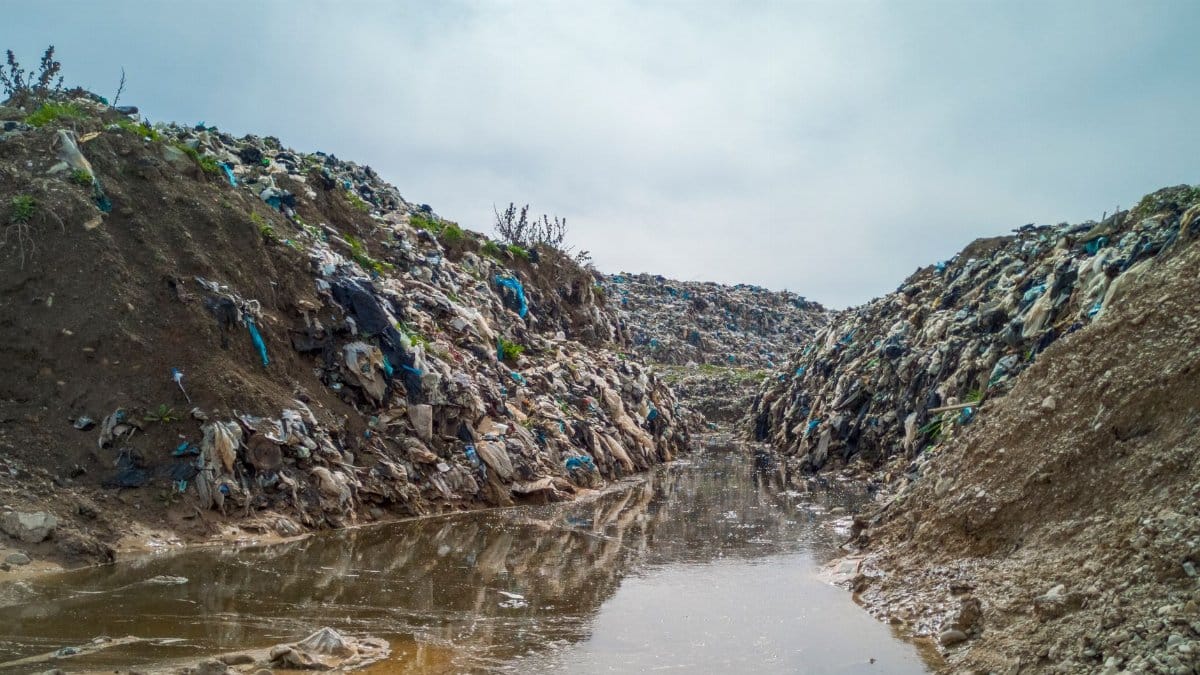
Advocates have highlighted potential effects on air quality and water resources tied to the cooling systems used in these facilities. While some companies have pledged to adopt greener practices skeptics call for independent verification of those claims. State agencies are now collecting data to better understand the full scope of ecological footprints involved.
Economic Benefits Weighed Against Costs

Proponents argue that Texas data centers bring jobs and tax revenue to regions that have struggled with economic stagnation. Yet critics point out that many positions require specialized skills not always available locally which can limit broader gains. Lawmakers continue to evaluate whether incentives offered to attract these projects deliver sufficient returns for taxpayers.
Future of Technology Infrastructure
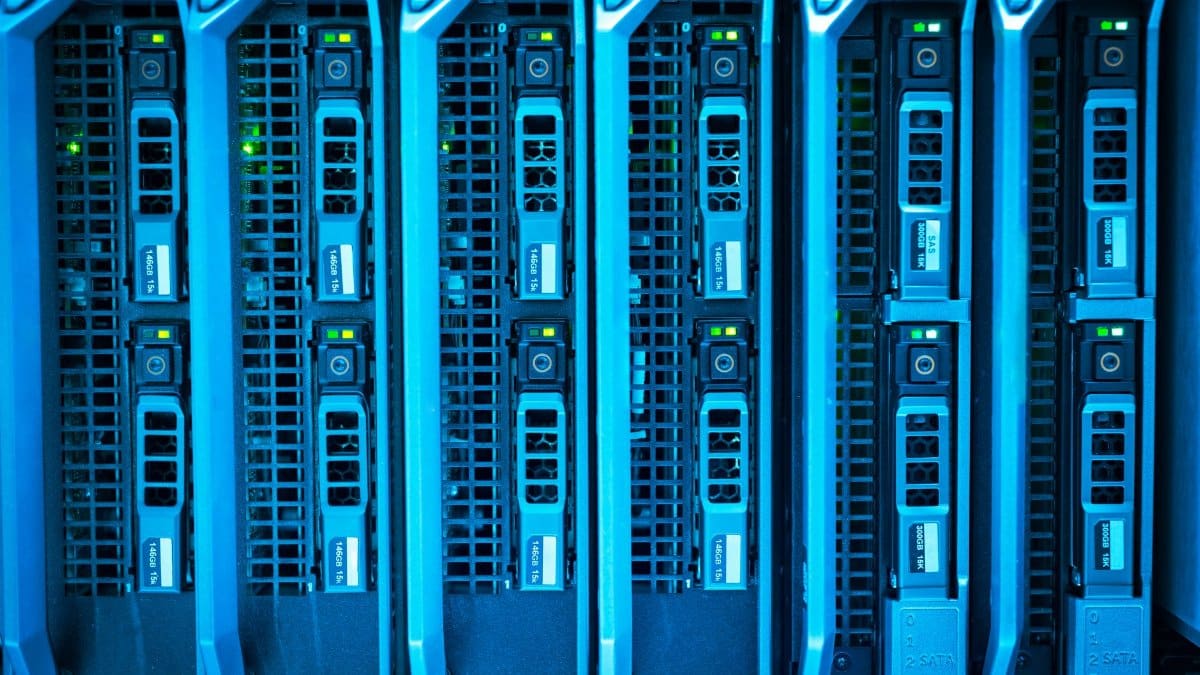
As demand for artificial intelligence applications grows the need for expanded computing capacity shows no sign of slowing. Texas leaders recognize that the state has become a hub due to its business friendly environment and available land. Still they acknowledge that sustainable expansion will require innovative solutions to avoid overburdening existing systems.
Calls for Sustainable Solutions
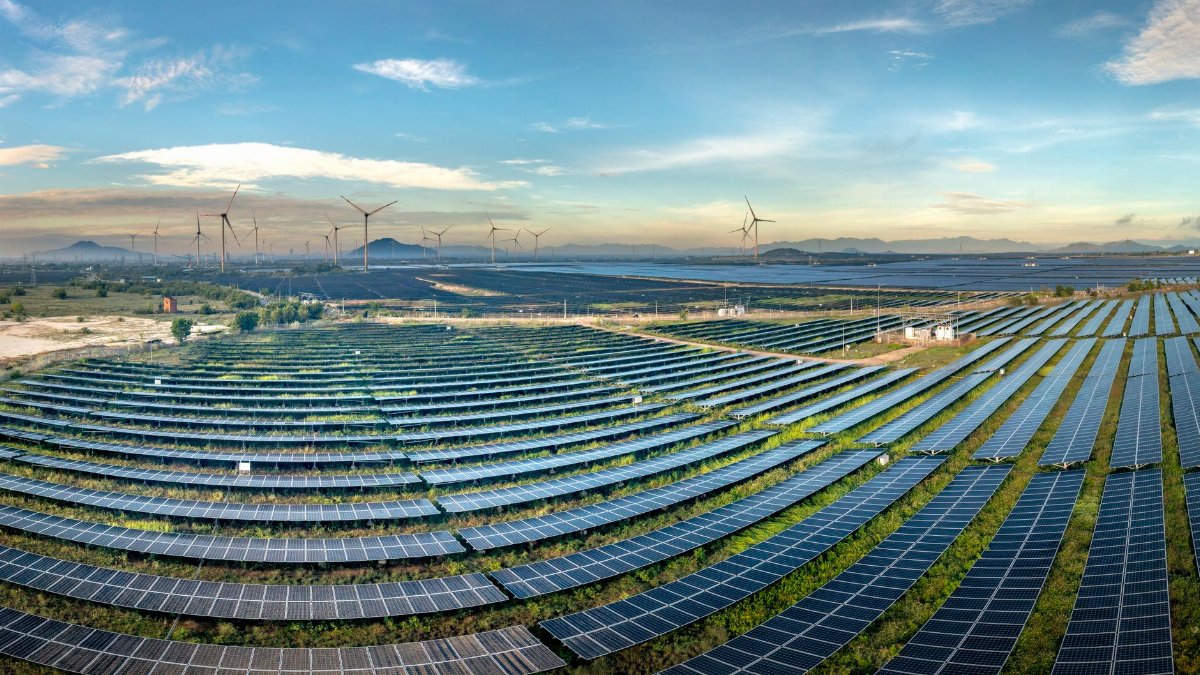
Experts have suggested partnerships between developers and energy firms to integrate solar or wind resources directly into operations. Some municipalities are exploring zoning changes that encourage facilities to locate in areas with excess power capacity. These conversations signal a maturing approach to managing growth while addressing public concerns over time.