
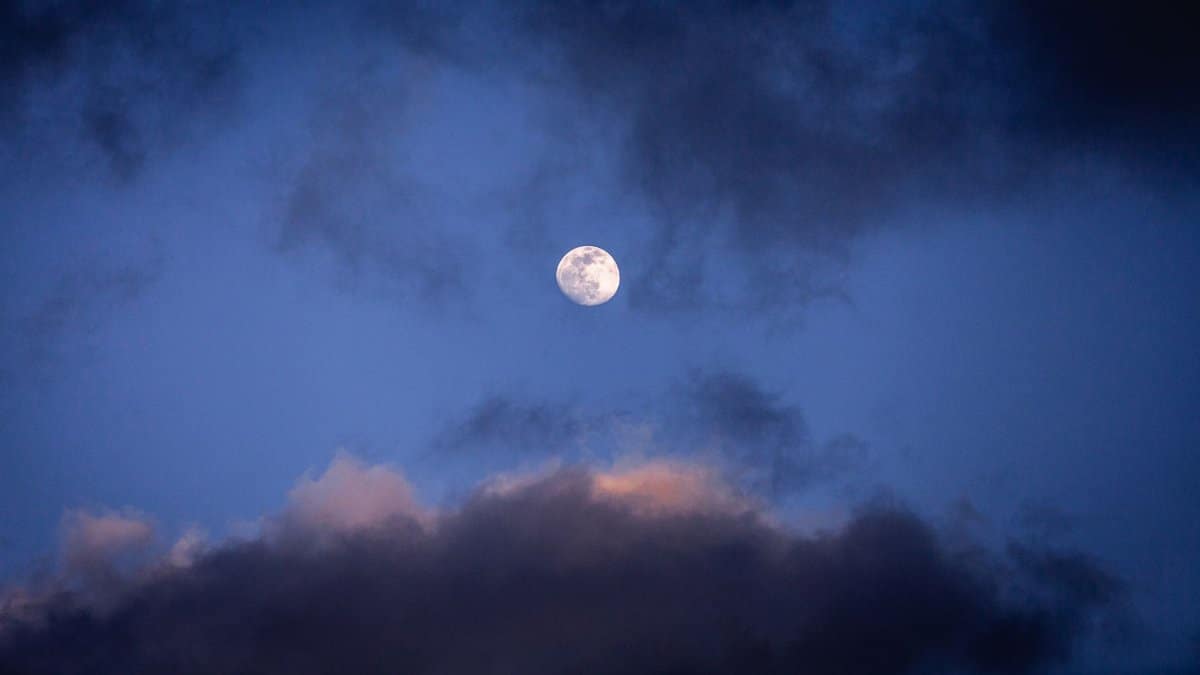
Summer evenings invite quiet moments under the open sky. People across the United States often find themselves drawn to the moon as it swells to its full phase each month. This year brings a special opportunity when the Buck Moon 2026 appears on the horizon. Observers in Arizona can expect excellent conditions for viewing this luminous event that coincides with the season of antler growth in deer populations. Clear skies and mild temperatures often enhance the experience for those who step outside after dusk.
The Meaning Behind the Buck Moon
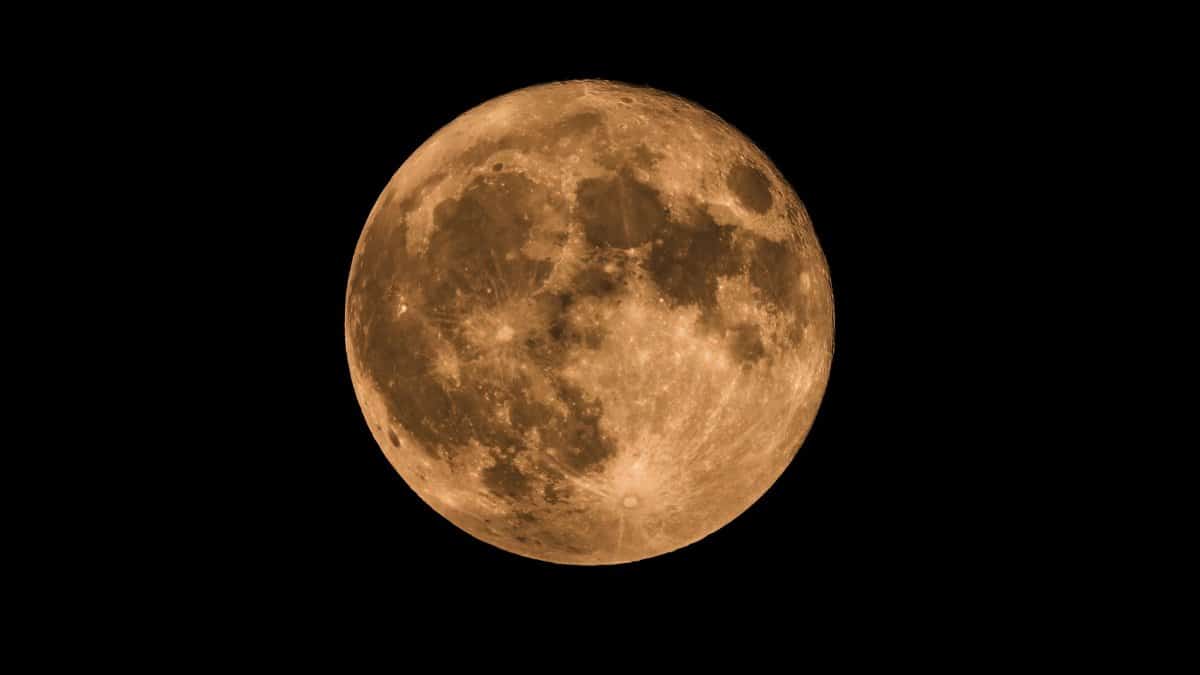
The term Buck Moon comes from observations of male deer developing new antlers during midsummer. Early Native American communities noted this pattern and passed the name through generations. It serves as a reminder of natural cycles that continue regardless of modern schedules. Astronomers confirm the association holds true as wildlife adapts to longer daylight hours.
Optimal Viewing Times Across the Country

The Buck Moon 2026 will reach its brightest point on July 29 2026. Residents in eastern states may see it rise shortly after sunset while western locations enjoy a slightly later display. Binoculars can reveal surface details though the naked eye suffices for most viewers. Light pollution in cities may require a short drive to darker areas for the best results.
Conditions Expected in Arizona
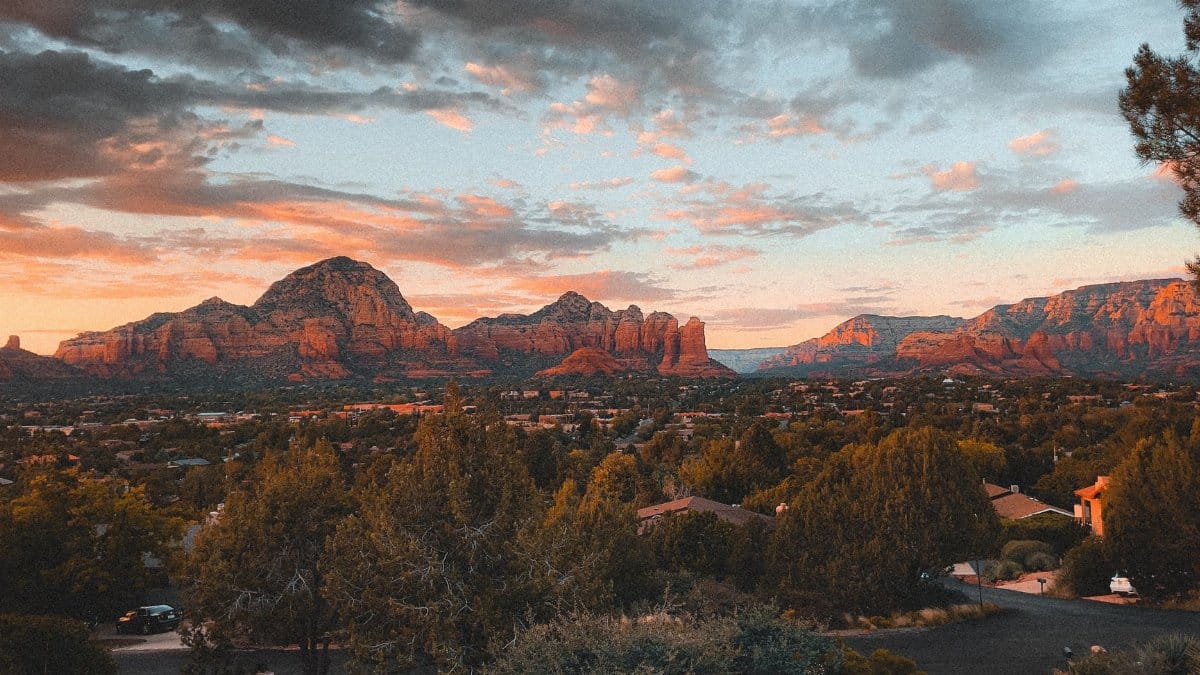
Desert regions in Arizona typically offer low humidity and minimal cloud cover during late July. This combination helps the moon stand out against the night sky. Local parks and open spaces away from Phoenix or Tucson provide convenient spots for extended observation. Temperatures drop comfortably after dark making outdoor time pleasant for families and individuals alike.
Historical Names for July Full Moons
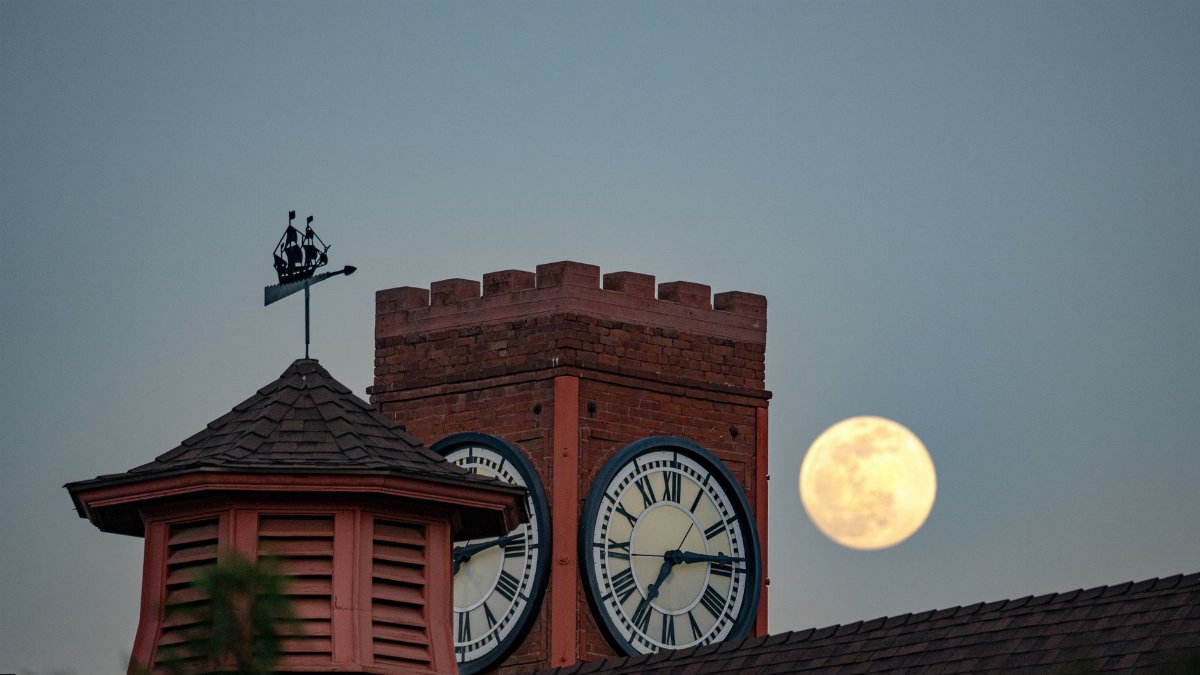
Many cultures assigned seasonal labels to full moons based on agriculture or animal behavior. European settlers adopted some indigenous terms while adding their own references to hay harvests or thunder. These names helped track time before printed calendars became common. The Buck Moon label persists today partly due to its vivid connection to summer wildlife.
How the Moon Affects Local Wildlife
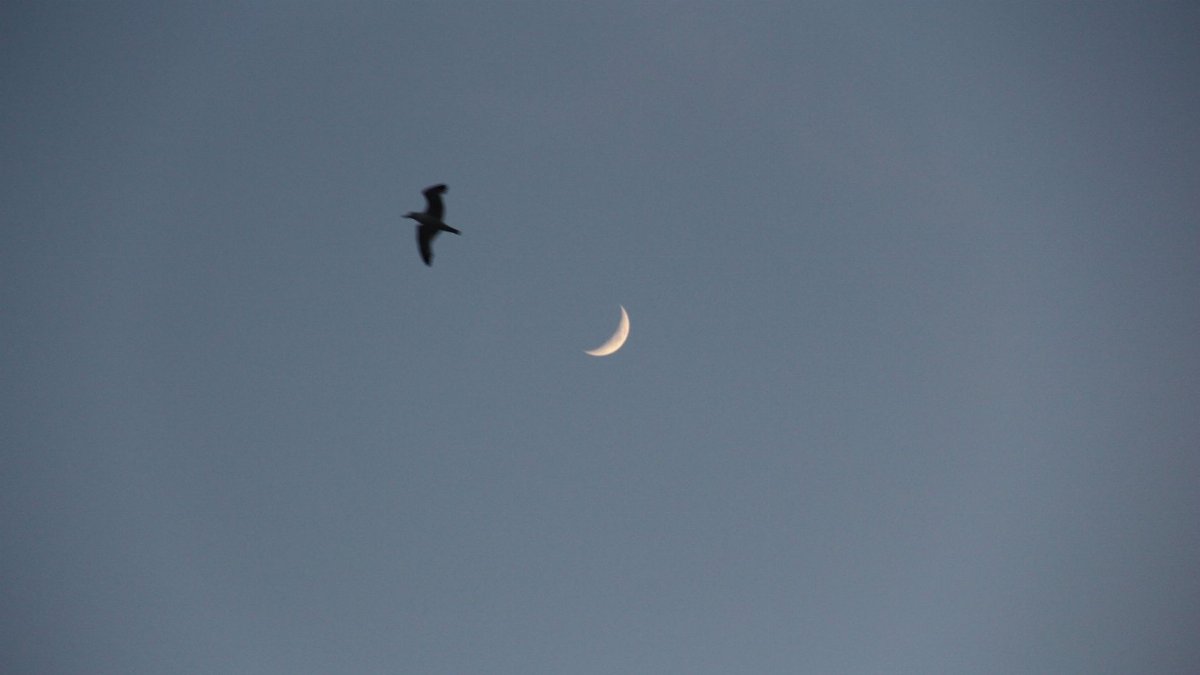
Brighter nights can influence feeding patterns among nocturnal animals. Deer may remain active longer searching for food under increased light. Birds adjust their calls and some fish species show altered movement near shorelines. Researchers continue to study these subtle shifts though direct links require careful long term monitoring.
Tips for Amateur Astronomers

Allow eyes to adjust to darkness for at least fifteen minutes before serious viewing. Choose a stable surface for any camera equipment to reduce shake. Check weather forecasts in advance since sudden clouds can obscure the event. Sharing the experience with others often leads to interesting conversations about seasonal changes.
Cultural Traditions Around Lunar Events

Some communities hold gatherings to mark full moons with stories or simple rituals. These events emphasize connection to the natural world rather than formal ceremonies. Modern participants might bring journals or sketch the moons appearance at different hours. Such practices foster appreciation without requiring specialized knowledge.
Preparing for Future Lunar Observations
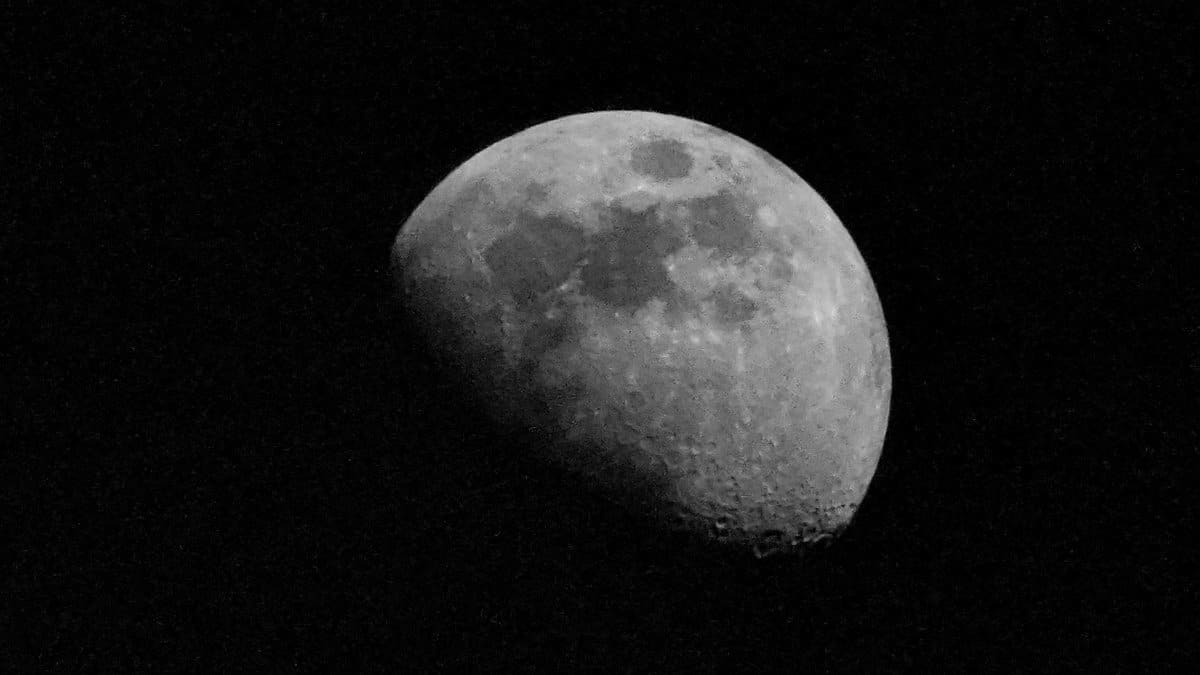
Marking dates like the Buck Moon 2026 on personal calendars helps maintain awareness of recurring sky events. Apps that track moon phases offer reminders though direct observation remains the most rewarding approach. Over time these habits build a deeper sense of place within larger cosmic patterns. Arizona residents in particular benefit from consistent clear weather throughout much of the year.