
In a packed community hall near Fort Myers, local residents recently gathered to question how their region could sustain the infrastructure demands of expanding technology projects. The meeting grew heated as speakers raised alarms about electricity grids and water supplies already stretched thin in the state. U.S. Rep. Byron Donalds has emerged as a vocal backer of these developments, drawing attention from critics who see his stance as out of step with community priorities. The debate centers on AI data centers Florida and the broader push to accommodate artificial intelligence growth.
Power Grid Strains Multiply
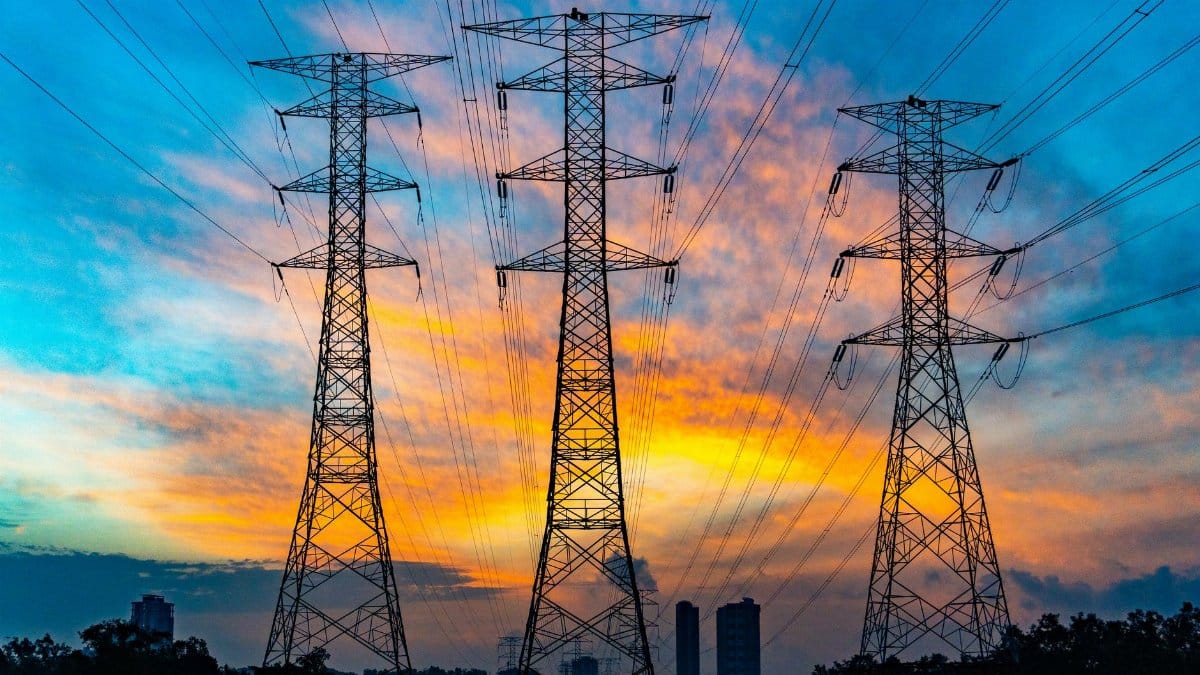
Florida utilities have reported sharp increases in projected electricity needs tied to large computing facilities. These installations require constant cooling and processing capacity that exceeds typical commercial loads. State regulators now review proposals that could add thousands of megawatts to the system within a few years. Officials note that older plants may need upgrades or replacements to avoid shortages during peak summer months. Lawmakers have begun hearings to examine whether current planning processes can keep pace with the speed of private investment in this sector.
Water Supply Questions Surface

Many proposed sites sit in areas where aquifers already face pressure from agriculture and population growth. Data centers use large volumes of water for evaporative cooling systems that prevent equipment from overheating. Environmental groups have submitted comments to local boards warning that permits could affect residential wells and nearby wetlands. Utility managers counter that recycled water sources and efficiency measures can limit new withdrawals. The discussion continues in county commission sessions across central and southern regions of the state.
Donalds Stance Draws Scrutiny

The congressman has highlighted job creation and tax revenue as reasons to welcome the facilities. In public statements he has pointed to partnerships between technology firms and local economic development agencies. Opponents argue that the benefits may not reach working families facing higher utility bills. Rivals in the coming election cycle have used the issue to question his priorities on long term resource management. Campaign finance records show contributions from companies active in the data center sector.
Local Protests Gain Momentum
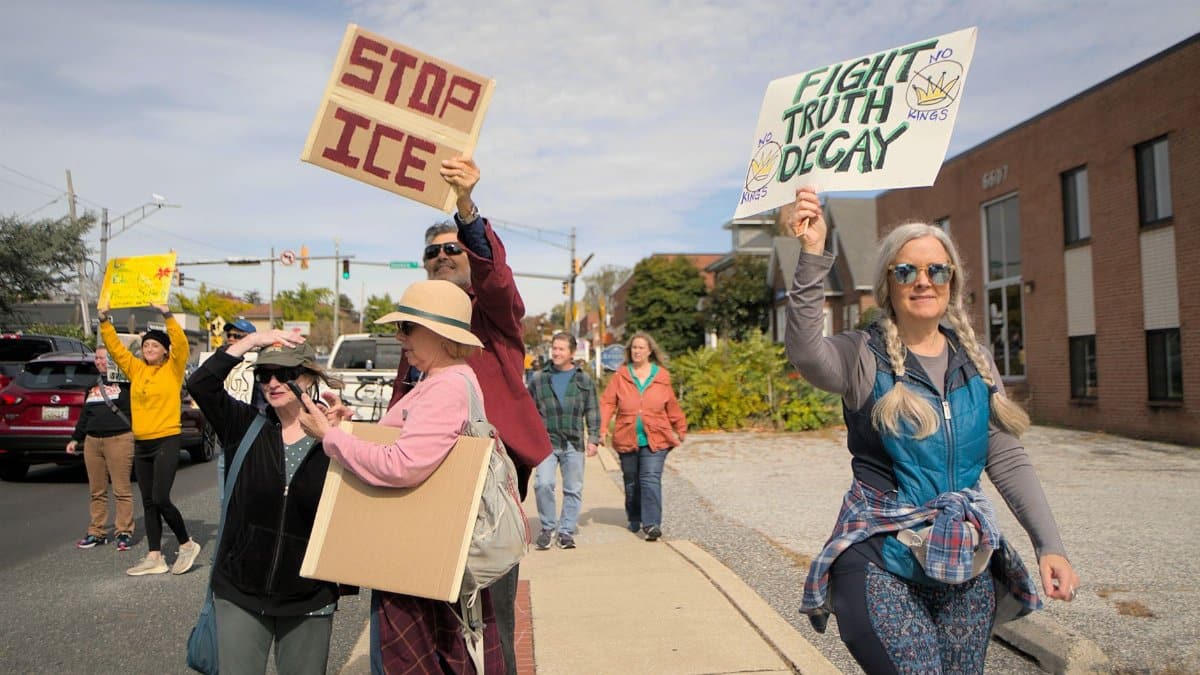
Residents in several counties have formed coalitions that organize petition drives and attend zoning meetings. Signs along rural roads urge officials to slow approvals until independent studies address cumulative impacts. Some participants describe watching similar projects in other states lead to unexpected cost overruns for taxpayers. Turnout at recent forums has exceeded expectations, with organizers crediting social media for spreading details about scheduled hearings.
Economic Claims Face Review

Proponents cite construction employment and ongoing maintenance roles as immediate gains for communities. Yet independent economists caution that automation in facility operations may limit the number of permanent positions. Property tax agreements negotiated with developers sometimes include abatements that shift burdens to other landowners. State revenue forecasts now include scenarios that factor in both direct payments and potential infrastructure subsidies.
Energy Policy Choices Emerge
Florida statutes currently treat data centers under general commercial categories without special efficiency mandates. Proposals in the legislature would require new facilities to meet higher standards for renewable energy purchases. Advocates for tighter rules point to grid reliability reports that flag risks during extreme weather events. Industry representatives respond that flexible standards encourage faster deployment while still allowing voluntary sustainability commitments.
Comparisons With Other States

Virginia and Texas have attracted clusters of similar installations, leading to public debates over land use and transmission lines. Florida officials have studied those examples when drafting siting guidelines. Differences in water availability and hurricane preparedness add unique considerations for projects along the Gulf and Atlantic coasts. Policy analysts continue to track how regulatory timelines in competing states influence corporate decisions on where to expand next.
Future Growth Patterns

Market projections indicate continued demand for computing capacity as artificial intelligence applications spread across industries. Florida leaders weigh whether to steer new construction toward existing industrial zones or allow scattered development. Transportation and housing planners have begun modeling secondary effects on roads and schools near candidate sites. The outcome of upcoming regulatory decisions will shape the physical footprint of this technology wave across the peninsula.