
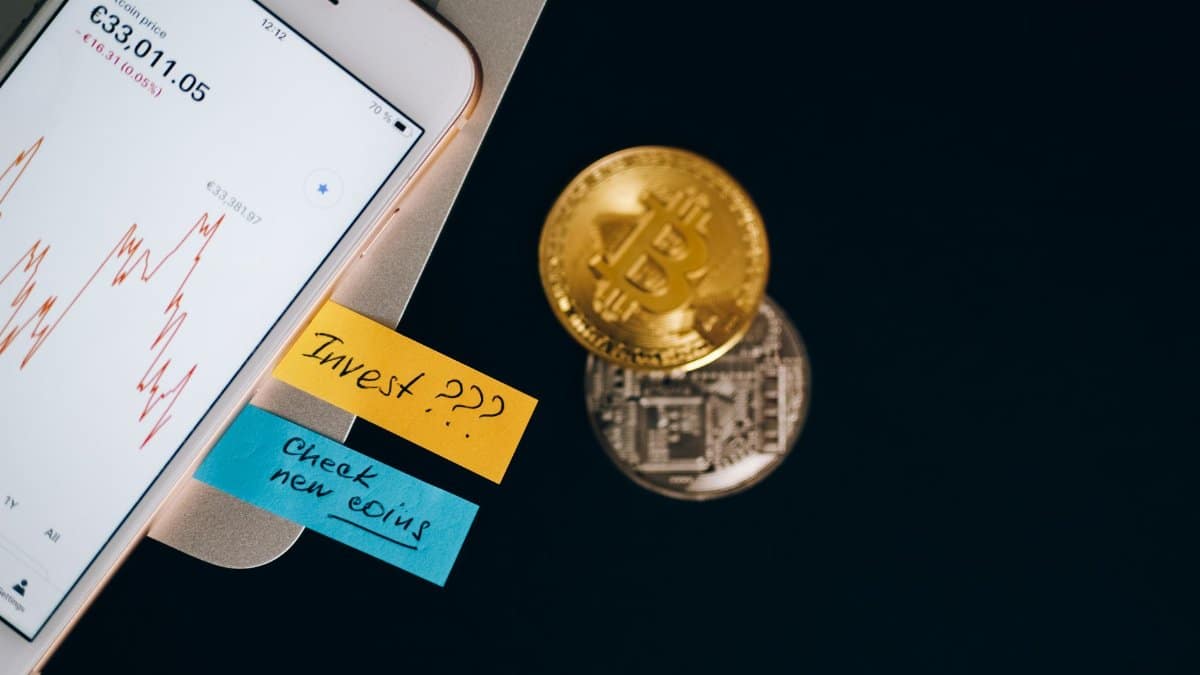
In times of shifting financial landscapes many turn toward assets perceived as reliable stores of value. Gold prices jumped 3.63 percent on July 22, 2026, reaching $4,156.99 per ounce amid economic uncertainty. Observers noted how this movement reflected broader concerns over inflation trends and policy shifts that have unsettled traditional markets. Middle aged investors in particular appeared drawn to the metal as a way to safeguard savings against volatility that has characterized recent years. The increase came as various indicators pointed toward slower growth in major economies prompting fresh interest in commodities with historical appeal during unsettled periods.
Investor Sentiment Shifts Toward Precious Metals
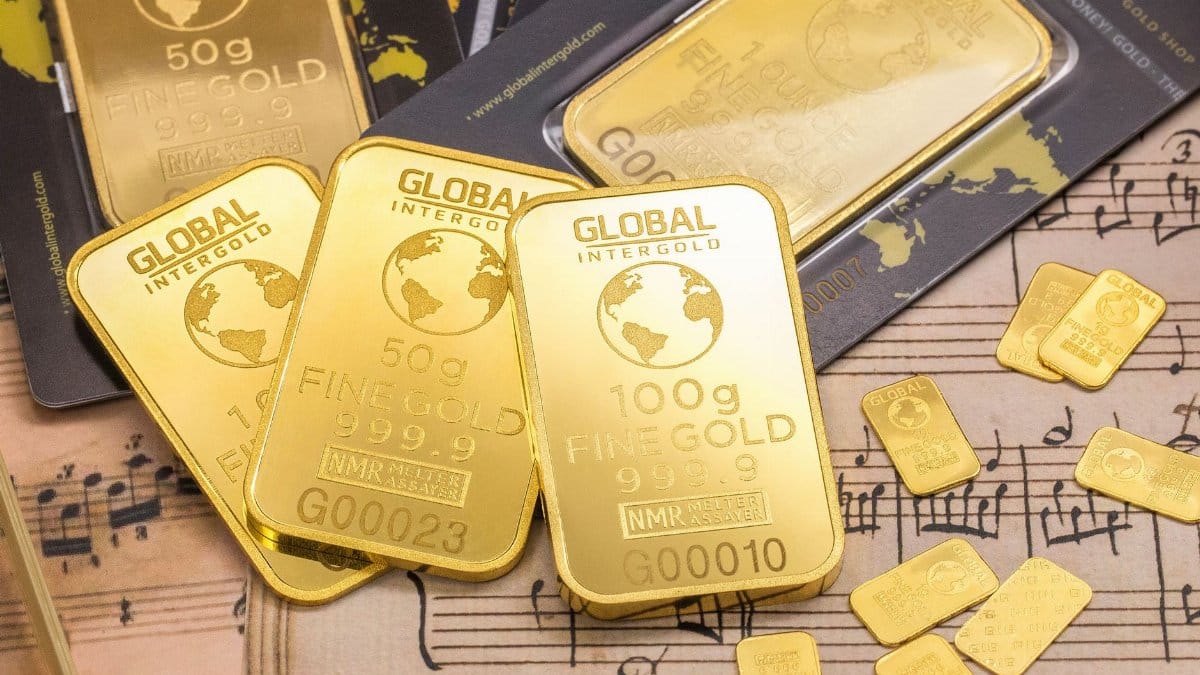
Many individuals approaching retirement have begun reviewing portfolios with greater caution. Data from trading platforms showed heightened activity in gold related funds as participants sought protection from potential downturns. This pattern echoes earlier episodes where similar conditions led to sustained interest in tangible assets over equities or bonds. Analysts suggest the recent price action may encourage further reallocations in coming months.
Supply Constraints Influence Pricing Dynamics

Mining operations worldwide continue to face challenges from regulatory hurdles and environmental reviews that slow new production. Existing reserves have not kept pace with demand from industrial users and jewelry makers in emerging regions. Such imbalances often amplify price responses when external pressures arise leaving markets more sensitive to news of any scale.
Central Bank Purchases Add Momentum
Several governments have increased holdings of gold in official reserves over the past year as a hedge against currency fluctuations. These large scale acquisitions remove available supply from commercial channels and support higher valuations. Observers expect this trend to persist given ongoing debates about reserve diversification strategies.
Historical Patterns Offer Perspective on Current Moves

Price records from past decades reveal recurring spikes during periods marked by geopolitical tension or monetary easing. While each episode carries unique elements the overall trajectory shows gold maintaining relevance across generations of savers. Comparisons to earlier rallies help frame expectations without guaranteeing future outcomes.
Retail Demand Reflects Personal Financial Planning

Households have shown growing interest in physical gold products such as coins and bars through established dealers. This activity often rises when media coverage highlights economic indicators that suggest instability ahead. Advisors recommend measured approaches rather than abrupt changes to established strategies.
Technological Uses Expand Industrial Consumption

Beyond investment roles gold plays a part in electronics manufacturing and medical applications where its conductive properties prove valuable. Growth in these sectors contributes steady baseline demand that interacts with investment flows during uncertain intervals. Innovations in green energy components may further support this side of the market.
Currency Movements Shape Global Accessibility
Fluctuations in major exchange rates affect how different regions experience gold valuations. A stronger domestic currency can make imports appear more expensive while weaker ones heighten appeal for local buyers. These interactions create layered effects across international trading centers.
Future Outlook Depends on Policy Developments

Upcoming decisions from monetary authorities will likely determine whether the recent advance extends or moderates. Market participants watch inflation readings and interest rate signals closely for clues about sustained direction. Balanced portfolios remain a common recommendation among professionals who stress diversification over concentration in any single asset class.