
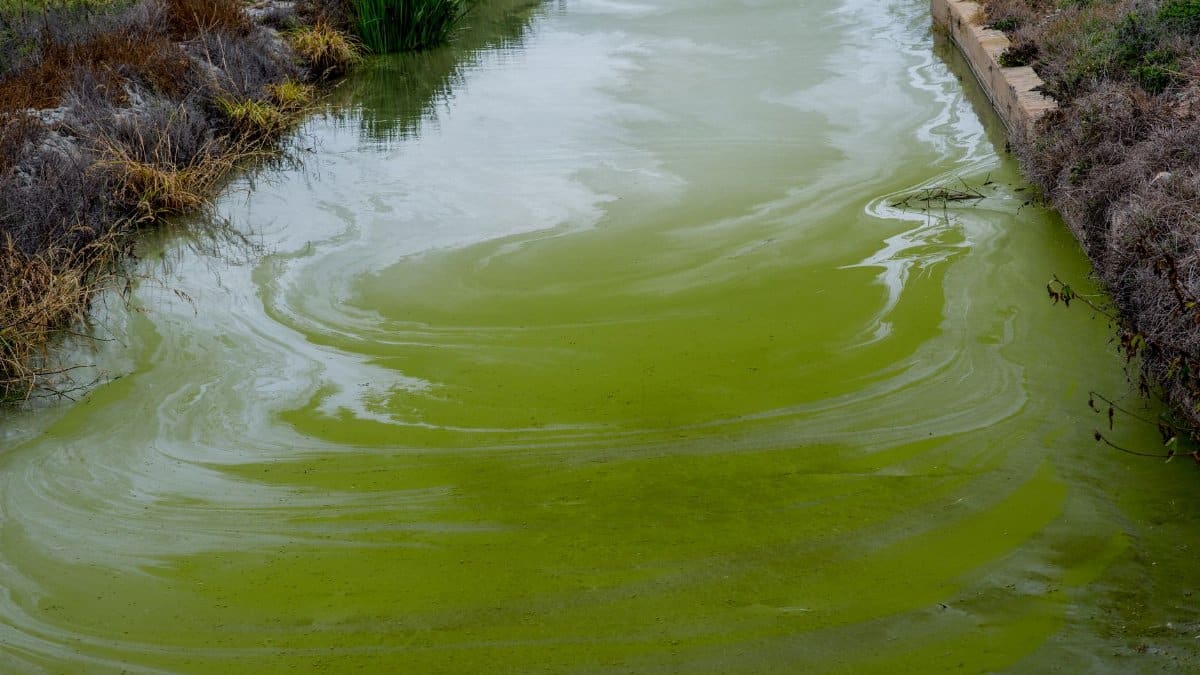
People who enjoy outdoor activities at a local water supply are facing new restrictions this summer because of concerns over Duckett Reservoir algae. Officials have issued warnings after detecting elevated levels of potentially harmful organisms in the water. This situation highlights ongoing challenges with water management in growing suburban areas. The advisory comes at a time when many families plan visits to lakes and reservoirs for cooling off during warm months. Experts note that such blooms can appear suddenly and affect both the environment and human health in various ways. Monitoring efforts continue as authorities assess the extent of the issue and its potential duration.
Issuance of the Current Health Advisory

WSSC Water released details on the advisory after tests confirmed the presence of blue green algae at concerning levels. The notice urges visitors to avoid swimming or other direct contact while allowing drinking water supplies to remain unaffected. Local residents received notifications through various channels to ensure broad awareness.
Recreational Impacts on Visitors

Boating and fishing continue under limits but many families have altered their plans to steer clear of the water. Park areas around the reservoir see fewer crowds as word spreads about the advisory. Officials encourage alternative sites for summer outings.
Role of Weather in Bloom Formation
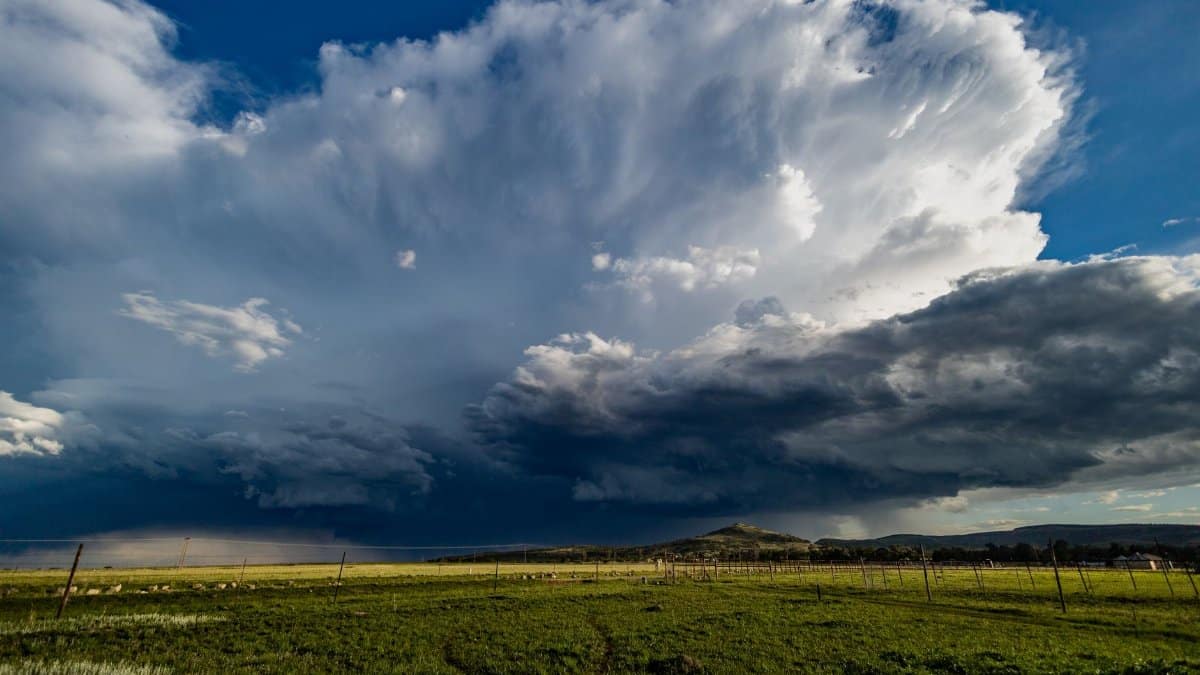
Warm temperatures combined with recent rainfall patterns contribute to conditions that favor algae growth. Nutrient runoff from surrounding lands feeds the organisms leading to rapid expansion. Such environmental factors are monitored year round to anticipate future events.
Distinction Between Drinking and Contact Uses

Treatment processes protect the water supply for household consumption even as surface conditions raise flags for recreation. Tests focus on separate aspects to maintain safety across different uses. This separation helps explain why the advisory targets only certain activities.
Community Reactions and Adjustments

Neighbors express frustration over lost access to a familiar spot yet appreciate the prompt communication from water authorities. Some organize group discussions on ways to support cleaner waterways in the region. Local businesses note shifts in visitor patterns during the advisory period.
Scientific Monitoring Techniques Employed

Regular sampling and lab analysis form the basis for decisions on advisories and their lifting. Data collection helps track changes over time and informs responses to similar situations elsewhere. Collaboration with state agencies strengthens these efforts.
Longer Term Environmental Considerations

Addressing nutrient sources in the watershed represents a key step toward reducing bloom frequency. Education campaigns aim to involve property owners in practices that limit runoff. Ongoing research supports better prediction and management strategies.
Comparison With Past Incidents

Similar events in other regional waters provide context for current responses and lessons learned. Patterns emerge that guide improved protocols over successive seasons. Records show variability in bloom intensity depending on multiple influences.