
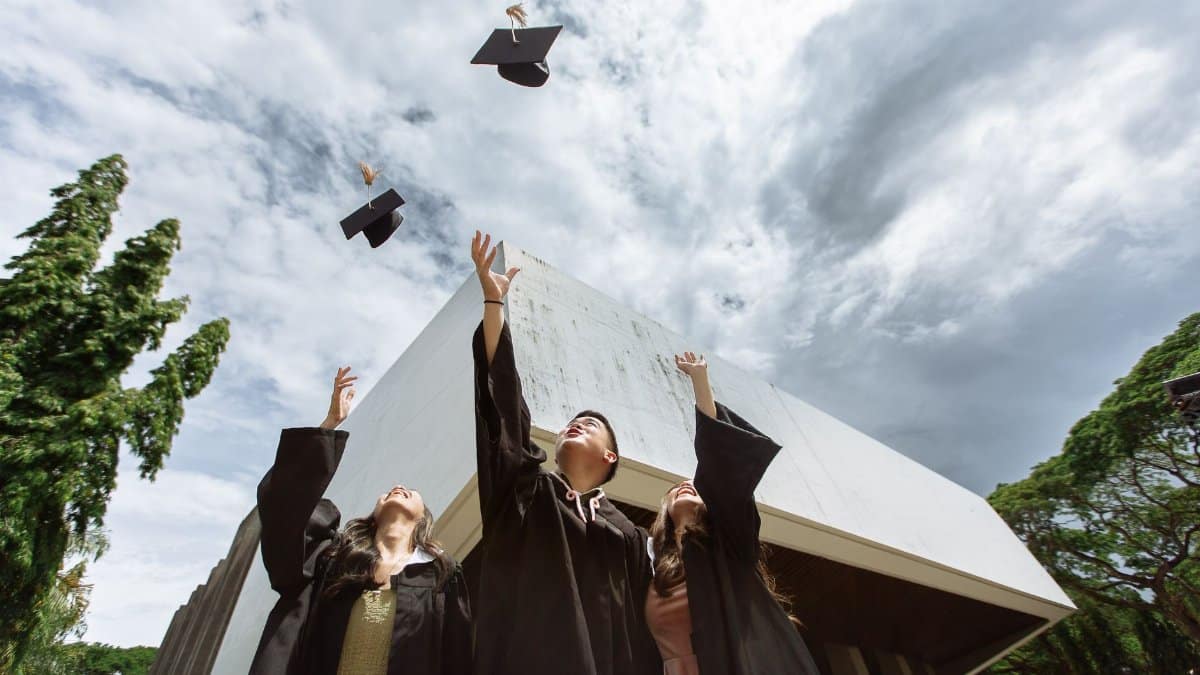
A federal policy change now restricts how long international scholars can remain in the United States on student status, forcing many California institutions to rethink recruitment and program design. Campus leaders report sudden adjustments in advising sessions while families overseas weigh whether extended degree paths remain viable. The measure targets foreign student visas directly and has prompted urgent meetings among administrators who must balance enrollment goals with compliance demands.
Effects on Degree Completion Timelines
Many graduate programs in engineering and the sciences traditionally require five or six years for doctoral work. With the new cap in place students face pressure to accelerate research or switch to shorter masters tracks. Faculty members describe revisions to dissertation expectations and more frequent progress reviews to keep candidates on schedule.
Shifts in California Campus Recruitment
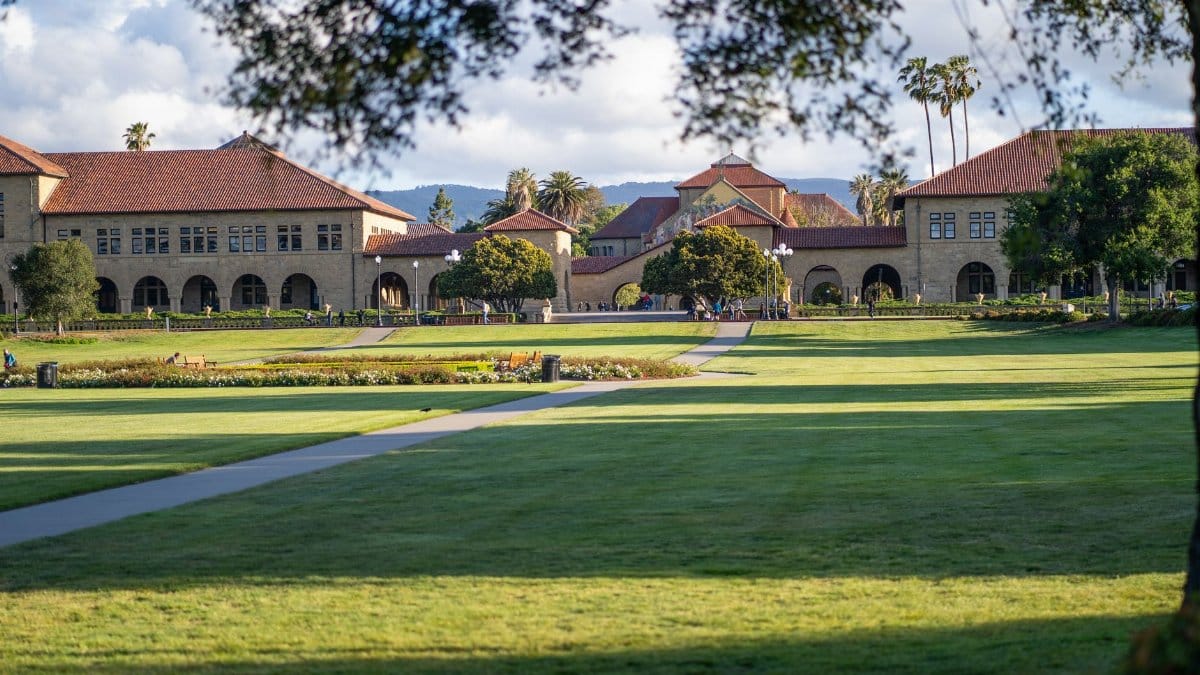
Admissions offices have begun highlighting four year pathways in their outreach materials. Some universities promote combined degree options that allow faster entry into the workforce. International offices note increased questions from applicants concerned about completing requirements before their authorized stay ends.
Reactions from Student Support Services
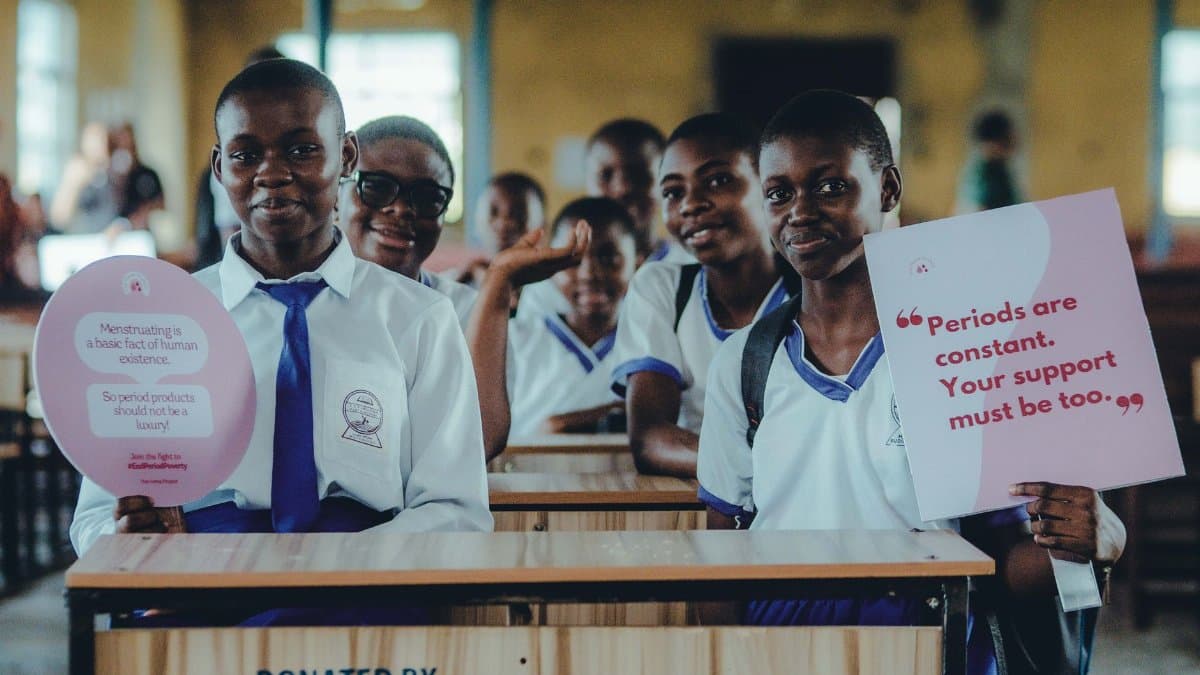
Counseling centers report rising anxiety among current visa holders who worry about abrupt departures. Workshops now focus on time management strategies and alternative funding sources that align with compressed schedules. Peer networks have formed to share practical tips for navigating the revised rules.
Broader Enrollment Patterns Across the State
Preliminary data suggest a possible decline in applications from regions where students typically pursue lengthy research degrees. Community colleges that feed into four year institutions may see renewed interest as stepping stones. Private universities weigh whether to expand online options that do not require physical presence beyond the limit.
Faculty Perspectives on Research Continuity

Professors express concern that abrupt cutoffs could interrupt ongoing laboratory projects reliant on skilled international team members. Grant proposals now include contingency plans for personnel transitions. Some departments explore partnerships with overseas labs to maintain momentum when scholars must return home.
Policy Comparisons with Earlier Frameworks

Previous guidelines allowed more flexibility for students in fields with extended training periods. The current approach aligns student stays more closely with standard undergraduate cycles. Observers note that similar duration rules have existed in other visa categories for years.
Economic Implications for Local Communities

International students contribute to regional economies through housing, dining, and part time work. A shorter average stay may reduce overall spending in college towns. Business owners who cater to campus populations monitor enrollment trends closely for signs of change.
Future Adjustments and Advocacy Efforts

University associations have begun discussions with federal agencies about possible extensions for certain disciplines. Petitions circulate among alumni networks urging reconsideration of the uniform four year structure. Lawmakers in Sacramento weigh state level responses that could offset some federal constraints.