
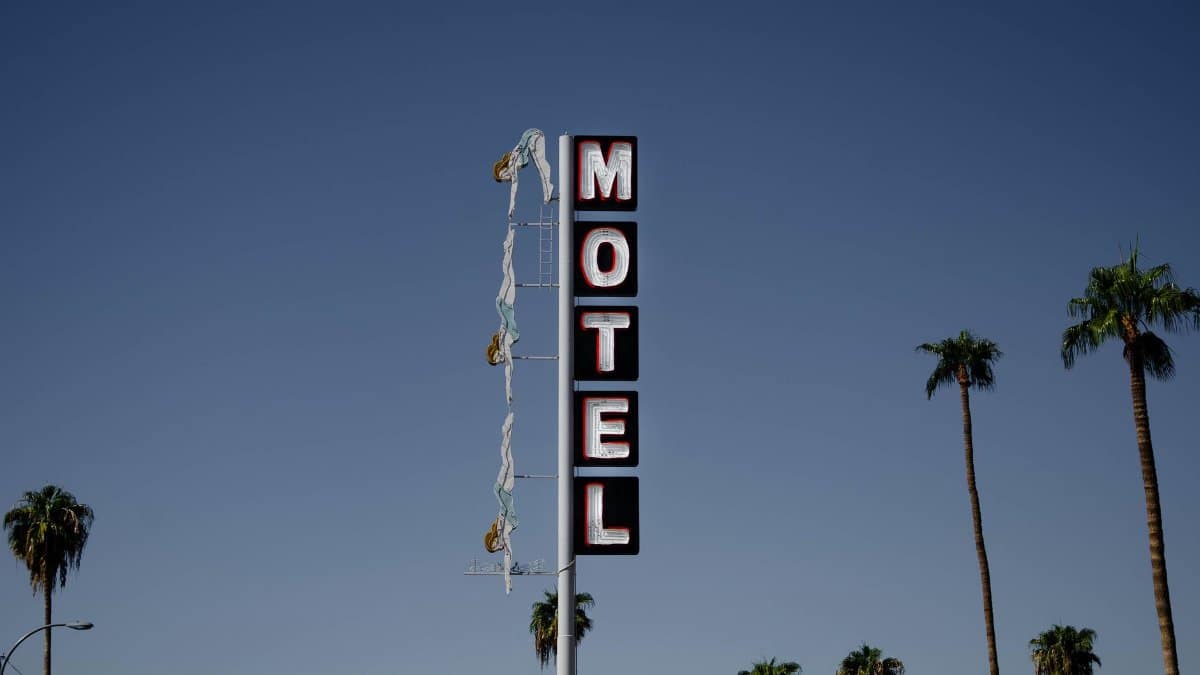
For decades California travelers along the central coast have paused at a cheerful yellow building promising hearty meals and a touch of whimsy. That spot was Pea Soup Andersen’s a landmark that once drew families from every corner of the state. Its story now ends not with celebration but with the quiet aftermath of theft and destruction that left little choice but demolition.
Roots of a roadside legend

The restaurant began in the nineteen twenties when a Danish immigrant named Anton Andersen opened a small eatery in Buellton. He built his reputation on split pea soup served in generous portions. Over time the simple dish became the heart of a growing business that welcomed generations of highway travelers seeking a reliable stop.
Expansion and cultural reach

By the middle of the century the operation had grown into a full service destination complete with motels gift shops and even cartoon characters that entertained children. Pea Soup Andersen’s appeared in magazines and on postcards as a cheerful emblem of California road travel. Its visibility stretched far beyond the local community.
Signs of trouble before closure

Changing travel patterns and rising costs began to strain the business in recent years. Fewer families chose to linger at classic stops when faster chains lined the freeways. Management attempted updates yet the original charm proved difficult to preserve under new economic pressures.
The final months of operation

In twenty twenty four the owners announced they would close the doors for good. Regular customers expressed sadness at the loss of a place tied to family traditions. Some drove long distances for one last bowl of soup before the lights went out.
Vandalism strikes an empty shell
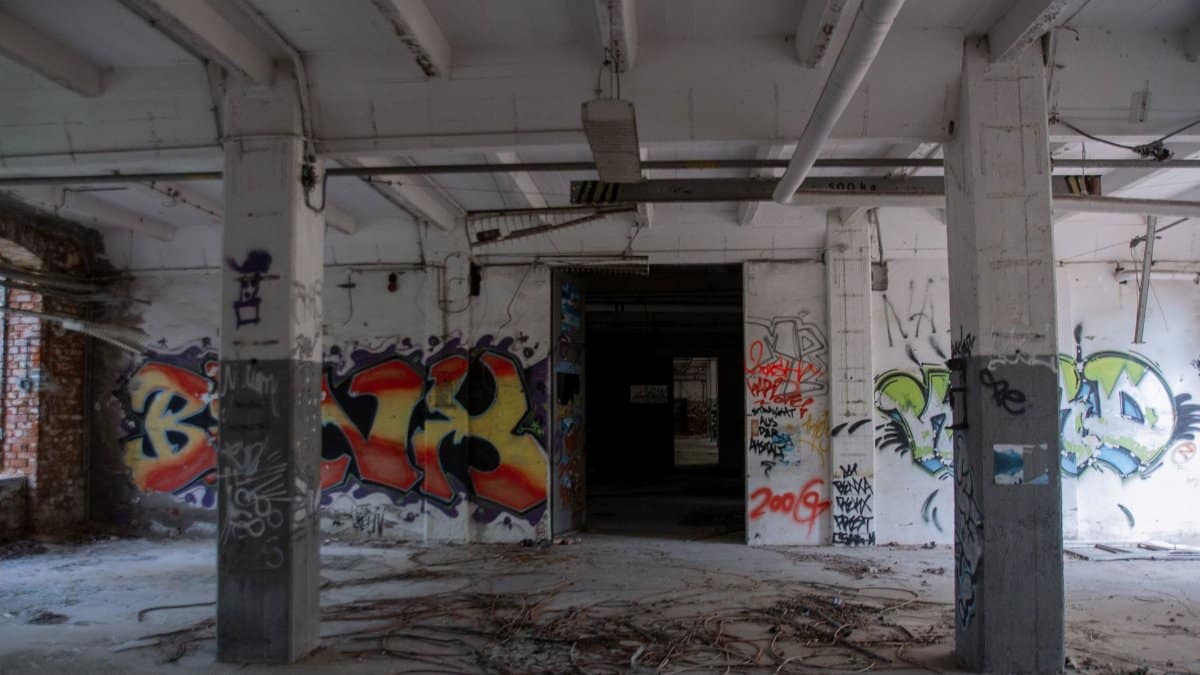
Soon after the shutdown intruders stripped wiring and fixtures from the vacant structure. Copper theft left gaping holes in walls and ceilings. Broken windows and graffiti marked the once welcoming entrance turning a proud building into an eyesore almost overnight.
Decision to clear the site

City officials and property owners weighed repair costs against the reality of repeated break ins. Safety concerns and the expense of ongoing security made continued preservation impractical. Demolition emerged as the only remaining option that protected the surrounding area.
Community memories surface

Longtime residents shared stories of first dates graduation dinners and cross country trips that always included a stop at Pea Soup Andersen’s. Local historians noted how the restaurant reflected broader patterns of American roadside culture that flourished after the second world war.
Broader losses along old highways

Similar landmarks across the state have faced parallel fates as traffic shifts to newer routes. The disappearance of these gathering points leaves gaps in the shared landscape. Travelers now pass anonymous exits without the familiar names that once gave journeys a sense of place.
Lessons on preservation and neglect
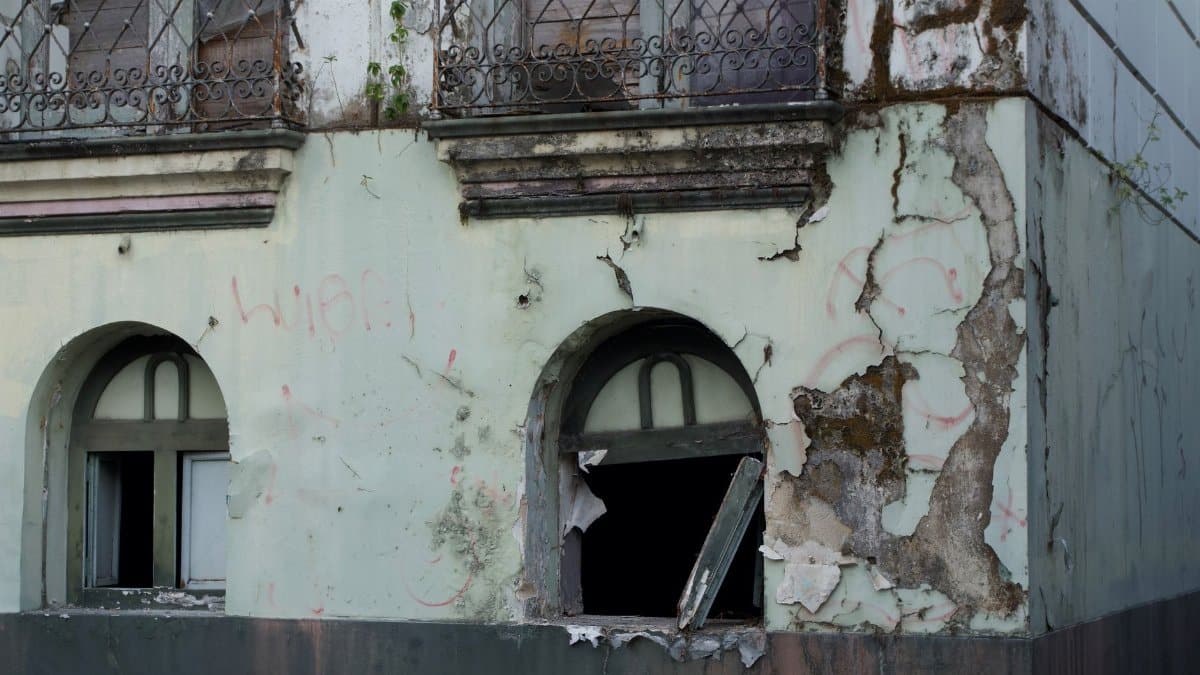
The episode at Pea Soup Andersen’s illustrates how quickly an empty property can fall victim to opportunistic damage. Communities that value historic sites must plan for protection long before closure becomes inevitable. Without such foresight even beloved institutions can vanish within months.
What remains after the wrecking crews

Photographs and oral histories now serve as the primary record of the restaurant. A few artifacts may find homes in regional museums yet the physical structure itself will soon exist only in recollection. The yellow building that once signaled comfort to weary drivers will join the growing list of vanished California icons.