
In the northern reaches of the country farmers have long faced the challenge of producing flavorful tomatoes despite cool temperatures and brief summers. Many varieties fail to ripen fully or deliver the taste consumers expect. Now a new option from university researchers is generating interest among growers who want reliable results in such conditions. The Husky tomato stands out for its ability to set fruit even when nights remain chilly. Early trials suggest it could reshape what is possible in regions once considered marginal for this crop. Observers compare its potential impact to that of a celebrated apple developed decades ago which expanded orchards across similar latitudes.
Breeding Efforts Behind the Variety

University of Minnesota scientists spent years selecting plants that performed well in local trials. They focused on traits such as early maturity and resistance to common diseases. The resulting plants produce medium sized fruit with a balanced flavor profile that appeals to fresh market buyers. Growers report fewer losses from blossom end issues compared with older types. This work builds on decades of public breeding aimed at supporting agriculture in colder zones.
Comparison to Past Success Stories

The Honeycrisp apple transformed commercial orchards in the upper middle west by offering crisp texture and storage life that earlier varieties lacked. Similar hopes surround the Husky tomato for vegetable producers. Both crops emerged from the same institution and addressed parallel limitations in climate and season length. If adoption follows a comparable path the new tomato could appear in more grocery stores and farm stands across northern states.
Performance in Field Conditions
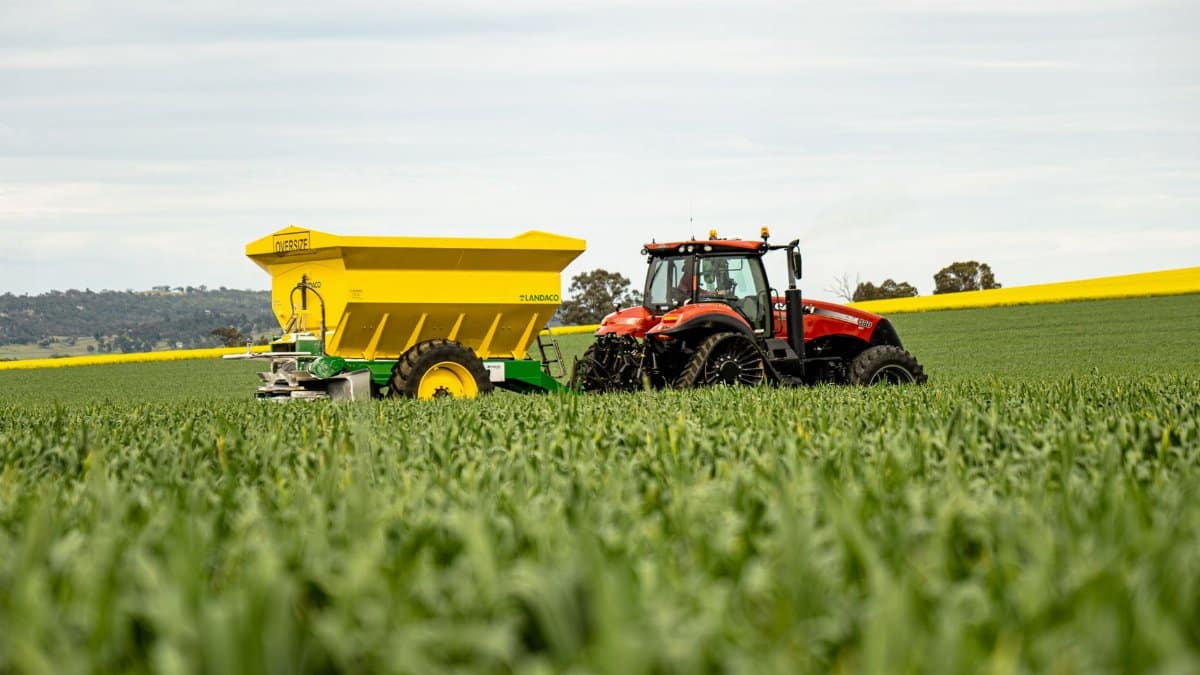
Test plots showed steady yields even during seasons with unexpected frost events. The compact growth habit allows denser planting which helps maximize output on smaller acreage. Fruit ripens uniformly which reduces labor costs at harvest time. Several commercial operations have begun limited production to gauge market response.
Market Potential for Growers
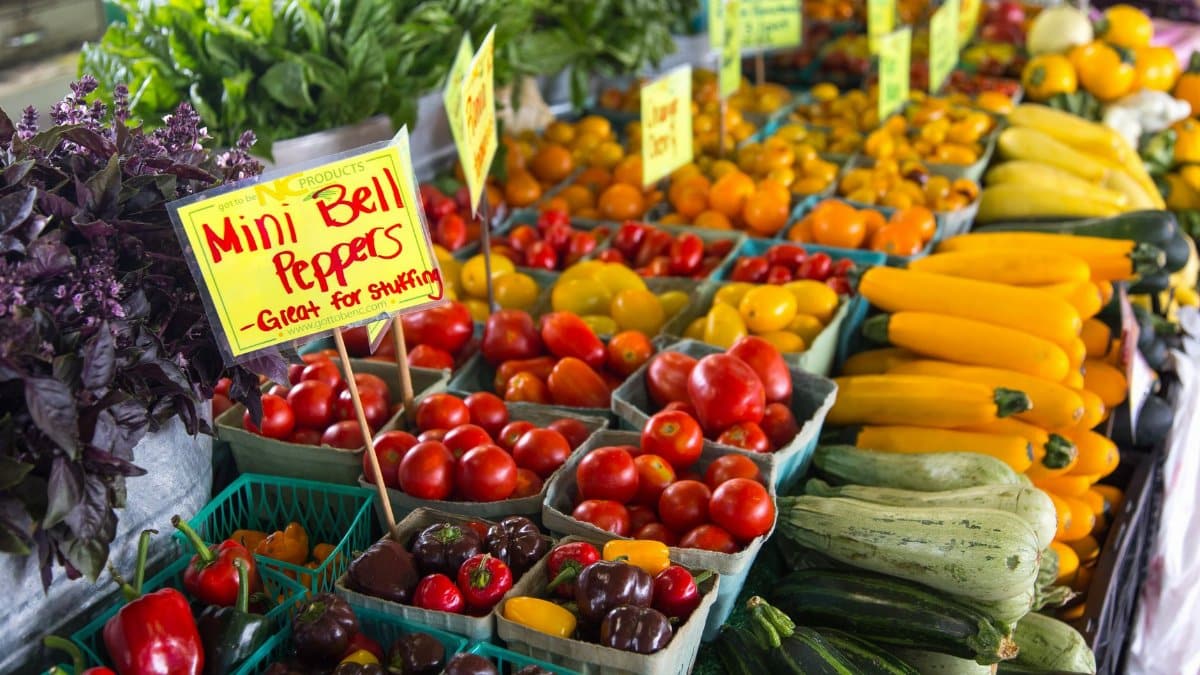
Retail buyers have expressed interest in a tomato that travels well yet retains good eating quality. The Husky tomato meets those needs according to preliminary shipping tests. Farmers note that the variety commands attention at local markets where customers seek produce suited to regional growing. Expanded acreage could follow if demand holds through multiple seasons.
Challenges in Wider Adoption

Seed availability remains limited as the release is recent. Some growers need time to adjust trellising methods for the plant structure. Extension agents are preparing guidance materials to help with these transitions. Weather variability will still test performance outside trial sites.
Consumer Reception So Far

Taste panels have given positive marks for sweetness and texture. Home gardeners who received samples mention success in containers or small beds. This dual appeal for both commercial and hobby growers broadens the possible reach of the variety.
Future Outlook for Northern Agriculture
Continued evaluation will determine whether the Husky tomato achieves lasting commercial scale. Researchers plan additional crossings to refine disease resistance further. Success here could encourage more public breeding programs focused on resilient crops for challenging climates. The precedent set by earlier innovations shows that targeted development can open new possibilities for producers.