
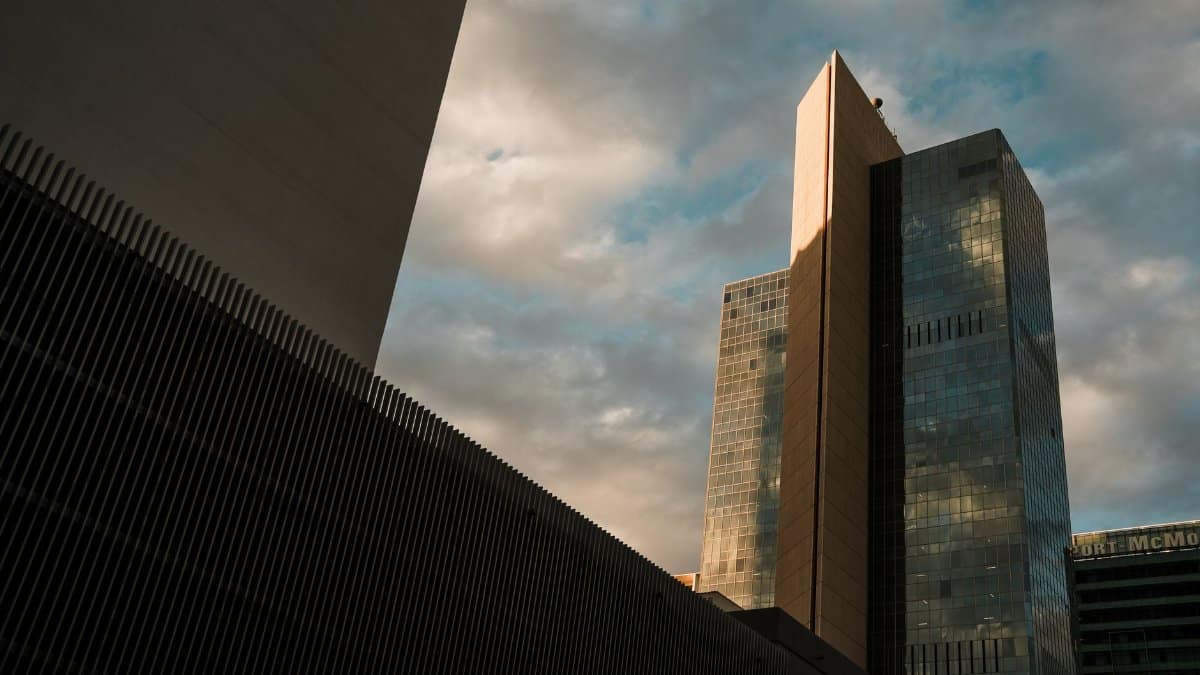
The dry channels of the Salt River have sat empty for decades under the Arizona sun. City officials recently took steps to change that with the Rio Salado redevelopment which aims to bring new life to the area through careful planning and community input. Leaders envision parks housing and shops rising along the banks to serve a growing population.
Planning Efforts Underway

Phoenix officials have outlined steps to convert the riverbed into a functional urban space. Meetings with architects and engineers focus on flood control while adding public areas that encourage daily use. Funds from local and state sources support the initial phases of construction expected to begin within two years.
Community Impact on Local Residents
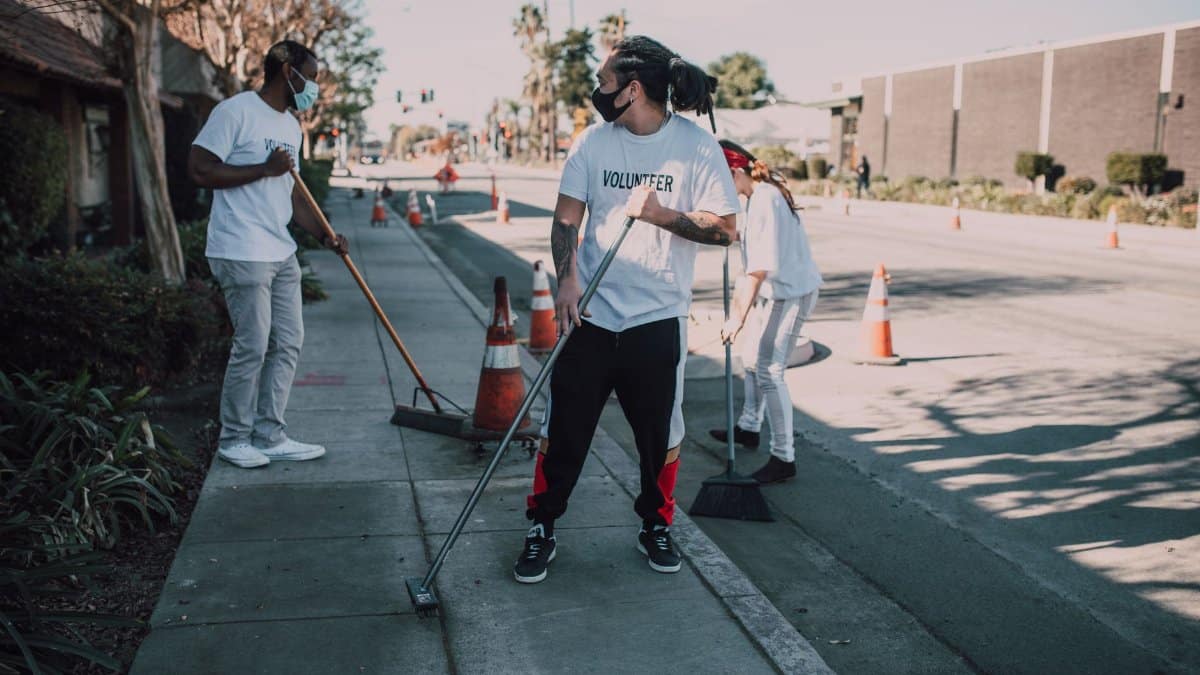
Families living nearby express hope that new amenities will improve daily routines. Access to green spaces could encourage more outdoor activity among all age groups. Some residents worry about rising costs in surrounding neighborhoods but city reports suggest measures to keep housing options varied.
Environmental Considerations for the River
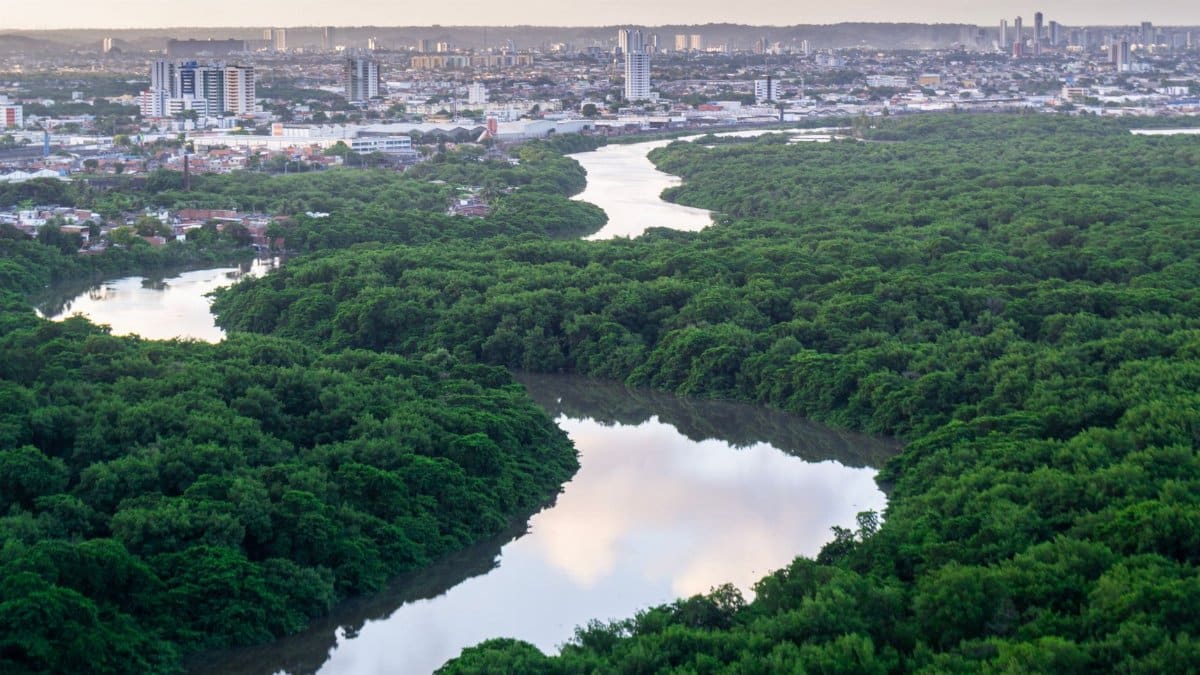
Restoration work includes planting native plants along the banks to support wildlife. Water flow management aims to prevent past flooding issues that affected nearby properties. Experts note that such changes may help cool the city during hot summer months by increasing vegetation cover.
Economic Benefits Expected from the Project
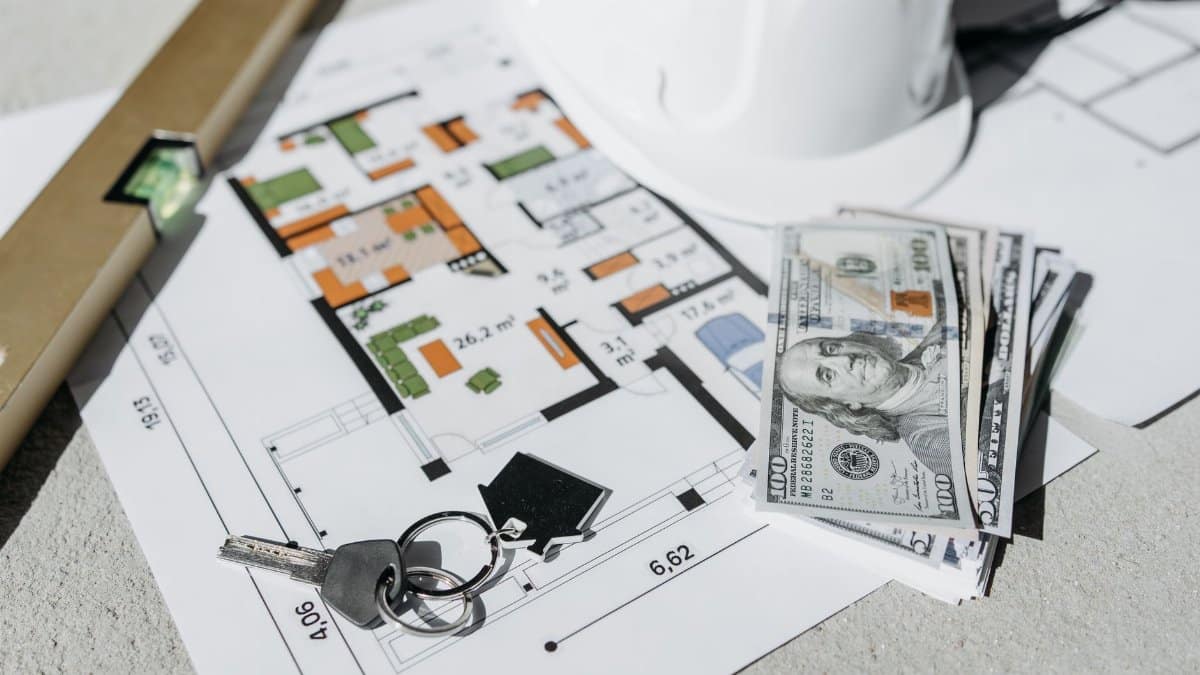
Business leaders anticipate new jobs in construction and retail once the Rio Salado redevelopment takes shape. The area could attract visitors who spend money at local shops and restaurants. Tax revenue from the completed sites may help fund schools and roads in the broader region.
Historical Significance of the Location
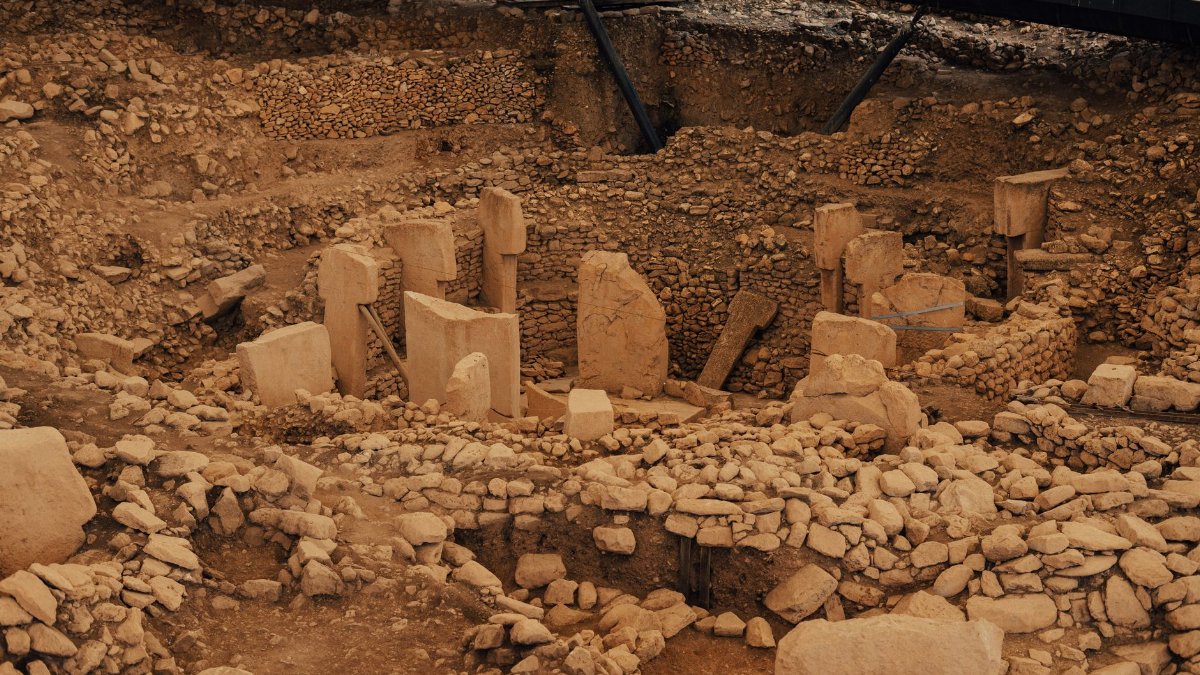
The Salt River played a key role in early settlement patterns across the valley. Old maps show how water shaped growth before modern diversions left the bed dry. Preserving some of that story through markers and trails forms part of the current design approach.
Future Outlook for Phoenix Development
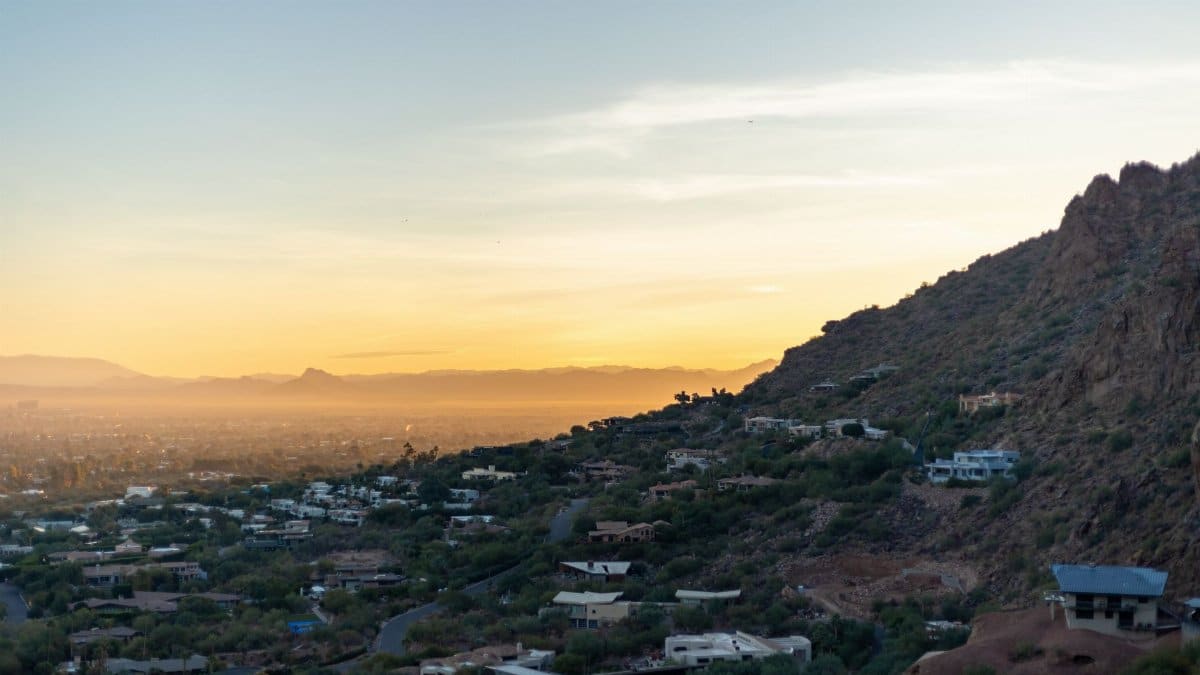
This project fits into larger goals for making the city more connected and livable. Similar efforts in other western cities have shown how river areas can become central gathering spots. Continued public input will shape how the Rio Salado redevelopment evolves over the coming decade.