
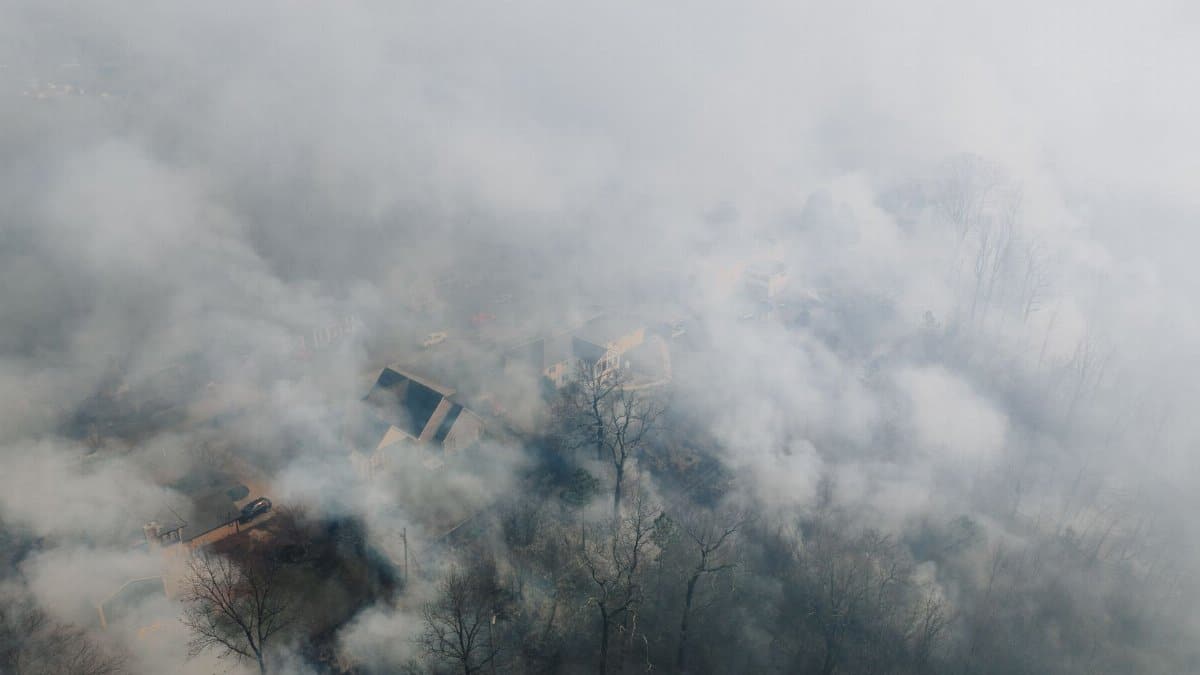
In recent years communities from California to Colorado have watched skies turn an ominous orange as smoke drifts in from distant blazes. Families stay indoors yet still feel the effects in irritated eyes and scratchy throats. Health officials note that these episodes are no longer rare events but recurring realities that demand preparation. Practical steps can shield indoor spaces from the worst effects and support daily routines even when conditions outside remain hazardous. wildfire air quality thus becomes a key consideration for anyone seeking to limit exposure during peak seasons.
Recognizing When Smoke Infiltration Begins

Smoke can enter homes through small gaps around windows doors and vents long before residents notice visible haze. Early signs include a faint odor or a subtle change in how light filters through rooms. Monitoring outdoor reports helps but personal observation inside the house often provides the first clue that levels are rising. Acting at this stage prevents greater buildup and reduces the need for more intensive interventions later.
Sealing Entry Points Around the House

A thorough walk through the property reveals cracks where air might leak in. Applying weather stripping or temporary plastic sheeting over windows creates barriers that slow the movement of particles. Focus first on bedrooms and living areas where people spend the most time. These adjustments work best when done before smoke arrives in force allowing residents to concentrate on other protections once conditions worsen.
Improving Air Circulation Indoors
Once sealed the next task involves managing the air already inside. Ceiling fans set on low can keep air moving without drawing in outside drafts. Avoid whole house systems that pull from exterior vents during heavy smoke periods. Instead rely on smaller units placed strategically to maintain comfort without introducing new contaminants.
Selecting Filters That Capture Fine Particles

Portable units equipped with high efficiency filters offer one reliable defense. Place them in rooms used most often and run them continuously during alerts. Replacement schedules matter because saturated filters lose effectiveness quickly. Checking manufacturer guidelines ensures the devices continue to perform as intended throughout extended smoke events.
Creating a Dedicated Clean Room

Designate one space as the primary refuge during intense periods. Keep it closed off from the rest of the home and equip it with a dedicated filtration device. Limit entry and exit to preserve the cleaner environment. This approach concentrates protection efforts where they provide the greatest benefit for vulnerable household members.
Adjusting Daily Activities to Limit Exposure

Cooking and cleaning can stir up additional particles so shifting these tasks helps. Opt for cold meals or quick preparations that avoid stovetop use. Vacuuming with standard machines may release dust so postpone such chores until outdoor conditions improve. These small changes accumulate into meaningful reductions in overall indoor load.
Tracking Conditions With Reliable Tools
Simple sensors placed indoors give real time feedback on particle counts. Compare readings with official outdoor data to judge when it is safe to open windows again. Consistent monitoring builds confidence in decisions about when to relax restrictions and when to maintain precautions.
Supporting Recovery After Smoke Clears
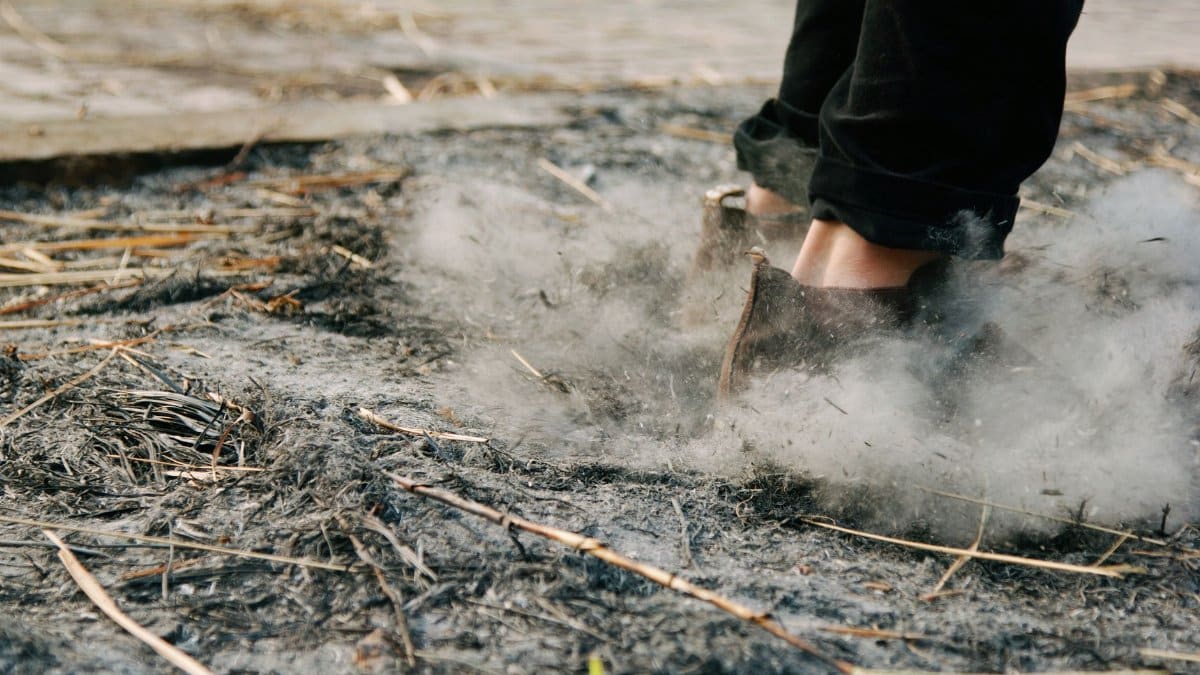
Once skies clear open windows gradually to refresh indoor air. Replace filters in all devices and wipe surfaces to remove settled residue. Allowing time for full ventilation prevents lingering effects from trapped particles. This final phase completes the cycle and prepares the home for future episodes.