
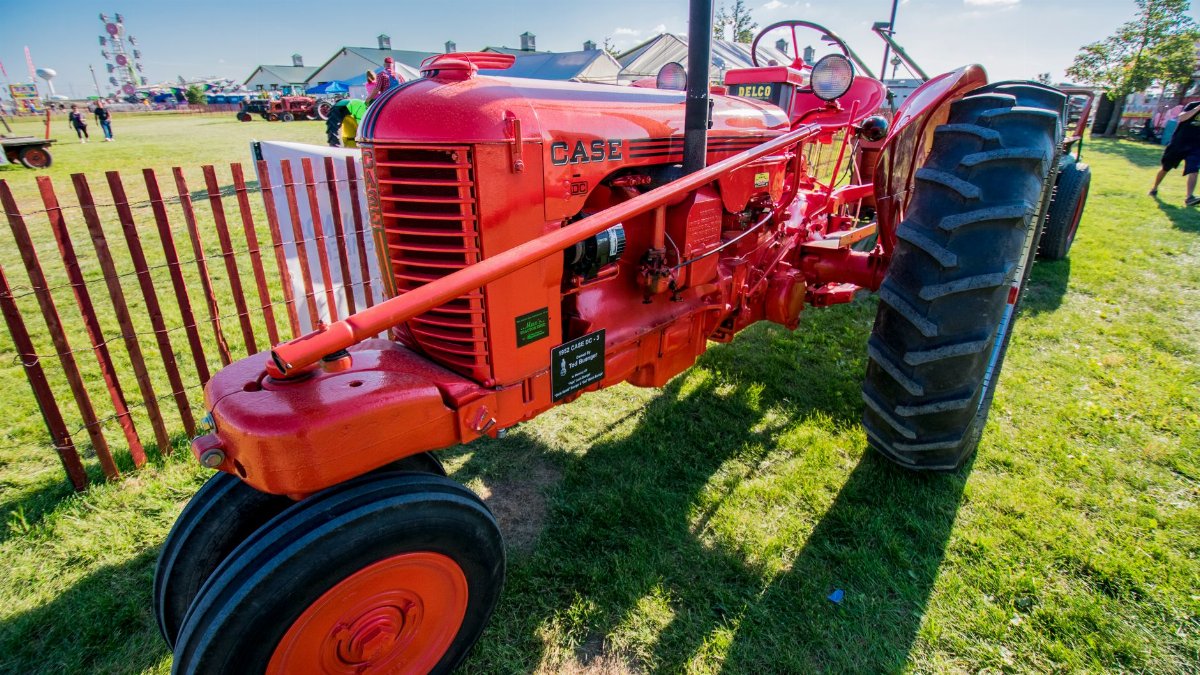
The rolling hills of Maryland come alive each summer when residents turn out in force to honor the rhythms of rural life and the enduring bonds of community. This season brought fresh energy to the thirty ninth edition of the annual gathering as Harford Farm Fair opened its gates on July 18 2026 and continues through July 25 with displays of local produce livestock and handmade crafts that draw families from across the region.
Tracing Roots of Agricultural Heritage in the Area
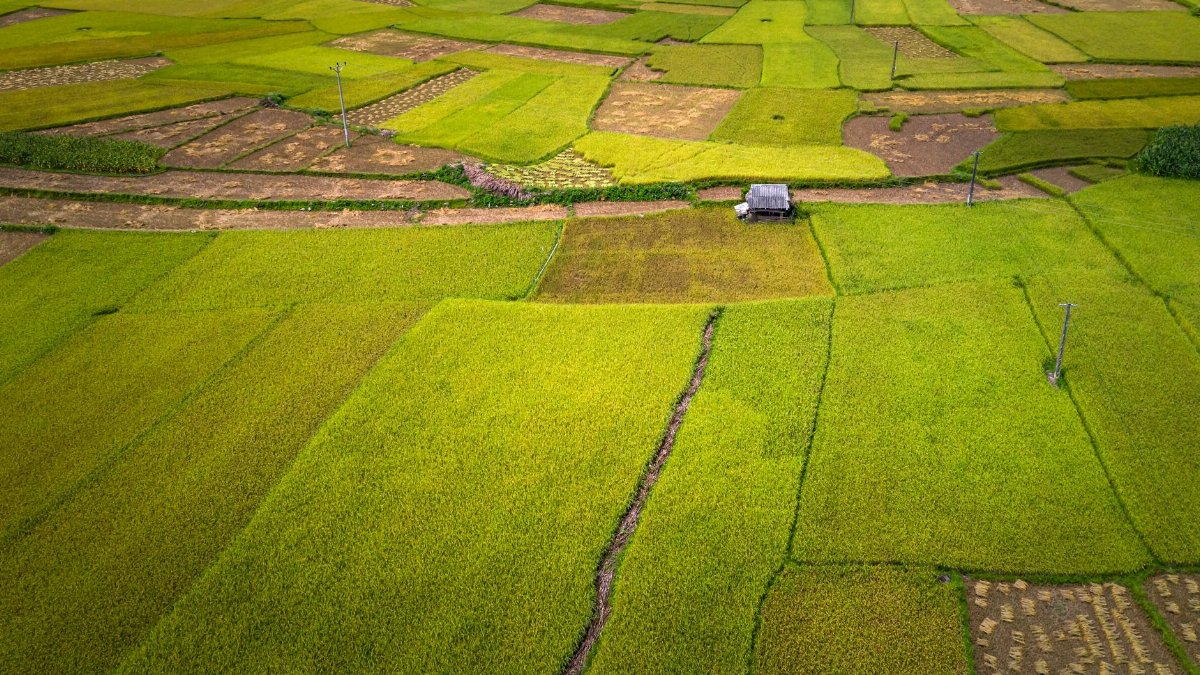
Long before modern fairs took shape county residents relied on seasonal markets to trade goods and share knowledge about soil management and livestock care. Those early exchanges laid the groundwork for events that blend education with celebration. Today visitors can still see demonstrations of traditional plowing techniques alongside updated machinery that reflects advances in sustainable practices. Such continuity reminds attendees that farming remains both a livelihood and a way of life passed across generations.
Family Activities That Strengthen Community Ties
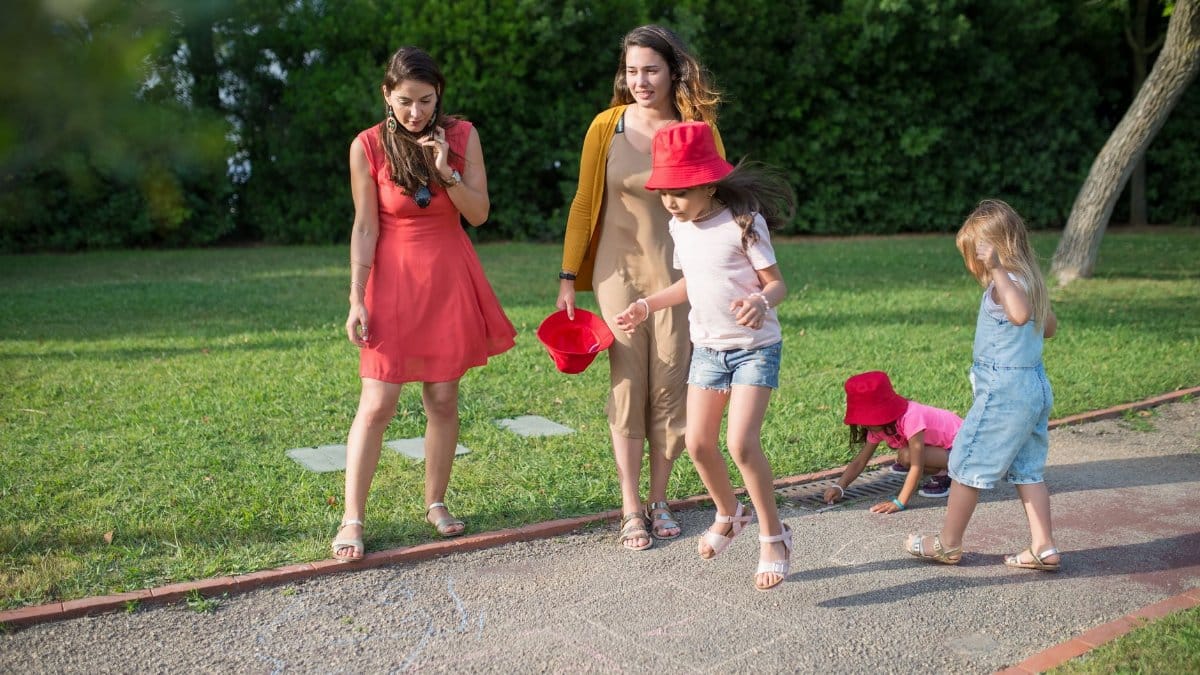
Children and adults alike find plenty to enjoy beyond the livestock barns. Hands on workshops teach basic canning methods while nearby stages host live music from local bands. Parents often note how these shared experiences create lasting memories and encourage younger participants to appreciate where their food originates. Volunteer coordinators arrange safe play zones and educational scavenger hunts that keep energy high without overwhelming the pastoral setting.
Economic Ripple Effects on Nearby Businesses

Local vendors report noticeable upticks in sales during the week long run as out of town guests explore downtown shops and restaurants after leaving the fairgrounds. Farmers gain direct access to consumers who might otherwise purchase imported goods. This face to face model supports small scale operations that emphasize quality over volume and helps preserve open land against suburban expansion pressures.
Animal Shows Highlighting Breed Standards and Care
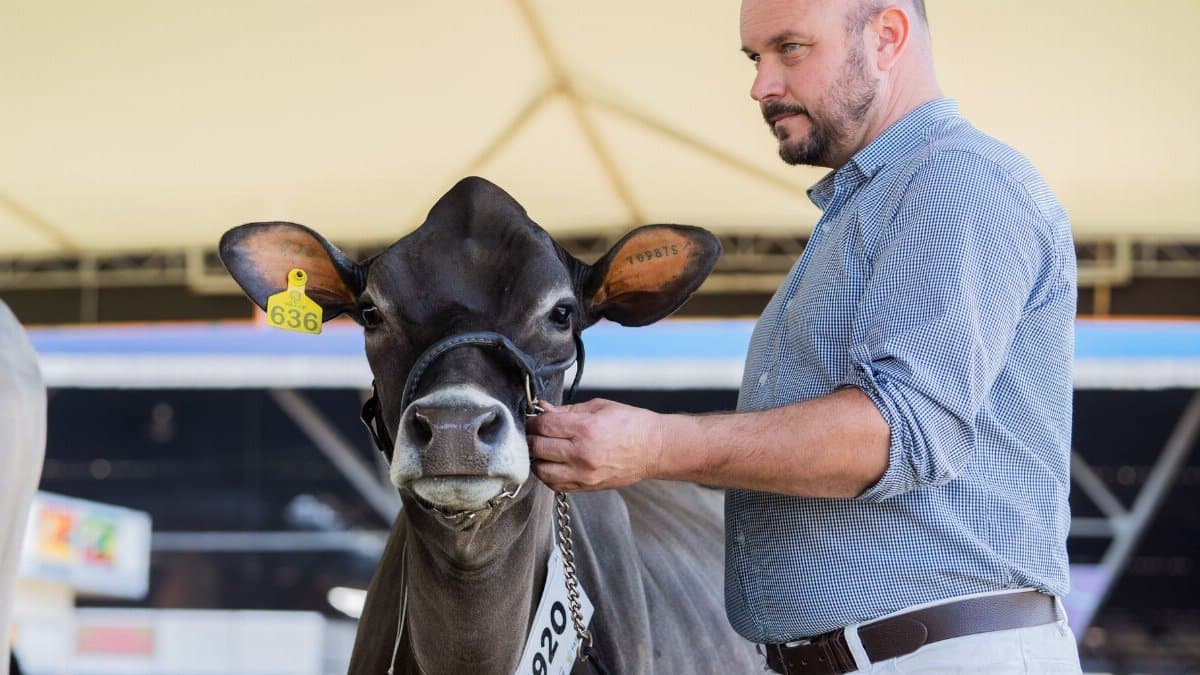
Judging rings draw crowds eager to watch skilled handlers present cattle sheep and poultry that meet exacting criteria for health and conformation. Experts explain the importance of genetic diversity and proper nutrition in maintaining robust herds. These displays serve an instructional purpose as well teaching future farmers the nuances of selective breeding and ethical treatment.
Food Offerings Rooted in Seasonal Abundance
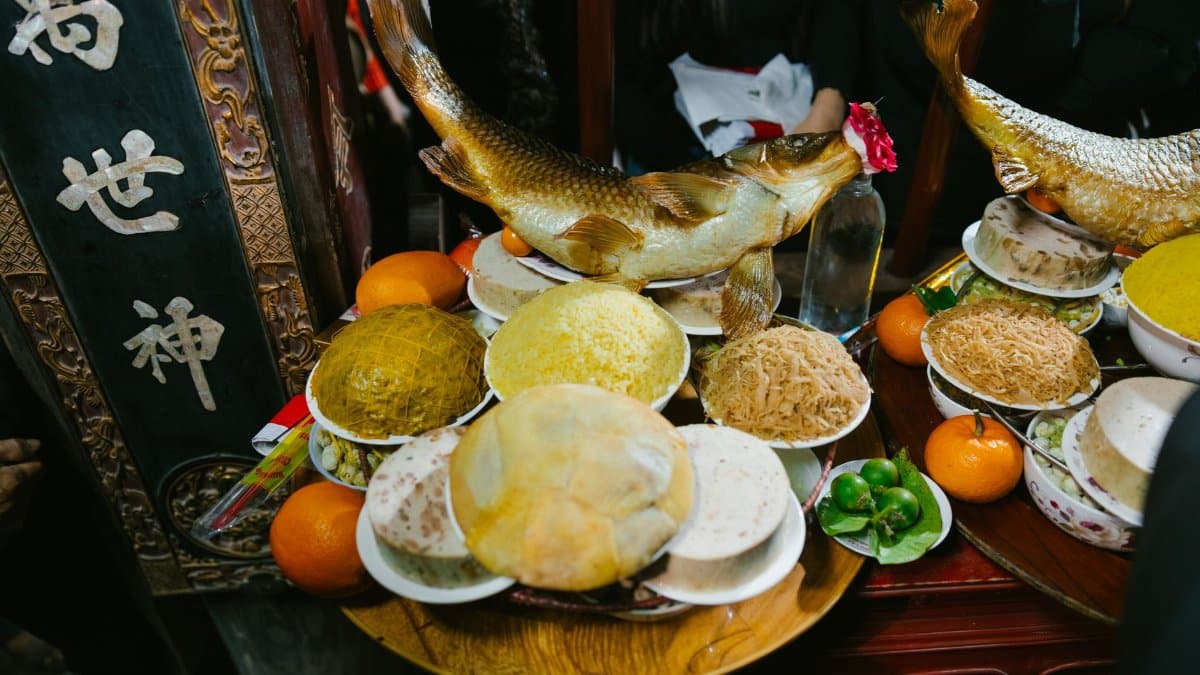
Stands serving fresh pies grilled corn and berry preserves showcase the bounty of nearby orchards and fields. Organizers prioritize vendors who source ingredients within a short radius to reduce transport emissions and spotlight regional flavors. Attendees frequently comment on the difference in taste compared with mass produced alternatives available year round in supermarkets.
Volunteer Networks Sustaining Event Operations
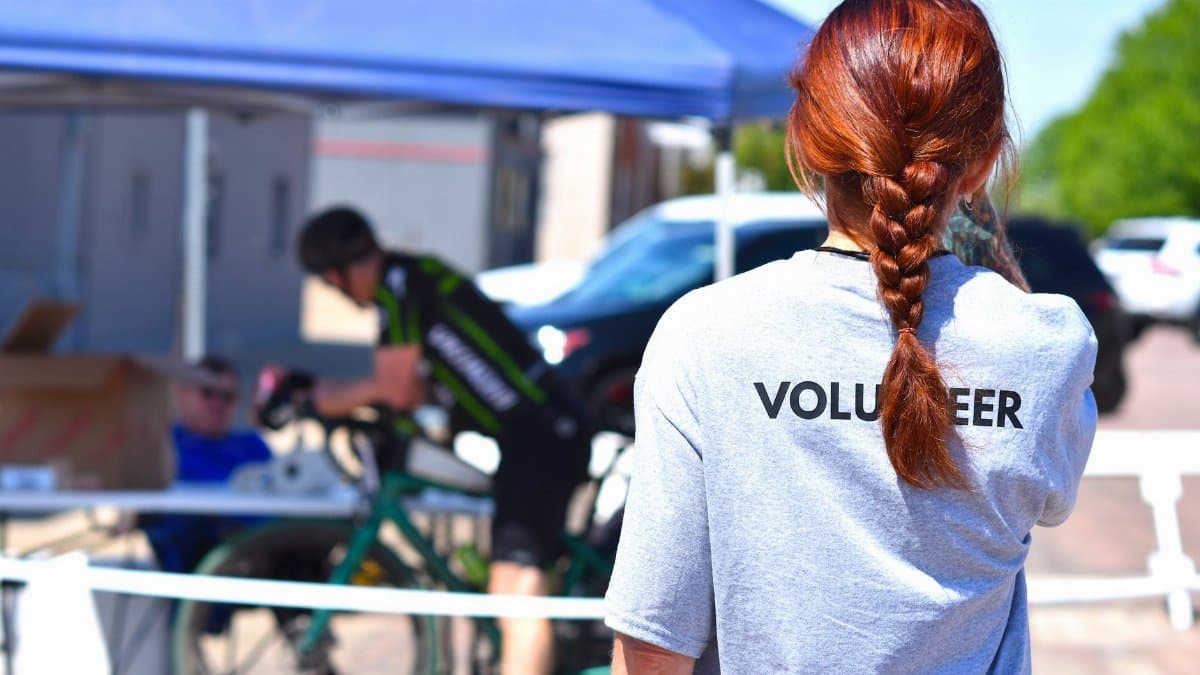
Behind every successful fair stands a dedicated team of residents who donate countless hours to setup cleanup and daily management. Many describe their involvement as a form of civic participation that strengthens social fabric. Training sessions held months in advance ensure safety protocols remain current while welcoming newcomers who bring fresh ideas to longstanding traditions.
Looking Ahead to Future Editions and Growth

Planners already discuss ways to expand educational programming on climate resilient crops without altering the intimate scale that defines the event. Partnerships with schools could introduce more youth to agricultural careers at a time when workforce renewal matters most. Continued support from county leadership and private sponsors will prove essential to keeping the gathering vibrant for decades ahead.