
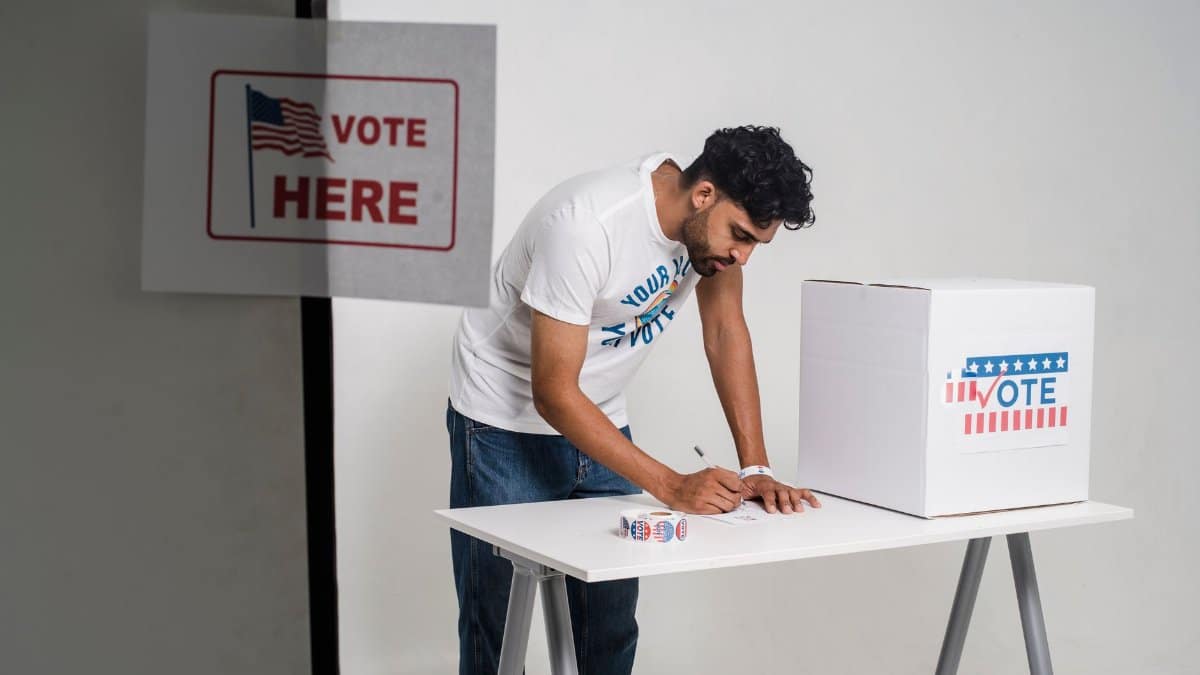
The contest for the Michigan Senate primary has emerged as a clear example of generational shifts in American politics. Younger voices are challenging established figures in ways that reflect broader changes across the nation. Abdul El Sayed brings a fresh perspective rooted in public health and progressive ideas while Haley Stevens offers the steady hand of someone with congressional experience. This matchup in Michigan captures attention because it pits innovation against tradition at a time when many feel the need for both. Observers note that the race could signal how the Democratic Party evolves in key battleground states.
Generational Divides Shape The Race

Age differences between the two leading figures stand out in discussions among voters and analysts alike. El Sayed represents a cohort that came of age amid economic upheaval and calls for systemic reform. Stevens draws from decades of service that emphasize incremental progress and institutional knowledge. These contrasts appear in campaign events where audiences respond to messages tailored to their life stages.
Policy Priorities Reflect Age And Outlook

Health care access and economic opportunity form core themes for El Sayed who stresses preventive measures and equity in treatment. Stevens focuses on manufacturing revival and trade policies informed by her time in Washington. Both positions resonate depending on whether listeners prioritize immediate disruption or sustained stability over time.
Voter Turnout Patterns In Michigan

Participation rates often vary by age group with younger residents showing enthusiasm in primaries when candidates address climate and education directly. Older demographics tend to favor continuity in social programs and foreign policy. Data from recent cycles indicate that mobilization efforts can tip scales when targeted effectively in urban and suburban areas.
Campaign Strategies And Messaging

El Sayed employs digital platforms and grassroots gatherings to build momentum among those seeking bold change. Stevens relies on established networks and endorsements from party leaders to underscore reliability. Each approach reveals assumptions about what moves the electorate in a state with diverse economic bases.
Impact On Broader Democratic Direction

Outcomes in this contest may influence national conversations about leadership renewal within the party. Success for the younger candidate could accelerate calls for fresh faces in other states. A win for the more experienced contender might reinforce preferences for proven records amid external pressures.
Local Issues Intersect With National Trends

Manufacturing communities and university towns in Michigan bring distinct concerns to the table. El Sayed connects these to wider movements for justice while Stevens ties them to legislative achievements. The interplay shows how state level races absorb elements from federal debates without losing their unique character.
Media Coverage And Public Perception
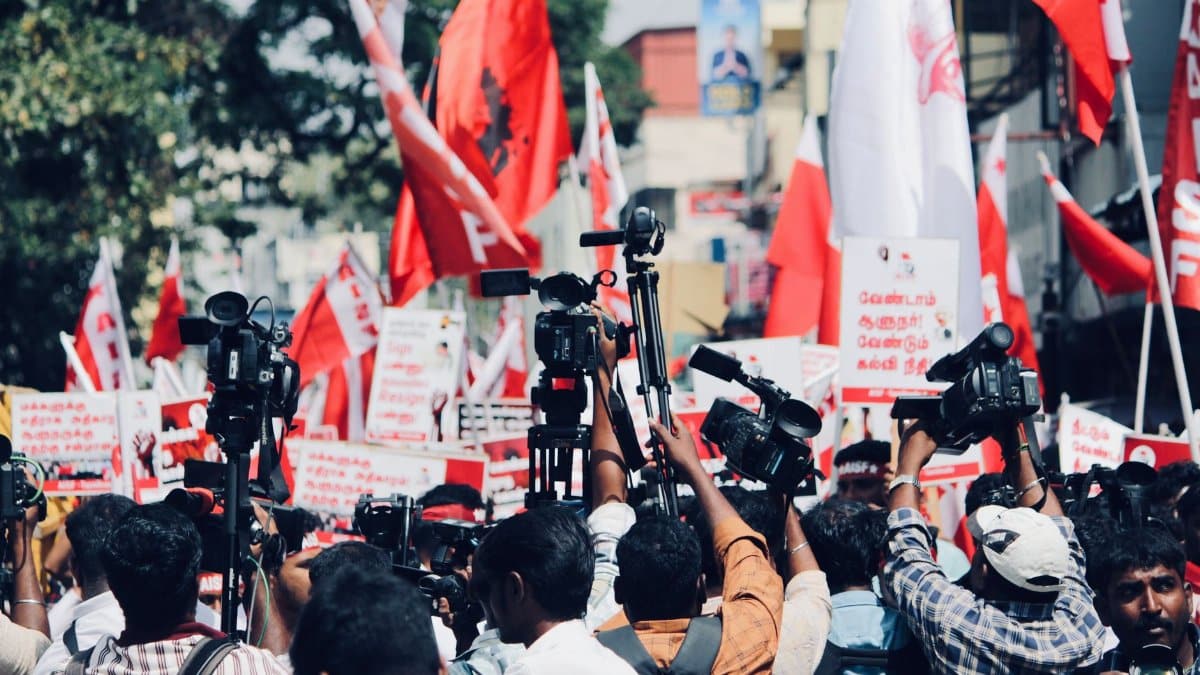
News outlets frame the primary through lenses of renewal versus experience which shapes how undecided voters weigh options. Personal stories from each candidate humanize the generational theme and invite reflection on what qualities matter most in representatives. Balanced reporting helps audiences separate rhetoric from substance.
Historical Context For Michigan Primaries

Past contests in the state have featured similar tensions between newcomers and incumbents yet the current pairing stands apart due to explicit age framing. Lessons from earlier cycles inform strategies today as campaigns adapt to shifting demographics and communication tools.
Future Implications Beyond November

Whoever prevails will face challenges in the general election that test adaptability and coalition building. The primary itself serves as a test case for how parties balance innovation with continuity in pursuit of electoral success. Long term effects could extend to recruitment of candidates in subsequent cycles.