
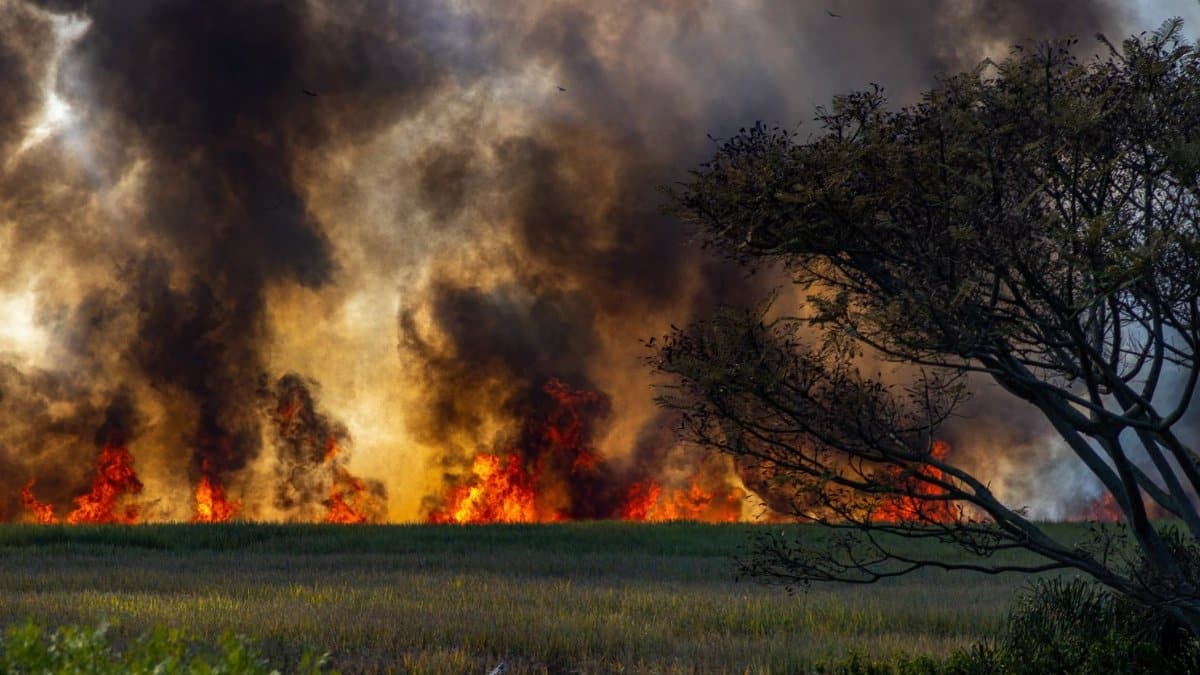
As smoke from distant northern fires drifts into the lower peninsula, many communities are experiencing reduced visibility and respiratory discomfort during peak summer activities. The situation has prompted officials to issue advisories urging vulnerable groups to limit outdoor time. Discussions around Michigan air quality have gained renewed attention as patterns of haze become more frequent in recent seasons.
Current Conditions Across the State
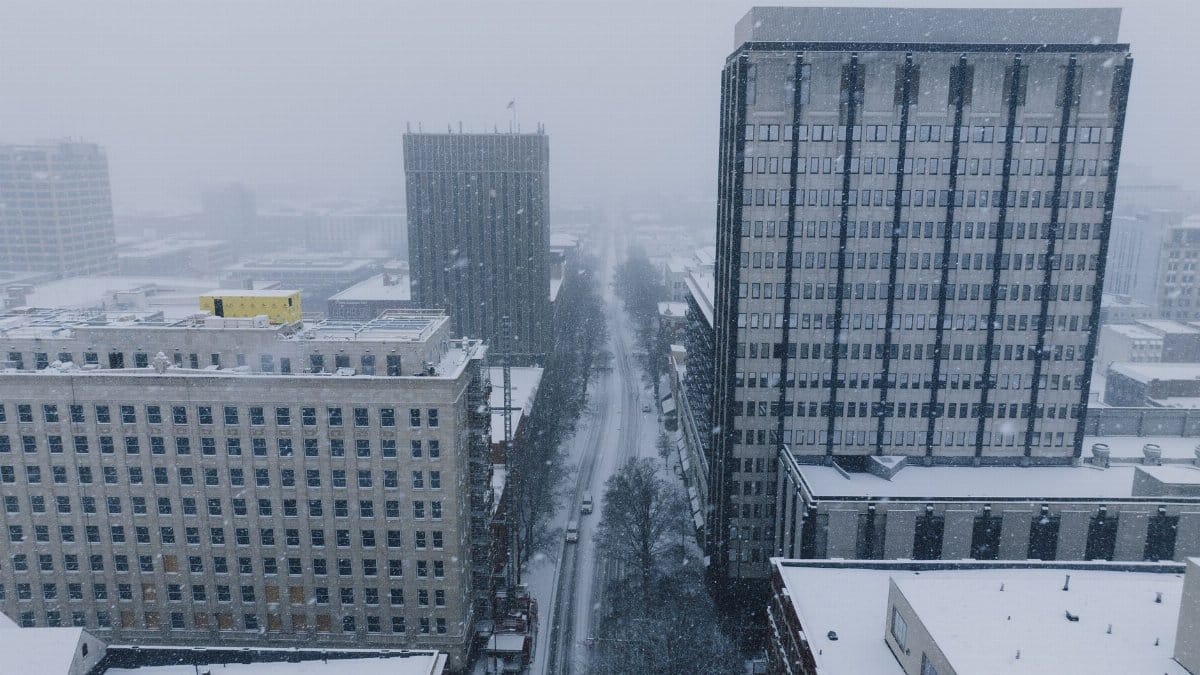
Reports indicate that several counties are under alerts due to elevated particle levels carried by prevailing winds. Monitoring stations show readings that exceed typical summer norms, affecting both urban centers and rural areas alike. People with existing health issues are advised to stay indoors where possible and use air filtration if available.
Origins of the Recent Smoke Event

Investigators trace the plume back to large scale fires in Canadian forests that have burned for weeks. Shifting weather patterns have directed the emissions southward, creating a broad band of affected territory. This type of transport has occurred before but seems to arrive earlier each year.
Health Considerations for Residents

Medical experts note increases in clinic visits for breathing difficulties during these episodes. Fine particles can penetrate deep into lung tissue, leading to irritation that lingers even after skies clear. Families are encouraged to check daily forecasts before planning extended time outside.
Effects on Daily Activities and Economy

Outdoor events such as festivals and sports practices face cancellations or postponements when conditions worsen. Tourism operators report drops in bookings as visitors avoid the region during peak haze periods. Local businesses tied to recreation feel the pinch most directly.
Monitoring Systems and Public Alerts
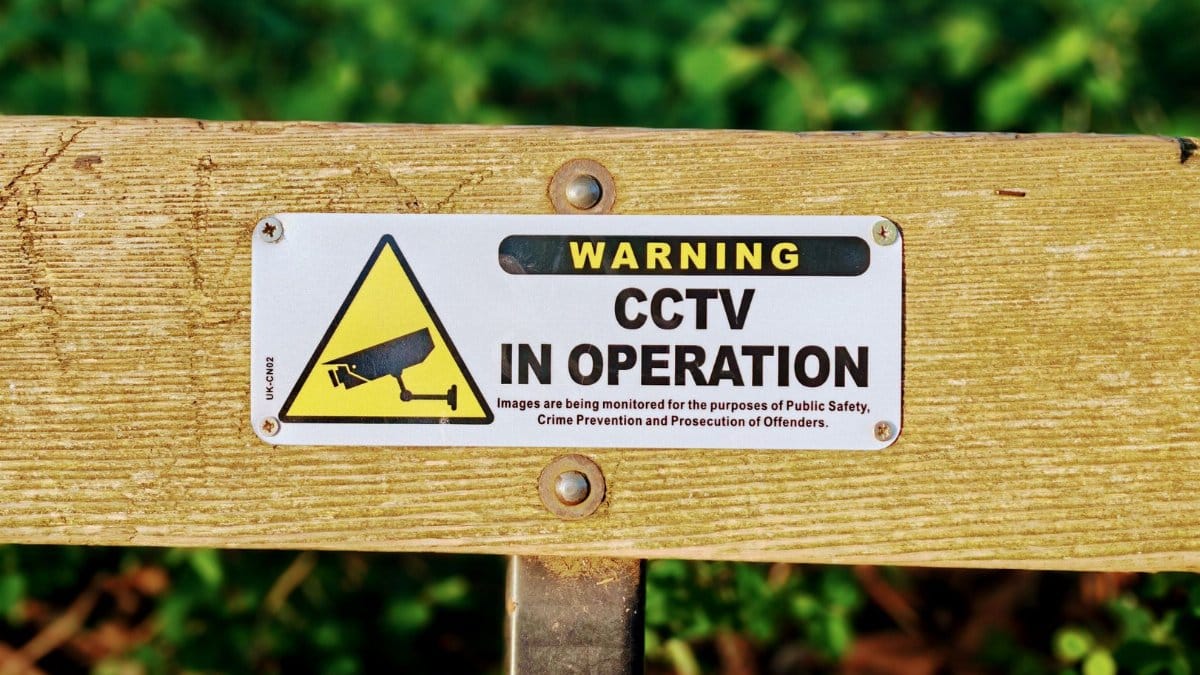
State agencies rely on a network of sensors to track changes in real time and issue updates through apps and media channels. These tools help residents make informed choices about their routines. Accuracy of predictions has improved but still depends on wind patterns that can shift quickly.
Longer Term Environmental Patterns
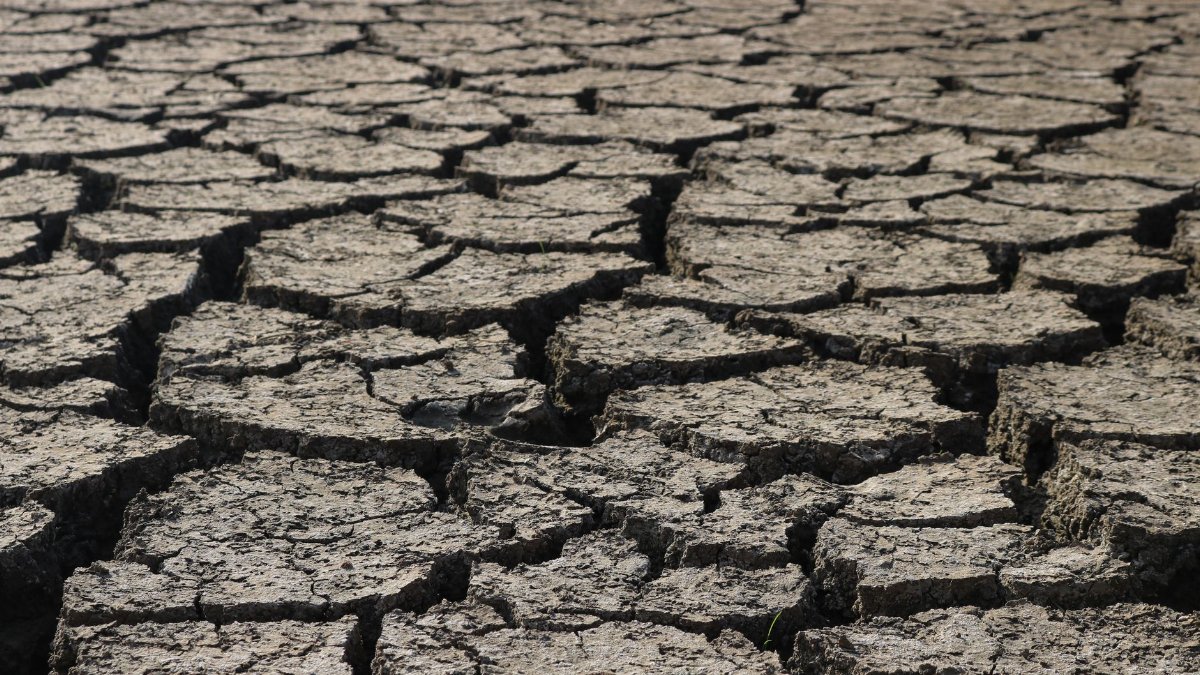
Scientists link rising fire activity in northern forests to warmer temperatures and drier conditions over multiple years. Such trends suggest that episodes like the current one may become more common without broader changes in climate behavior. Michigan air quality management will need to adapt accordingly.
Steps Individuals Can Take

Simple measures include sealing windows during high alert days and opting for indoor exercise alternatives. Purchasing portable air cleaners can offer relief in homes without central filtration. Staying informed through official channels remains the most reliable approach.
Looking Ahead to Future Seasons
Preparedness efforts now include public education campaigns aimed at building awareness before smoke arrives. Collaboration with neighboring regions helps share data and coordinate responses. Michigan air quality will continue to reflect both local actions and distant environmental events in the years to come.