
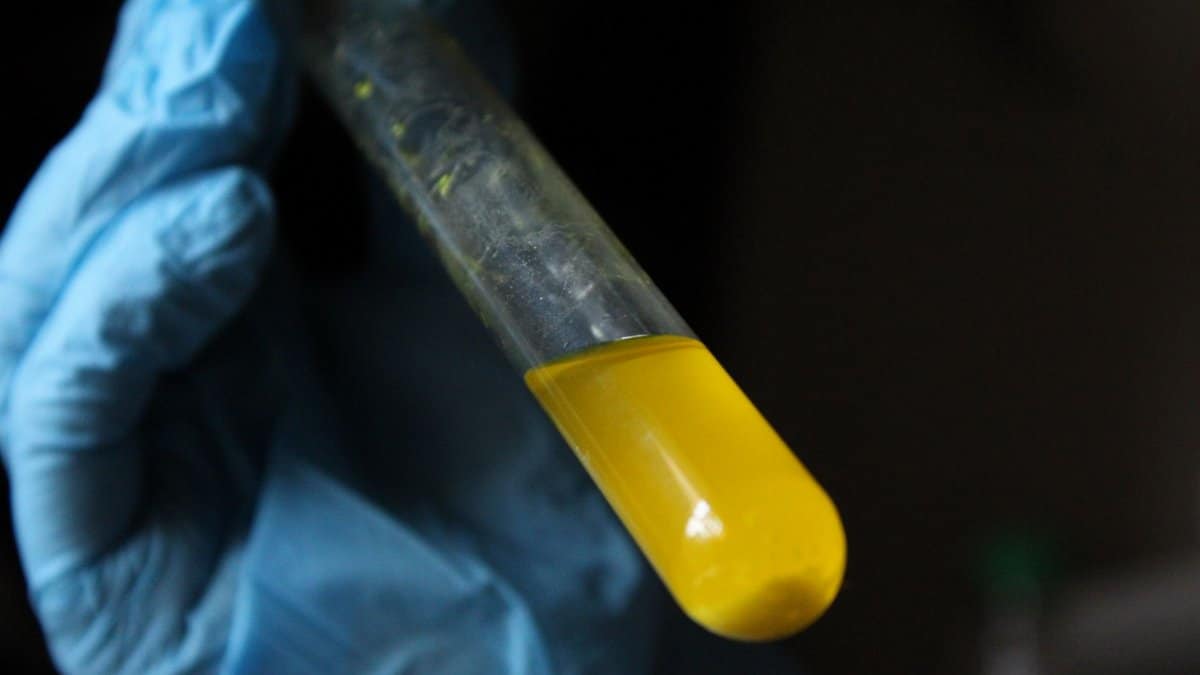
In a laboratory at the University of Colorado Boulder a team of biologists once tracked the spread of invasive species across the Rockies with the kind of steady federal support that allowed long term data collection. That continuity ended when several grants were terminated under policies from the Trump administration that singled out certain research topics. The result has been a scramble to salvage years of work and a broader sense of unease among academics who see research funding cuts reshaping the landscape of discovery in the state.
Scale of Lost Support in Colorado Institutions

State universities reported that more than three hundred seventy five million dollars in federal grants either disappeared or faced sudden restrictions. Projects in public health and environmental monitoring absorbed the heaviest losses yet administrators noted ripple effects across engineering and basic science departments as well. Faculty described weeks of uncertainty while they waited for official notices that often arrived with little explanation.
Effects on Early Career Researchers

Young scientists building their first independent labs found themselves without the seed money that traditionally launches academic careers. Several postdoctoral fellows said they were exploring opportunities abroad where funding streams remain more predictable. The pattern raises questions about whether the next generation of talent will choose to stay in the United States.
Shifts in Research Priorities

Topics once viewed as routine now carry political risk. Studies involving diversity in clinical trials or climate adaptation strategies encountered extra scrutiny and in some cases outright termination. Investigators reported rewriting proposals to emphasize economic benefits rather than broader societal questions in hopes of keeping work alive.
Responses from State Leaders and Advocates
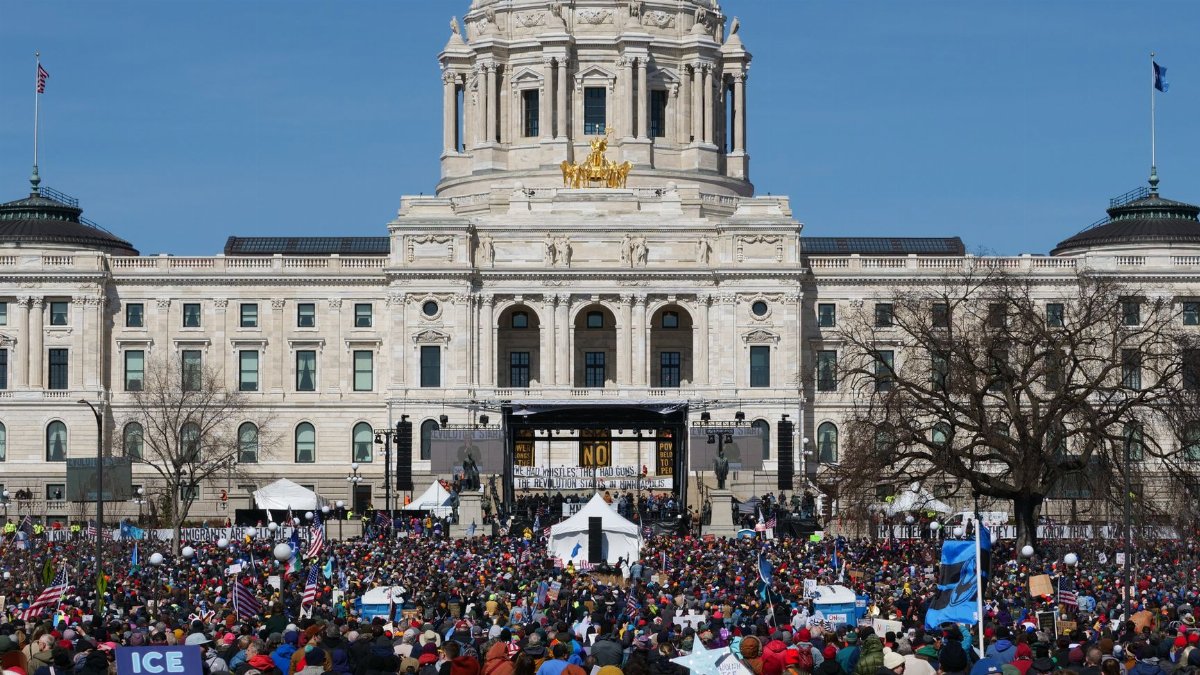
Colorado elected officials have pressed federal agencies for clearer guidelines on which projects remain eligible. Advocacy groups meanwhile organized briefings for lawmakers to illustrate how research funding cuts affect local economies through lost jobs and reduced technology transfer. The conversations have begun to surface in legislative hearings though concrete remedies remain distant.
Consequences for Public Health Data Collection

Ongoing surveillance of infectious diseases lost critical support when grants tied to certain demographic analyses were canceled. Health departments in rural counties noted gaps in tracking that could delay responses to future outbreaks. Researchers stressed that incomplete data sets become harder to restore once teams disband and equipment is reassigned.
International Comparisons and Competitiveness
European and Asian governments continue to expand science budgets while American institutions absorb reductions. Colorado physicists collaborating on particle experiments abroad described colleagues questioning whether partnership with United States labs remains reliable. The perception of instability could steer joint projects toward other nations for years to come.
Possible Paths Forward for Academic Resilience

Some departments have turned to private foundations and state matching programs to bridge immediate shortfalls. Others are consolidating resources across institutions to share expensive instrumentation. Observers caution that such measures offer temporary relief rather than the sustained investment once provided by federal agencies.