
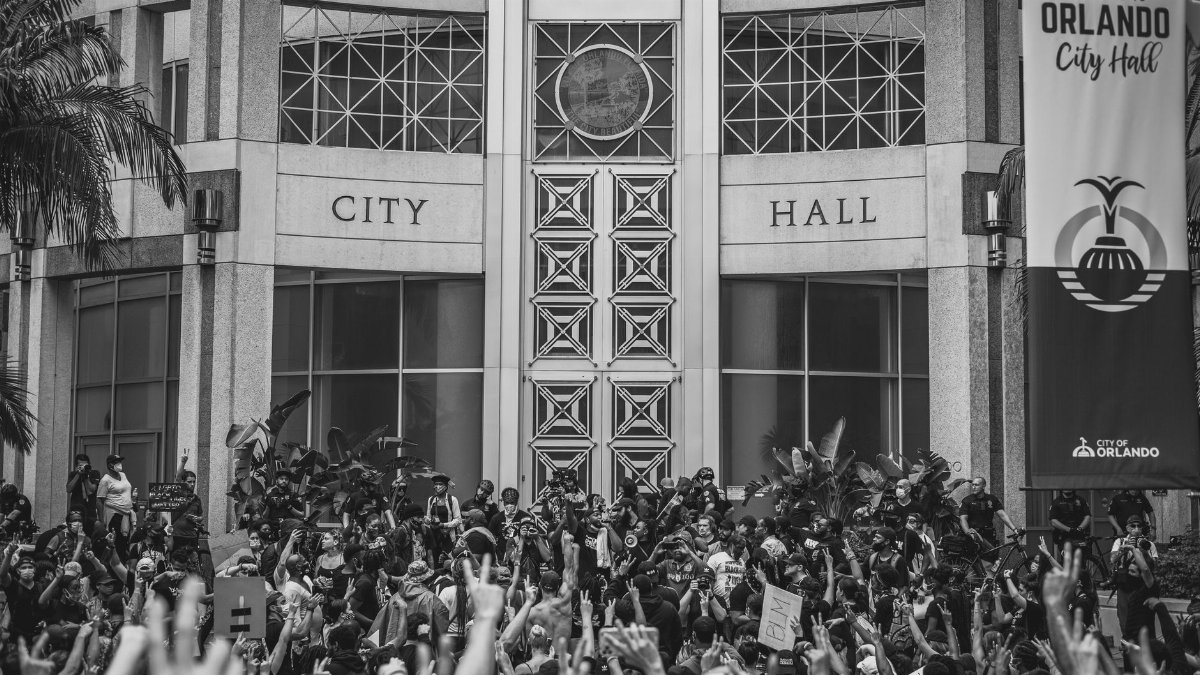
Florida Democrats gathered in Orlando this past weekend to discuss the direction of their party ahead of the 2026 elections. Among the topics that dominated conversations was the composition of the slate of potential nominees. Observers noted that many of the prominent names being floated lacked the racial and ethnic variety that some members believe is essential for success. Democratic diversity concerns thus emerged as a key point of discussion during the event. Participants described a sense of urgency about ensuring that future candidates better mirror the states changing population. The sessions mixed policy talks with informal networking as attendees weighed options for strengthening their appeal.
The Setting of the Meeting

The Orlando sessions brought together activists organizers and elected officials from across Florida. They examined how recent national trends have shaped local strategies. Discussions touched on the need for broader outreach in suburban and rural areas where support has softened in prior cycles. Attendees shared stories from door to door efforts that highlighted gaps in connection with certain communities. The tone remained constructive yet pointed as speakers urged a fresh look at recruitment pipelines.
Profiles of Potential Nominees
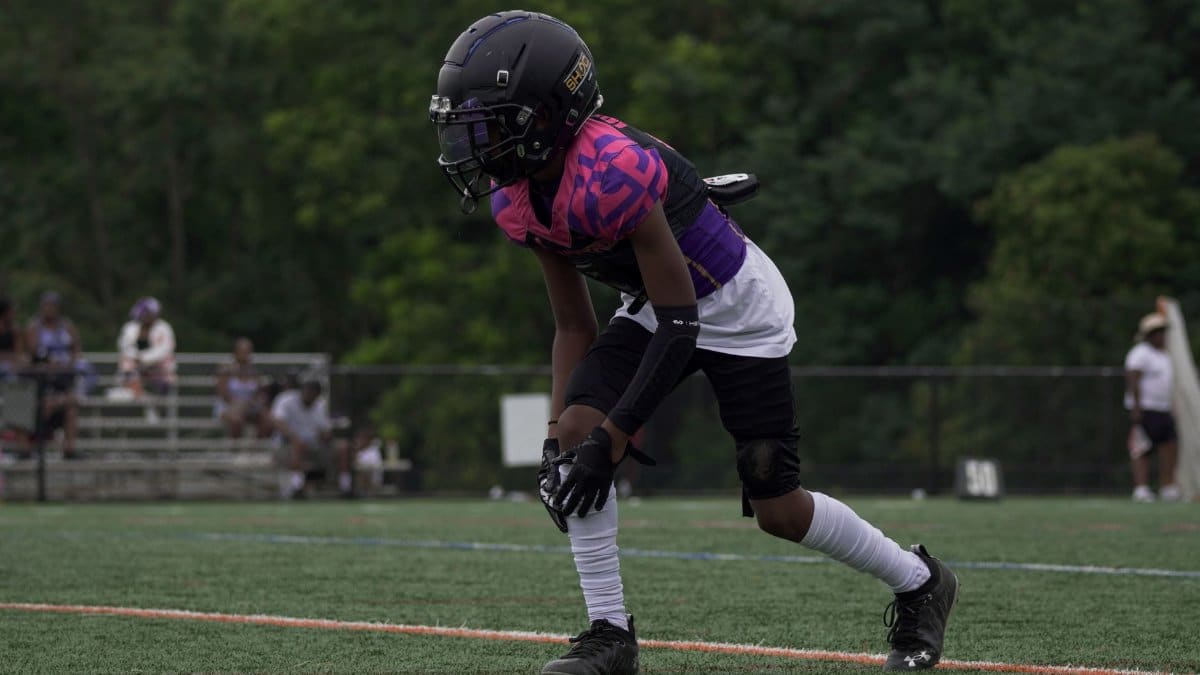
Several figures have drawn early attention for statewide races. Their backgrounds include military service business experience and prior public roles. Yet party members pointed out limited representation from Black Hispanic and Asian American groups among the most visible contenders. This pattern has prompted quiet conversations about expanding the pool of names under consideration. Some suggested mentoring programs to prepare a wider array of voices for higher office.
Historical Patterns in Florida Contests
Past election cycles show that diverse tickets often performed strongly in urban centers and growing exurbs. Data from earlier midterms indicate that balanced slates helped drive turnout among younger and minority voters. Current Democratic diversity concerns reflect a desire to recapture that momentum after narrower margins in recent years. Analysts note that shifts in demographics have made inclusive approaches more vital than before.
Perspectives from Party Activists
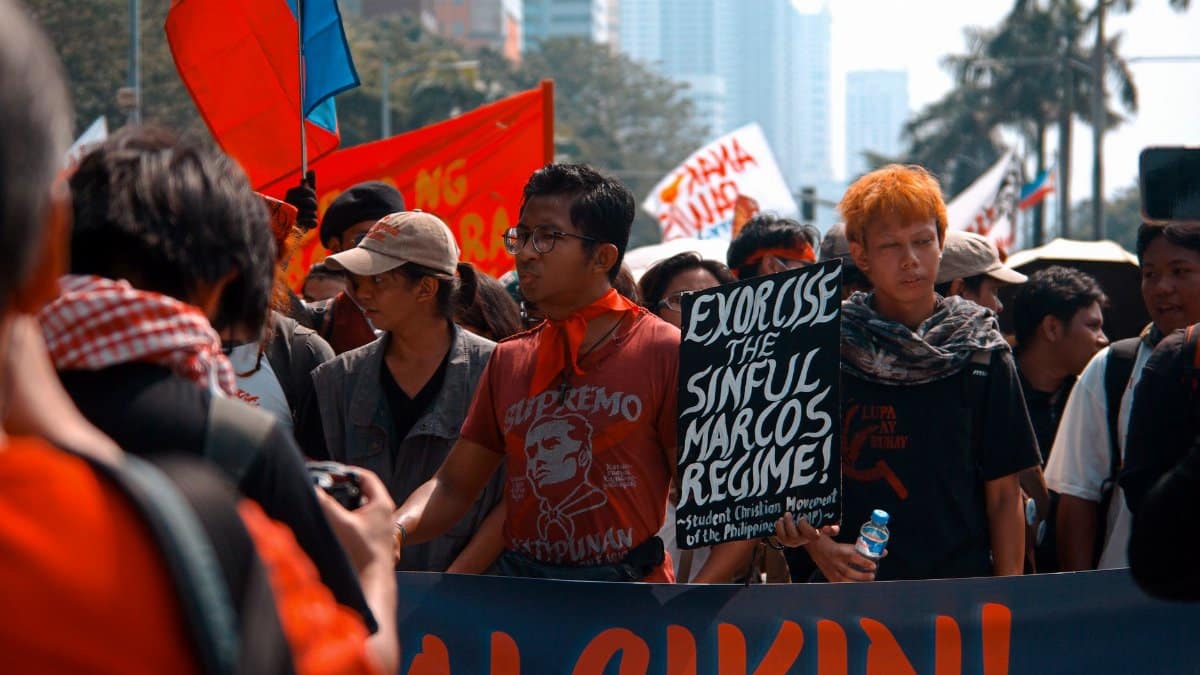
Longtime volunteers expressed frustration that internal debates sometimes overlook lived experiences from varied neighborhoods. One organizer described how cultural fluency can influence everything from messaging to event planning. These insights fed into larger talks about building durable coalitions. Participants agreed that genuine inclusion requires more than surface level adjustments to campaign materials.
Effects on Broader Voter Engagement
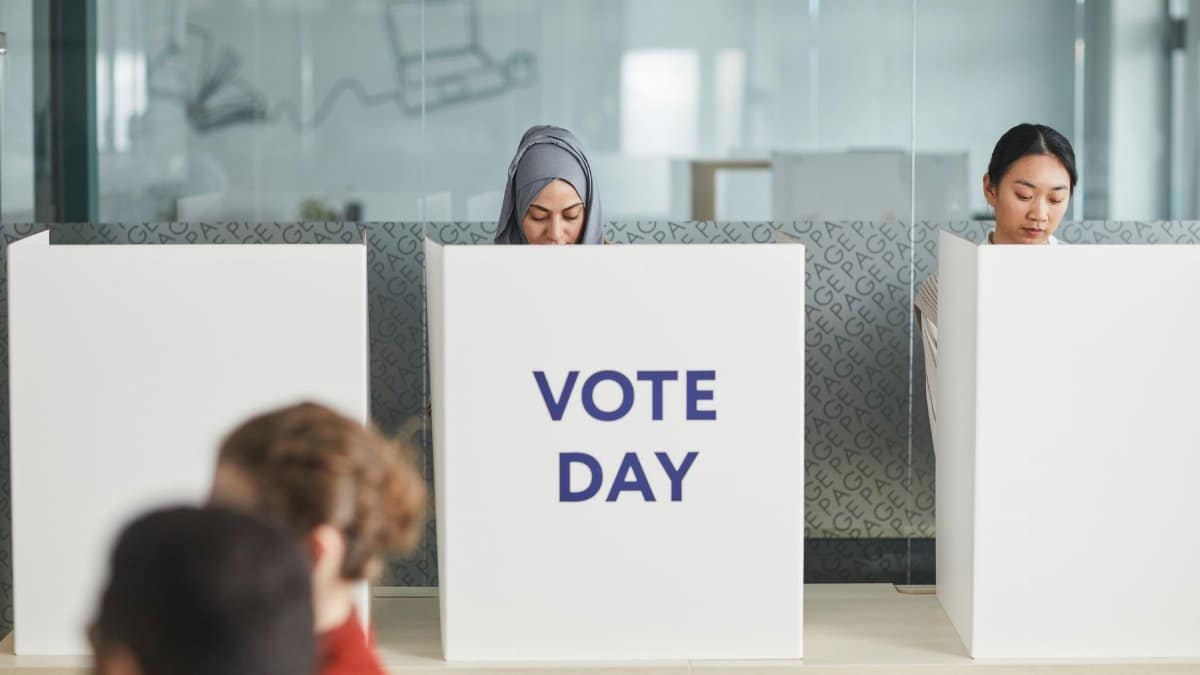
Limited variety among leading candidates risks dampening enthusiasm in key demographic segments. Registration drives in recent months have shown steady interest from new citizens and first time voters who seek relatable figures. Addressing Democratic diversity concerns early could help sustain that energy through primary season and beyond. Field directors stressed the value of visible role models in sustaining volunteer networks.
Lessons from Other States
Party leaders in places like Georgia and Virginia have experimented with recruitment models that prioritize wide representation. Those efforts yielded mixed but instructive results that Florida observers are studying closely. Adaptations could involve partnerships with community groups that already hold trust in underrepresented areas. Such steps might ease the path for fresh faces to enter contention.
Forward Looking Strategies
Proposals ranged from revised endorsement criteria to training academies aimed at diverse applicants. Some advocated for public forums that allow lesser known aspirants to gain exposure. The goal remains a more resilient party structure capable of competing in a state known for tight races. Ongoing dialogue will determine which ideas gain traction ahead of filing deadlines.