

In the bustling corridors of Florida politics, where ambition often collides with legacy, two familiar figures have stepped forward once more to seek local leadership roles. Former Governor Charlie Crist and ex Tampa Mayor Bob Buckhorn are mounting campaigns that stir memories of their past tenures while raising questions about fresh starts in St Petersburg and Tampa. Their returns highlight a moment when experience meets evolving community needs, with the Crist Buckhorn mayoral dynamic drawing attention from voters and analysts alike. As filing deadlines approach for the 2026 cycle, these candidacies promise debates over growth, services, and governance that could reshape daily life in both cities.
Tracing the Paths of Established Leaders

Charlie Crist built a career spanning multiple parties and statewide offices before turning his focus to municipal contests. His record includes pushes for education funding and environmental protections during his time as governor. Now eyeing the St Petersburg mayoral seat, he brings that background to discussions on infrastructure upgrades and housing affordability.
Bob Buckhorn Revisits Tampa Leadership
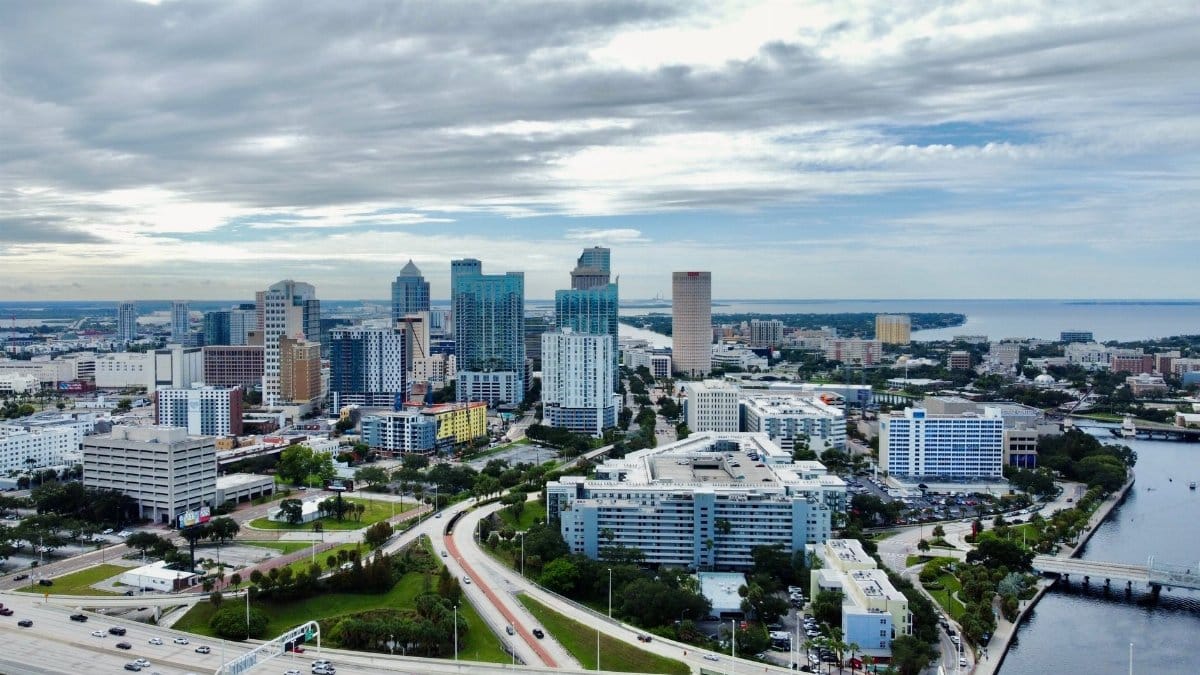
Bob Buckhorn served as Tampa mayor from 2011 to 2019, overseeing projects that expanded downtown development and public transit options. His approach emphasized business partnerships and urban renewal efforts. In this new bid, he aims to address lingering challenges like traffic congestion and neighborhood equity.
Community Priorities in Contested Races
Residents in both cities express concerns over rising costs and limited public resources. Surveys from local universities show strong interest in better parks and improved emergency response systems. Candidates like Crist and Buckhorn must connect these issues to concrete proposals if they hope to secure broad support.
Examining Records on Economic Growth
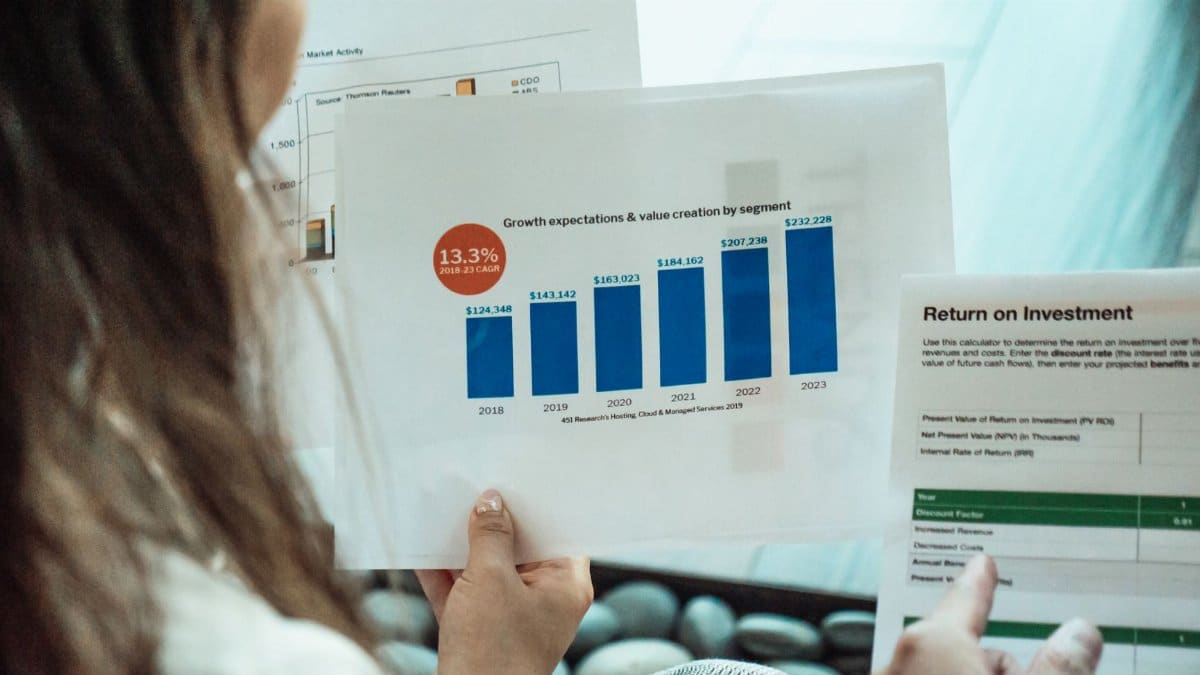
Past administrations under these men coincided with periods of job expansion in tourism and tech sectors. Crist advocated for incentives that attracted companies to the region. Buckhorn promoted waterfront revitalization that boosted property values yet sparked debates on displacement risks.
Voter Sentiments Across Demographics

Middle aged homeowners and younger professionals form key blocs in upcoming elections. Many recall the stability associated with prior terms by these politicians. Others seek candidates who prioritize sustainability measures amid climate pressures affecting coastal areas.
Policy Contrasts Emerging Early

Differences appear in approaches to budgeting and public safety. One candidate stresses collaborative models with state agencies. The other highlights independent local control to tailor solutions for specific urban pockets.
Media Coverage and Public Perception

Local outlets have framed these candidacies as comebacks that test name recognition against newer entrants. Editorials note how media narratives influence turnout in primary seasons. Observers watch closely for endorsements from business groups and civic organizations.
Potential Impacts on Regional Development
A Crist victory in St Petersburg could accelerate port expansions tied to trade routes. Buckhorn in Tampa might revive plans for expanded convention facilities. Either outcome would influence neighboring counties through shared economic ties and transportation networks.
Challenges of Returning to the Arena

Age and shifting political climates present hurdles for any experienced office seeker. Questions arise about adaptability to current social movements and digital engagement strategies. Success may hinge on demonstrating relevance to issues like remote work trends and health access.
Looking Ahead to Election Outcomes

The 2026 contests will unfold against a backdrop of state level policy shifts. Participation rates could determine whether these familiar names prevail or yield to fresh voices. Ultimately, the Crist Buckhorn mayoral narrative offers a lens on continuity versus change in Florida municipal governance.