
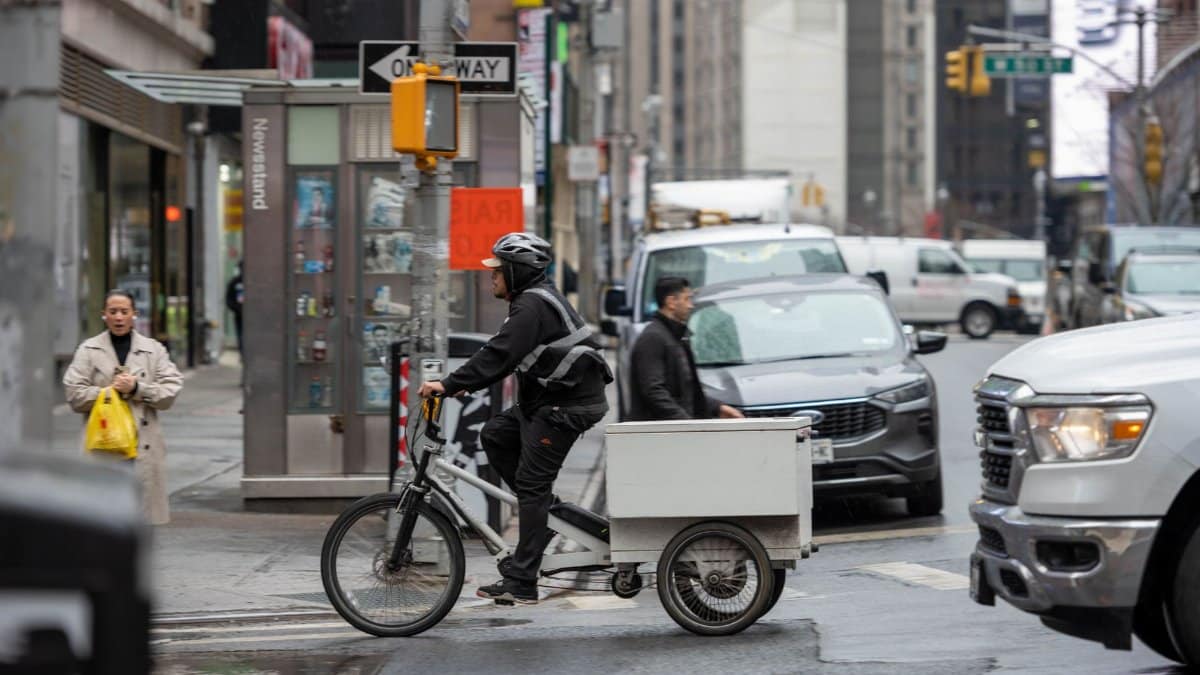
In the crowded avenues of Chicago commercial vans and trucks frequently encroach on spaces reserved for cyclists creating tension between rapid deliveries and safer commuting options. City officials responded with an automated monitoring effort focused on bike lane ticketing that has so far produced close to two point six million dollars in penalties. Large delivery firms account for a striking share of those citations highlighting ongoing friction in shared roadways where time pressures often override rules meant to protect vulnerable travelers.
Mechanics Behind the Automated Monitoring Effort

Cameras positioned along key corridors capture clear images of vehicles parked or moving through restricted zones. Software analyzes each frame to confirm violations before mailing notices to registered owners. This method reduces the need for officers to stand watch yet maintains consistent coverage across busy districts. Delivery schedules face added scrutiny because repeated stops for packages can trigger multiple recordings in a single shift.
Leading Companies Facing Repeated Penalties

Several national carriers appear at the top of violation lists according to city records. Their drivers handle high volumes of stops each day which increases the chance of brief encroachments while loading or unloading goods. Company spokespeople note that dense traffic and limited curb space contribute to the problem yet acknowledge the need for adjusted routes and driver training.
Effects on Daily Safety for Cyclists

Protected paths allow riders to travel with less fear of sudden door openings or abrupt lane changes from larger vehicles. Data from local advocacy groups shows fewer reported collisions in zones with active enforcement. Riders describe greater willingness to commute by bicycle when they see consistent monitoring that discourages illegal stops.
Revenue Flows and Municipal Budget Decisions

Funds collected through the program enter general transportation accounts where planners allocate resources for pavement repairs and new markings. Officials emphasize that the goal remains compliance rather than income generation though the sums involved have drawn attention during annual budget reviews. Some community members suggest directing a portion toward cyclist education campaigns.
Responses from Affected Businesses and Legal Steps

Delivery firms have filed challenges questioning the clarity of signage or the accuracy of camera timestamps in certain cases. Courts have upheld most citations while urging clearer pavement indicators to help drivers recognize boundaries. Training programs now include modules on recognizing restricted areas before shifts begin.
Comparisons with Similar Programs in Other Cities

New York and San Francisco operate parallel camera systems that also target commercial vehicles in bike lanes. Those efforts report comparable drops in violations after initial rollout periods. Chicago benefits from studying their adjustment phases to refine notification timing and fine amounts.
Public Views and Cyclist Community Feedback
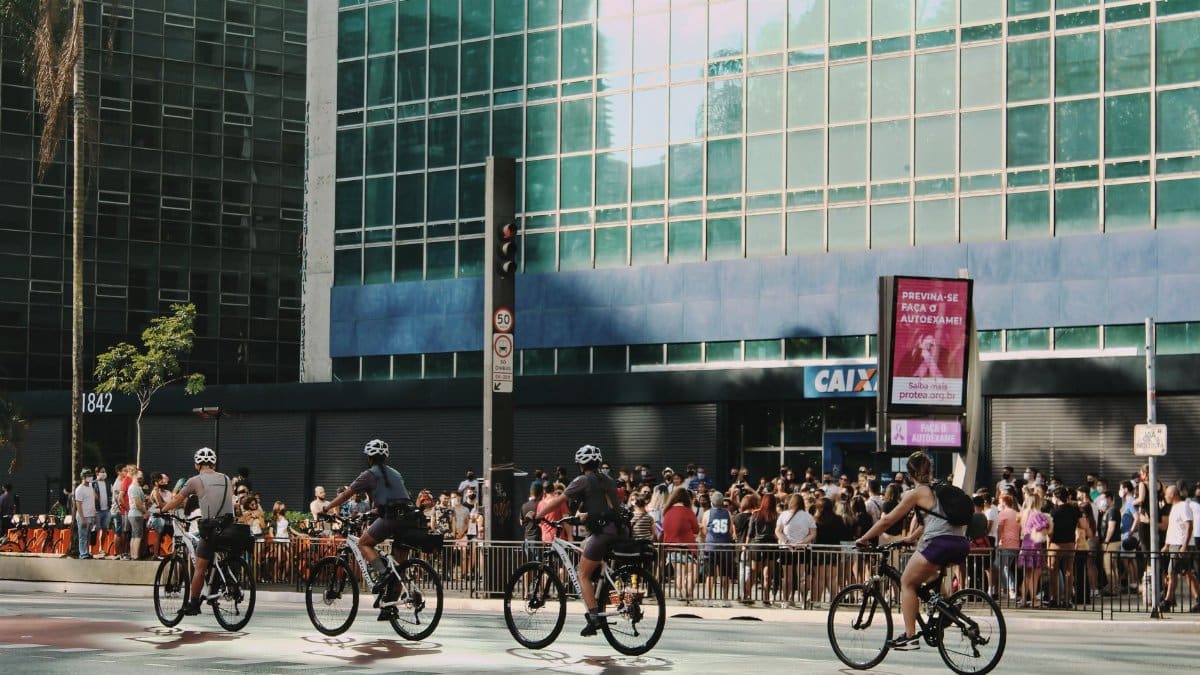
Surveys conducted by local universities reveal broad support for the monitoring approach among regular riders who cite improved peace of mind. Some residents worry about over enforcement in residential areas where brief stops may occur for legitimate reasons. Balanced discussion continues in neighborhood meetings.
Future Adjustments and Expansion Possibilities

Planners consider adding sensors at more intersections and integrating alerts into navigation apps used by delivery drivers. Such steps could reduce accidental violations while preserving the core purpose of keeping paths clear. Continued evaluation will determine whether the current fine structure achieves lasting behavioral change across the commercial sector.