

Chicago faces persistent challenges with its public transportation networks as commuters endure delays and unreliable service across the region. Recent leadership choices have intensified questions about priorities in governance. The establishment of a new oversight body offers a chance to tackle these problems head on, but selections for its leadership positions suggest a preference for familiar names from political circles. Brandon Johnson transit record reflects this pattern once more, favoring connections ahead of proven capability in the field.
Formation of the Northern Illinois Transit Authority
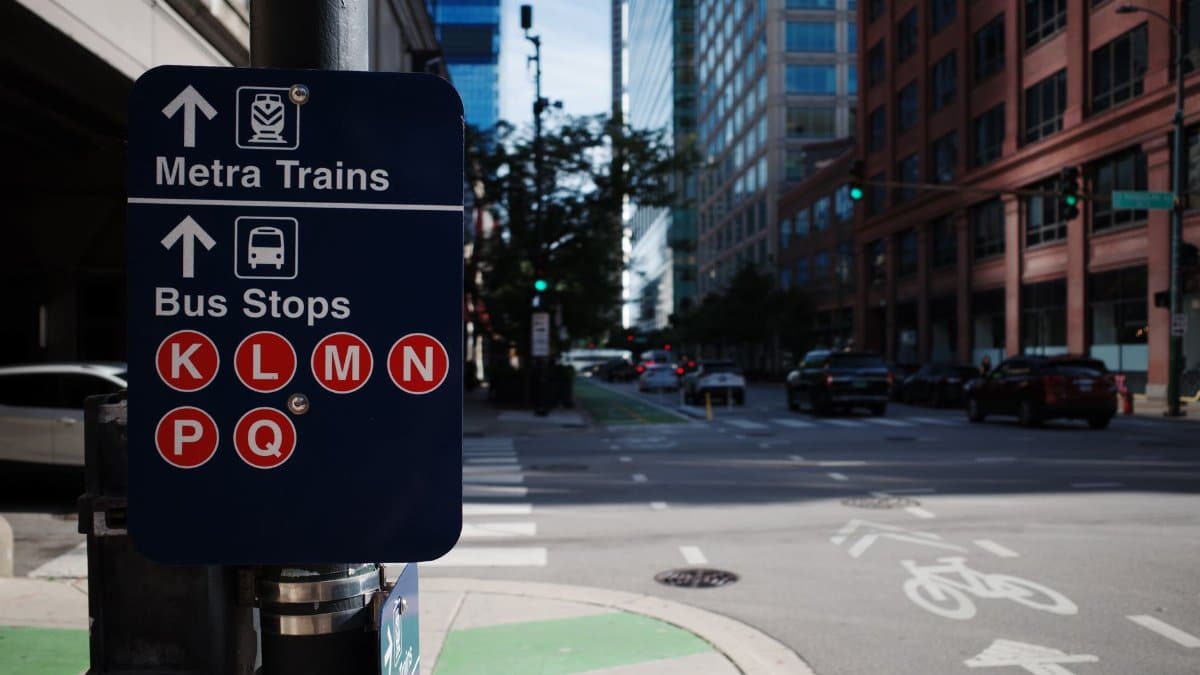
The new authority emerged from state legislation aimed at coordinating bus and rail services across multiple counties. Lawmakers envisioned a streamlined entity capable of securing federal funds and improving coordination. Yet the process of naming board members quickly became a point of contention among observers who track urban planning.
Selection Process Under Scrutiny

Appointments to the board followed a pattern seen in other city initiatives. Several individuals with ties to the mayor office received positions despite limited experience in transportation management. Critics argue this approach undermines the authority mandate to operate independently and focus on practical improvements.
Backgrounds of Appointed Members

Many chosen for the roles come from community organizations or campaign teams rather than agencies with operational expertise. This mix raises concerns about the board ability to navigate complex funding mechanisms and infrastructure projects that require technical insight.
Effects on Daily Commuters

Residents who rely on trains and buses for work and errands notice the consequences through continued service gaps. Without board members versed in scheduling or maintenance, progress on reliability may stall. Families in suburban areas express particular frustration over connections that fail to align with city routes.
Broader Pattern in City Leadership

Similar choices have appeared in other departments where political loyalty shaped key hires. This method can consolidate influence but often leaves specialized functions underprepared for demands like safety upgrades or expansion planning.
Comparisons With Past Governance Models

Earlier transit boards included engineers and finance specialists who brought measurable results in project delivery. Current selections diverge from that model, prompting discussions about whether the shift serves public needs or internal political goals.
Funding and Partnership Implications

Federal and state grants often require demonstrated competence in oversight. A board perceived as politically oriented could face hurdles when competing for resources against regions with more diverse expertise. Local advocates worry this dynamic will limit future investments in the system.
Reactions From Advocacy Groups

Organizations focused on mobility equity have voiced disappointment over the makeup of the authority. They call for additional voices with direct knowledge of rider experiences and system engineering to balance the current composition.
Potential Outcomes for Regional Growth

Transit improvements support economic activity by connecting workers to jobs and easing congestion. A board lacking depth in these areas might slow such benefits, affecting businesses that depend on efficient movement of people and goods throughout the area.
Calls for Greater Transparency

Watchdog entities suggest clearer criteria for future appointments to restore confidence. Public input sessions could help align board priorities with actual usage patterns reported by riders across neighborhoods.
Looking Toward Practical Reforms
Adjustments in how leaders assemble such bodies might yield stronger results over time. Emphasizing skills in logistics and budgeting alongside community ties could strengthen the authority capacity to deliver consistent service.