
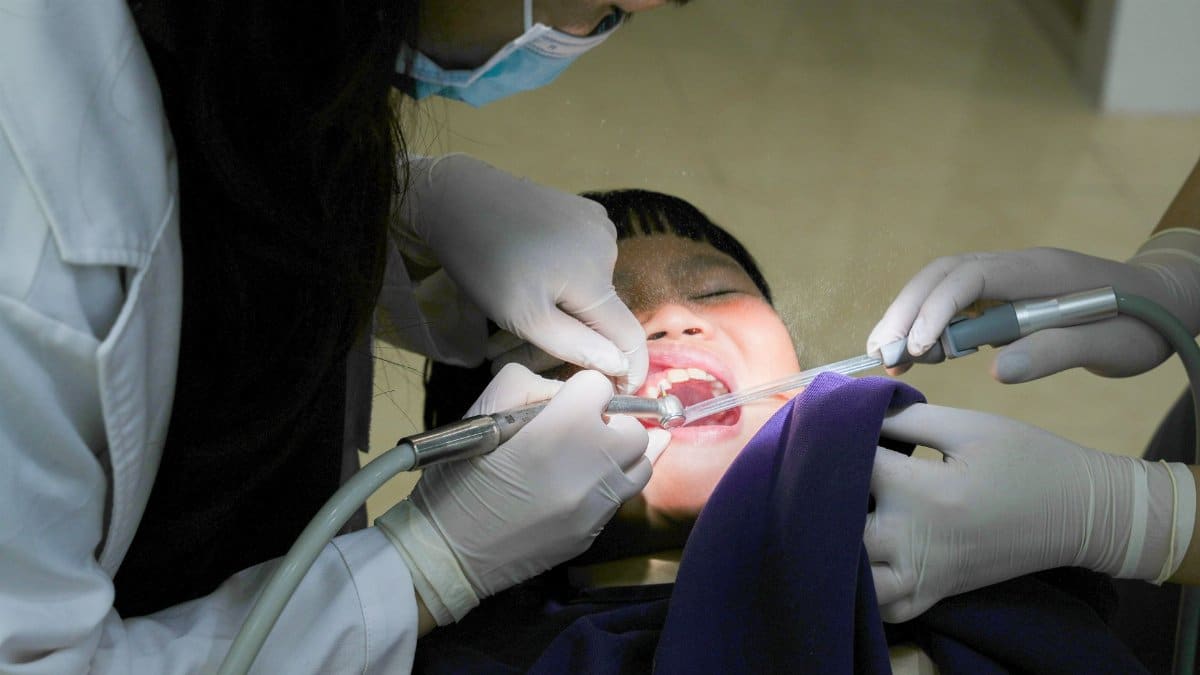
The recent events in Texas have brought attention to a troubling situation involving dental care for young patients. When a Dentist Arrest Fort Worth occurred following the tragic loss of a four year old during a routine procedure many began to question the safety protocols in place at clinics across the region. Families are now more vigilant about the risks associated with sedation in dental offices and the responsibilities that practitioners hold when treating children. This incident has prompted wider discussions on how medical facilities maintain standards and protect those in their care.
Background on the Fort Worth Practice

The dental office in question had operated for several years serving local families with various oral health needs. Staff members described a busy environment where appointments often included sedation for younger visitors to ease anxiety. Neighbors noted that the clinic appeared professional yet the arrest has altered perceptions of trust in such neighborhood establishments. Community members express concern over how oversight might have lapsed in daily operations.
Sequence of Events Leading to the Arrest

Authorities responded after reports of complications during a scheduled visit. The child had received sedation as part of the treatment plan but did not recover as expected. Investigators reviewed records and interviewed witnesses to piece together the timeline. This process resulted in charges against the practitioner highlighting gaps in emergency response measures at the facility.
Reactions from the Affected Family

The parents of the child have spoken publicly about their grief and desire for answers. They emphasize the need for accountability in cases where medical interventions go wrong. Support from friends and local groups has helped them navigate the initial shock while they seek justice through legal channels. Their story resonates with others who have faced similar uncertainties in healthcare settings.
Legal Steps Following the Dentist Arrest Fort Worth

Court documents outline the specific allegations tied to the procedure. Prosecutors argue that proper monitoring failed at critical moments. The defense maintains that all standard practices were followed yet unforeseen factors played a role. Hearings continue as both sides prepare arguments that could shape future regulations for sedation use.
Community Impact in the Local Area

Residents of Fort Worth have organized meetings to discuss pediatric dental safety. Parents share experiences and advocate for clearer guidelines on when sedation is appropriate. Local leaders encourage dialogue between medical professionals and families to rebuild confidence. The event serves as a reminder of the delicate balance between necessary care and potential hazards.
Broader Concerns in Pediatric Dentistry

Experts note that sedation carries inherent risks even when administered by trained staff. Training programs stress the importance of constant vigilance and backup plans. Incidents like this one fuel debates on whether additional certifications should be required nationwide. Parents are advised to inquire thoroughly about all aspects of proposed treatments before proceeding.
Ethical Reflections on Medical Responsibility

From a spiritual perspective such events invite contemplation on the duty of caregivers to act with compassion and precision. Faith communities often discuss how professionals can integrate moral principles into their work to prioritize life above all else. The arrest underscores the weight of decisions made in clinical environments where human vulnerability is most apparent.
Guidance for Parents Seeking Dental Care

Families are encouraged to research practitioners and ask detailed questions about sedation protocols. Observing office cleanliness and staff interactions can provide insight into overall quality. Seeking second opinions remains a prudent step when procedures involve young children. Awareness helps mitigate risks in an area where trust is essential.
Potential Changes in Regulatory Oversight

State boards may review current rules governing dental sedation in light of recent developments. Proposals include enhanced reporting requirements and periodic audits of clinics. Advocates push for resources that support both practitioners and patients in understanding these complex issues. Such measures aim to prevent future tragedies through proactive steps.