
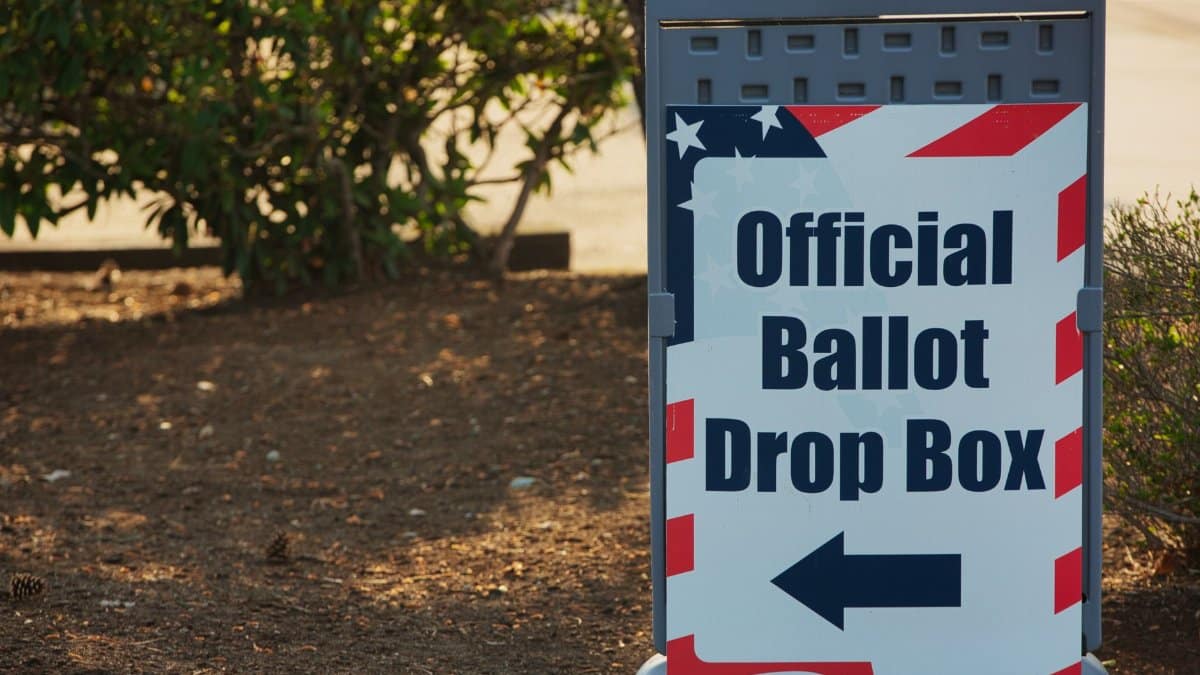
Philadelphia has long grappled with questions of daily security and the state of public areas. Many residents describe noticeable changes in how they move through the city after dark or during routine errands. The Parker Approval Poll captures these evolving views with data showing that a majority now associate the current administration with progress on key fronts while pinpointing areas still in need of attention.
Perceptions of Safety Across City Neighborhoods
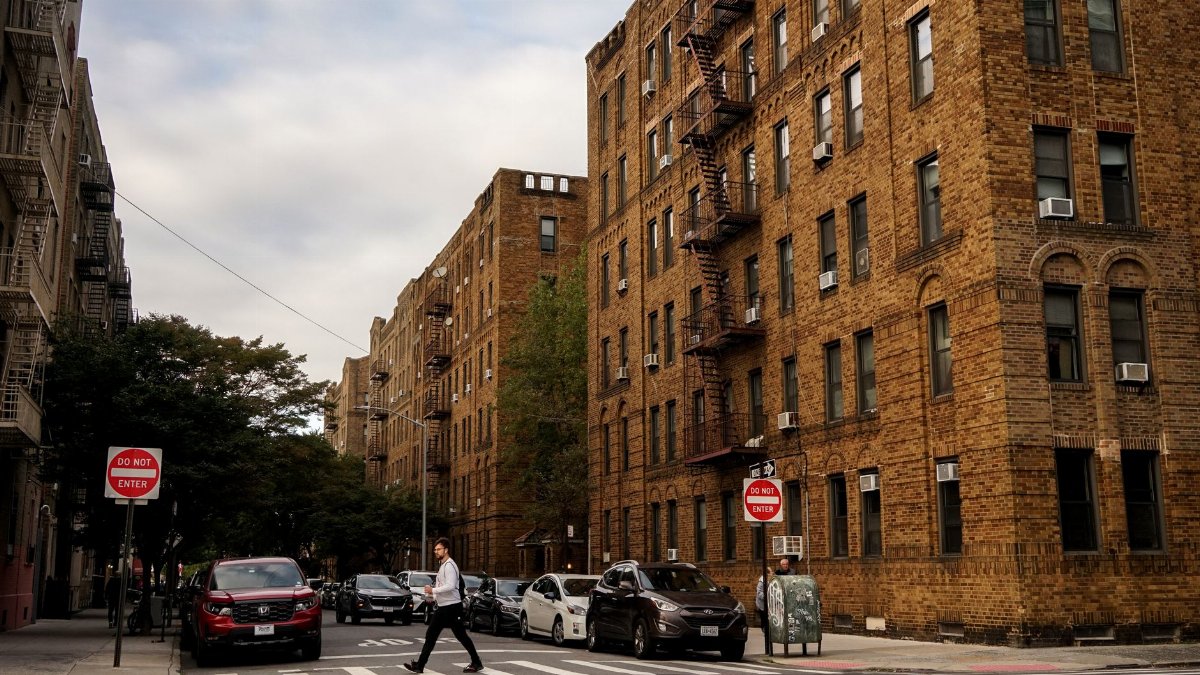
Survey responses indicate that people in various districts feel an increased sense of protection compared with earlier periods. This shift appears tied to visible police presence and community programs aimed at reducing disorder. Local leaders point to coordinated efforts that address both major incidents and smaller quality of life matters.
Progress on Street Cleanliness and Public Spaces
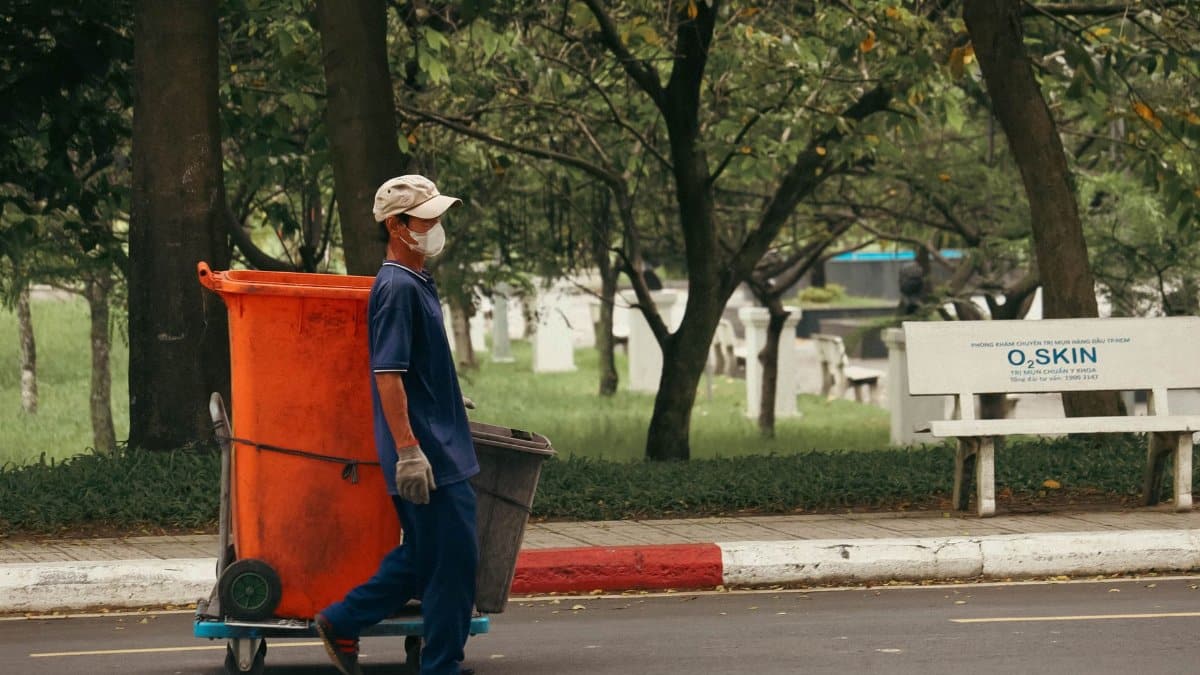
Participants in the Parker Approval Poll frequently mention cleaner sidewalks parks and transit hubs as reasons for renewed optimism. City crews have expanded their reach with regular pickups and maintenance that residents say make daily life more pleasant. These changes contribute to a broader sense that municipal services are responding to citizen feedback.
Persistent Worries About School Quality

Despite gains elsewhere education stands out as the leading area of concern in feedback collected. Families express frustration over facility conditions teacher shortages and uneven academic results. Officials acknowledge the need for sustained investment yet note that budget constraints continue to limit rapid fixes.
Comparing Views to Earlier City Leadership

Many respondents draw contrasts with prior terms when discussing current conditions. The Parker Approval Poll shows higher marks for responsiveness on crime and sanitation than in recent memory. This pattern suggests that incremental policy adjustments have registered with the public even if challenges remain complex.
Effects on Local Commerce and Daily Routines
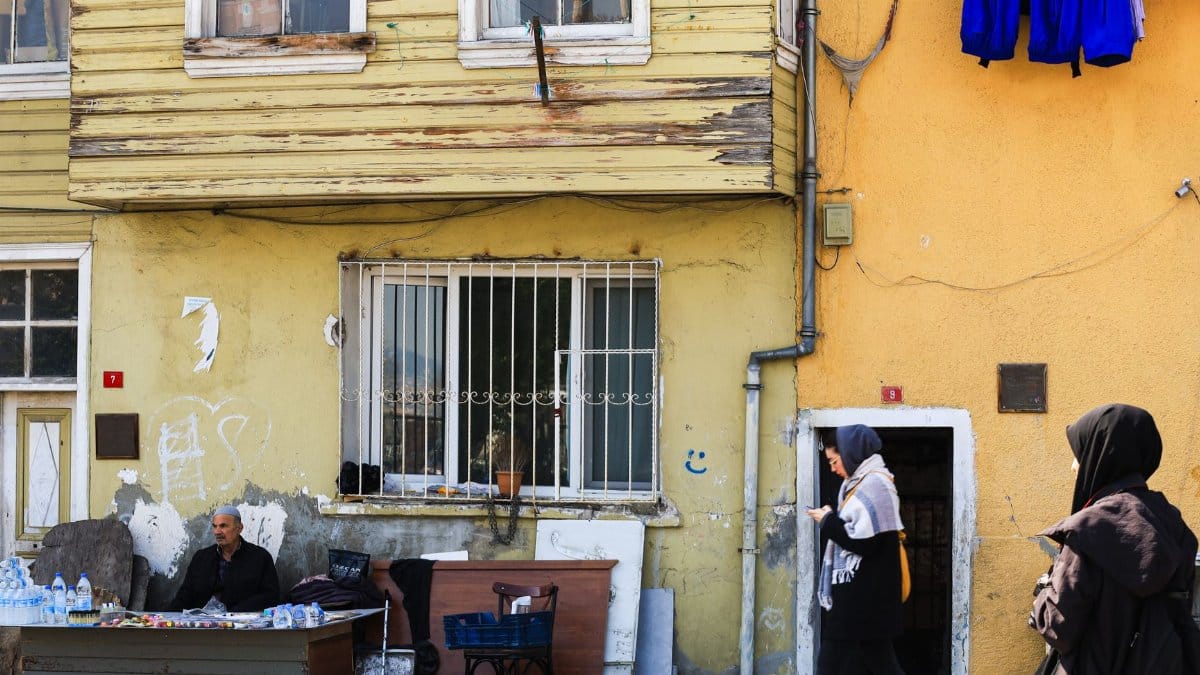
Business owners report steadier foot traffic in commercial corridors where safety perceptions have improved. Shopkeepers describe fewer incidents of vandalism and more willingness among customers to linger after normal hours. Such developments support modest economic activity without requiring dramatic overhauls.
Community Voices Behind the Numbers

Interviews with longtime residents reveal personal stories of adjusted habits such as evening walks or use of public transit. These accounts align with aggregate findings from the Parker Approval Poll and illustrate how abstract statistics translate into lived experience. Diverse age groups and backgrounds contribute to a rounded picture of approval levels.
Role of Opinion Surveys in Shaping Policy
Regular polling like the Parker Approval Poll provides elected officials with direct insight into voter priorities. Analysts note that such tools help refine strategies on resource allocation and communication. When results are released they often spark public discussion that influences upcoming budget decisions.
Looking Ahead at City Governance Challenges

While current trends appear favorable continued attention to education and housing affordability will determine long term stability. The Parker Approval Poll serves as one indicator among several that city managers monitor closely. Observers expect further refinements as new data arrives and resident input accumulates.