
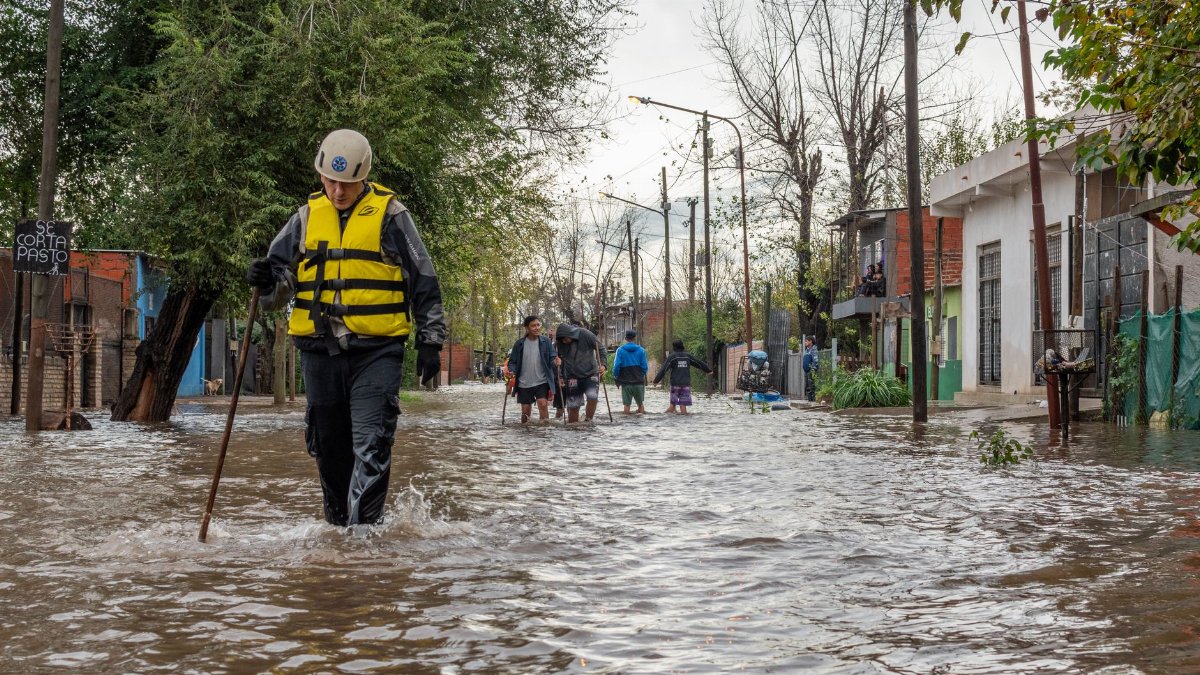
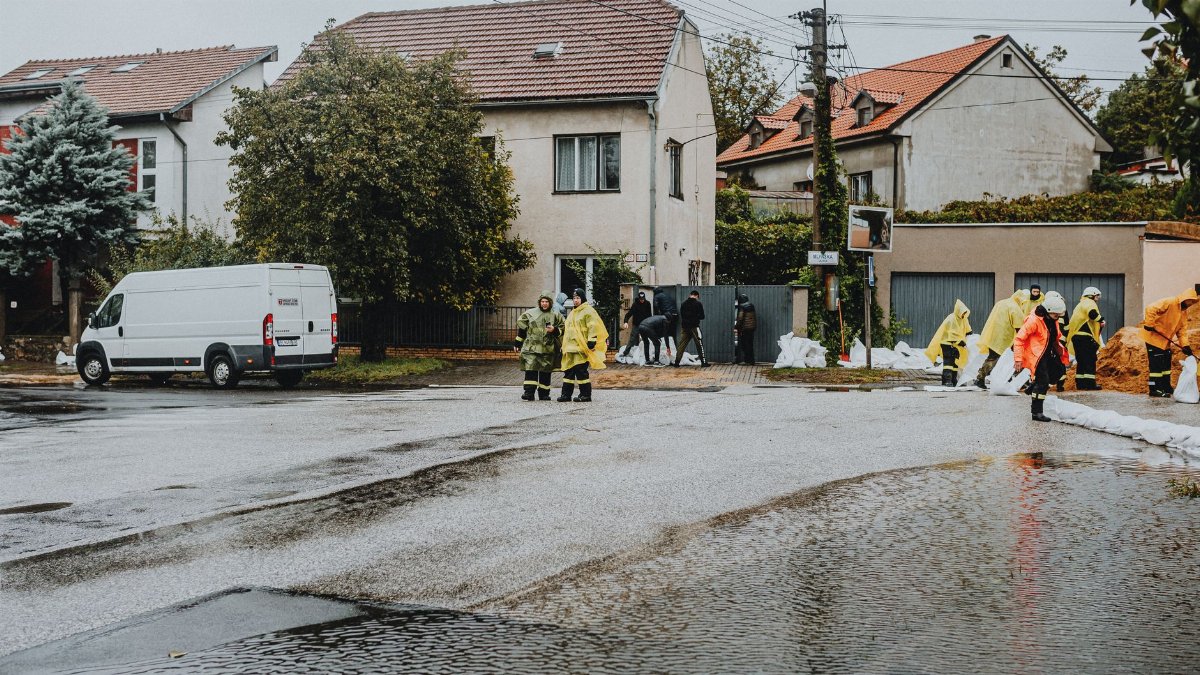
Recent heavy rainfall has triggered widespread flooding in several Texas regions leading to urgent evacuations and tragic loss of life. Authorities report that Texas Flooding has claimed at least one victim while displacing numerous families from their residences amid rising waters and damaged infrastructure. Communities are coming together to support one another during this challenging period as rescue teams work tirelessly to ensure safety for all affected individuals. The situation highlights the power of nature and the importance of preparedness in areas prone to such events. Residents describe scenes of swift currents carrying away belongings and vehicles while officials coordinate from command centers to reach those stranded.
Effects on Rural Areas
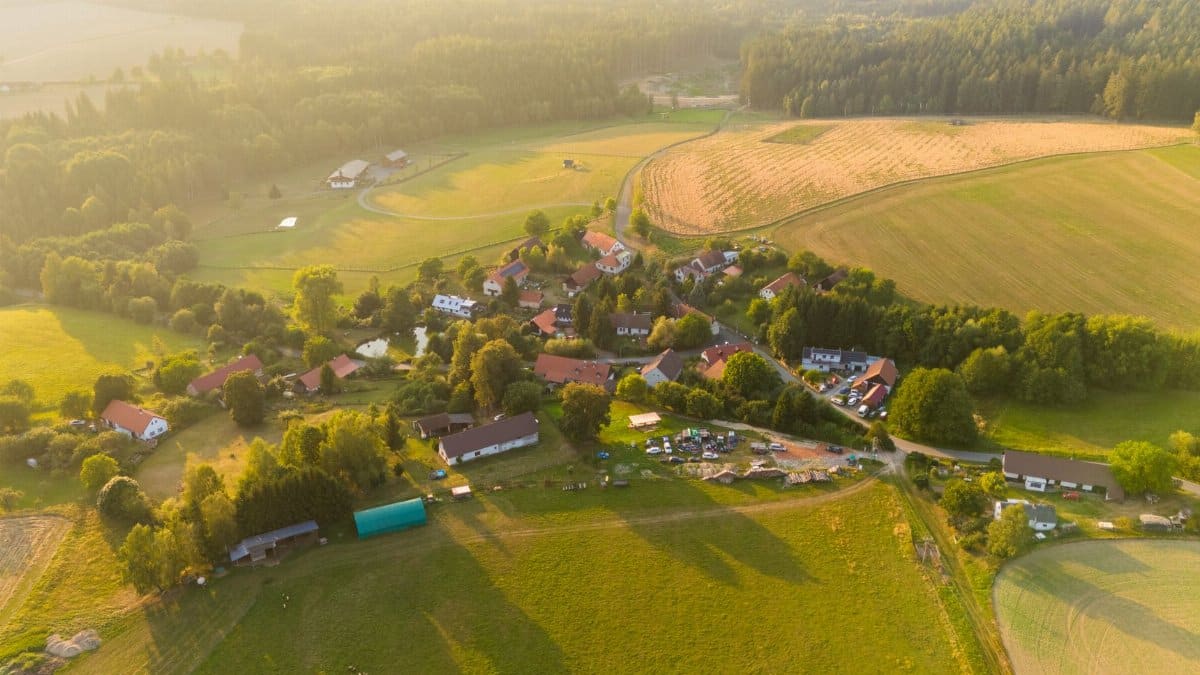
Small towns far from urban centers face unique difficulties when waters rise quickly. Farms and ranches suffer from soil erosion and lost livestock making recovery a slow process that can stretch for months. Families in these isolated spots often rely on neighbors for initial aid before larger organizations arrive with supplies.
Emergency Response Efforts

State and local teams have mobilized boats and helicopters to perform rescues around the clock. Coordination between agencies allows for rapid assessment of flooded zones and deployment of resources where needed most. Volunteers play a key part by providing meals and shelter to those forced from their homes.
Role of Local Faith Groups
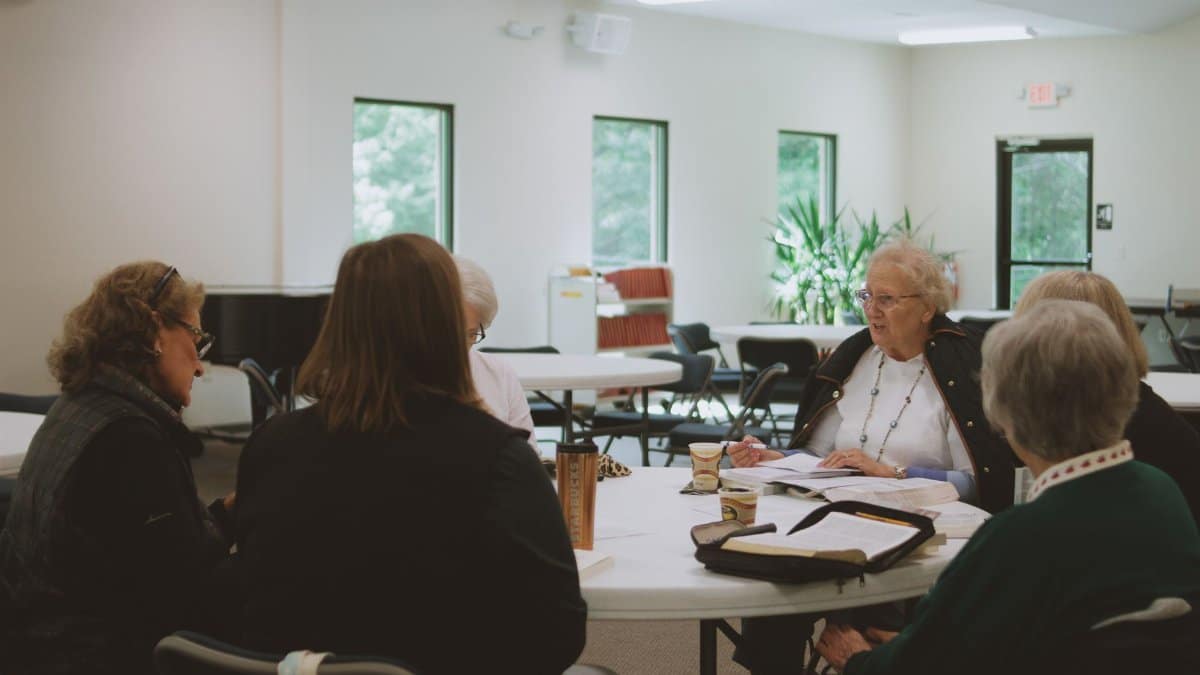
Churches and spiritual centers open their doors as temporary havens offering not just physical comfort but also emotional support through prayer gatherings and counseling sessions. These places become hubs for donations and information sharing helping residents maintain hope amid uncertainty.
Long Term Recovery Challenges

Rebuilding homes and roads requires sustained funding and labor that tests the patience of everyone involved. Insurance claims and government assistance programs move forward at varying speeds leaving some families in limbo for extended periods. Community leaders emphasize unity as essential for overcoming these hurdles.
Environmental Factors Contributing
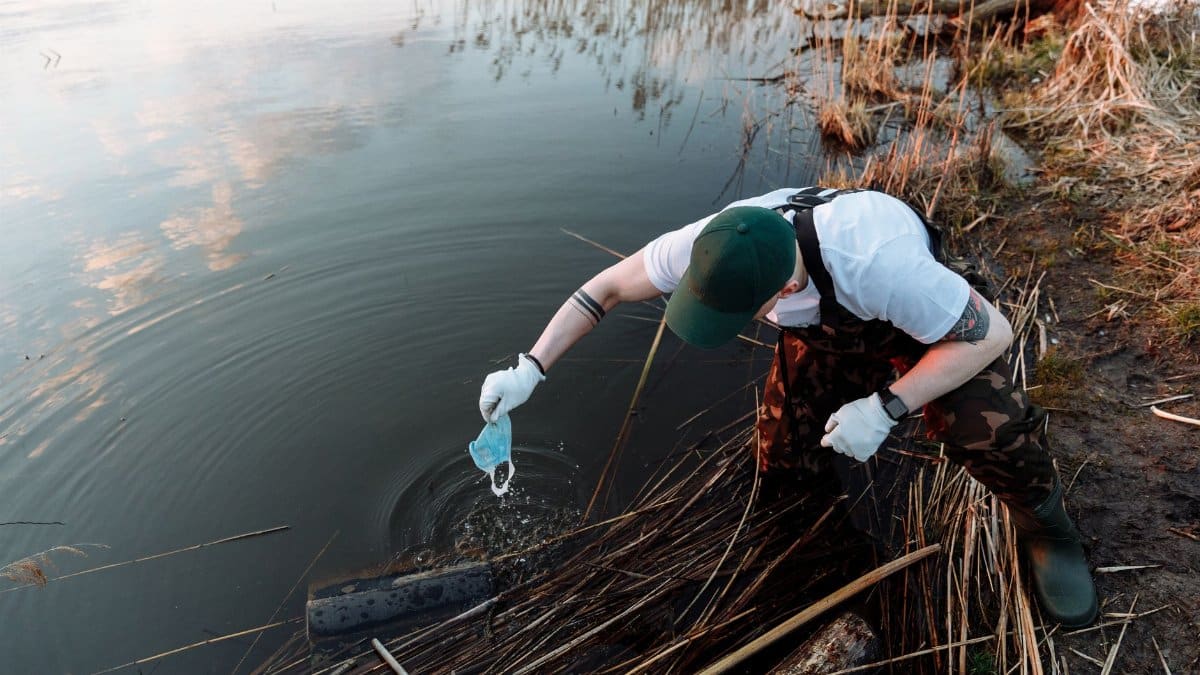
Intense storms fueled by shifting weather patterns deliver massive amounts of rain in short bursts overwhelming natural drainage systems. Soil saturation from prior seasons exacerbates the runoff turning normally manageable creeks into raging torrents that reshape the landscape.
Government Actions and Policies

Officials at multiple levels review current flood control measures to identify gaps exposed by recent events. Proposals for improved warning systems and infrastructure upgrades gain attention as lawmakers seek to reduce future risks through targeted investments.
Stories from Survivors

One family recounts escaping with minutes to spare as water entered their living room carrying away irreplaceable photos and documents. Another group of neighbors formed a human chain to help elderly residents reach higher ground demonstrating quiet courage in the face of danger.
Future Preparedness Measures
Education campaigns encourage households to assemble emergency kits and practice evacuation routes regularly. Meteorologists stress the value of monitoring forecasts closely during storm seasons to allow early action that can save lives and property.