
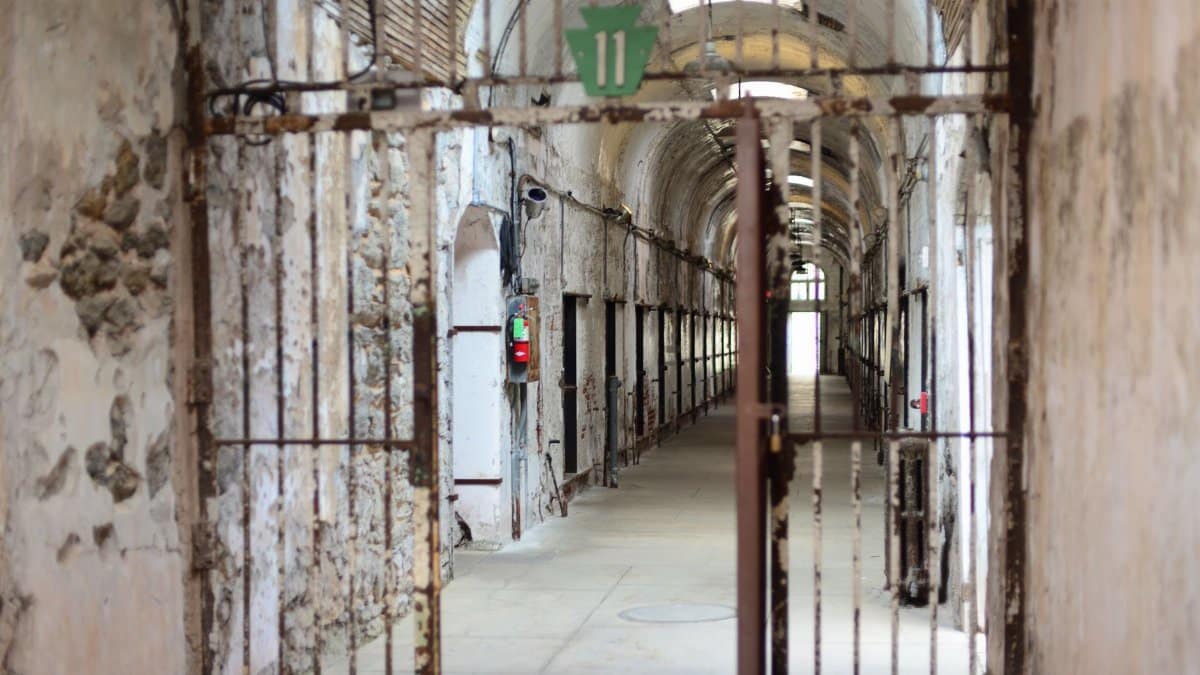
In the heart of Philadelphia a sudden shift unfolded at a key historical site where the past meets public memory. Overnight workers removed detailed panels on slavery and replaced them with broader statements that downplayed the lives of those held in bondage. This change touched the Presidents House Exhibits directly and sparked fresh debate over how national stories get told. Observers noted the timing after a legal challenge and wondered what the new approach means for visitors seeking a full account of early American leadership and its human costs. The move reflects ongoing tensions between preservation and reinterpretation in public spaces dedicated to the founding era.
Origins of the Site and Its Displays
The location served as the executive mansion for George Washington during his presidency in the 1790s. Enslaved individuals worked there under laws that allowed the practice in the new capital. Early exhibits aimed to show both the official functions of the house and the daily realities faced by those without freedom. Over time planners added more layers to reflect research on African American experiences at the property.
Details of the Recent Alterations
Workers arrived late one evening and swapped out several large panels. The original material described specific individuals such as Ona Judge and her efforts to seek liberty. New text focuses on general themes of labor and household operations without naming the people involved or their conditions. Officials cited space needs and updated scholarship as reasons though no public review period preceded the action.
Legal Steps Leading to the Swap
A court case brought by historical groups challenged the prior setup for lacking balance. The administration responded by directing the National Park Service to revise content quickly. Records show internal memos called for emphasis on unity and achievement rather than division. The process bypassed usual consultation with scholars and community advisors who had helped shape earlier versions.
Reactions from Historians and Locals
Scholars who studied the site expressed concern that key facts now sit hidden from view. Some residents of Philadelphia organized gatherings outside the property to discuss the implications. Others welcomed the shift as a return to core patriotic narratives. The divide mirrors larger national conversations about how institutions present uncomfortable elements of the past.
Role of the National Park Service
Staff at the agency carried out the physical changes under orders from higher levels. Training materials for guides were also updated to align with the new panels. Park rangers noted that visitor questions have increased since the switch though responses remain scripted to avoid older details. The agency maintains that all revisions stay within its mission to inform without judgment.
Broader Context of Exhibit Changes Nationwide
Similar adjustments have occurred at other federal properties in recent years. Managers cite evolving research and the need to appeal to wider audiences. Critics argue the pattern reduces complexity in favor of simpler accounts. In Philadelphia the scale of the Presidents House Exhibits makes the impact especially visible to the many tourists who pass through each season.
Visitor Experiences Before and After
Previous layouts guided people through rooms with quotes from primary documents about daily routines and escapes. Current versions offer shorter descriptions and larger images of the building itself. Families report that children ask fewer questions now while some adults leave with a sense that more remains untold. Attendance numbers have stayed steady so far.
Future Possibilities for the Space
Advocates continue to push for restored elements through petitions and meetings with officials. The site sits within Independence National Historical Park where long term plans could allow further adjustments. Discussions include digital additions that might provide extra context without altering physical panels. Observers expect the debate to continue as new administrations take shape.