
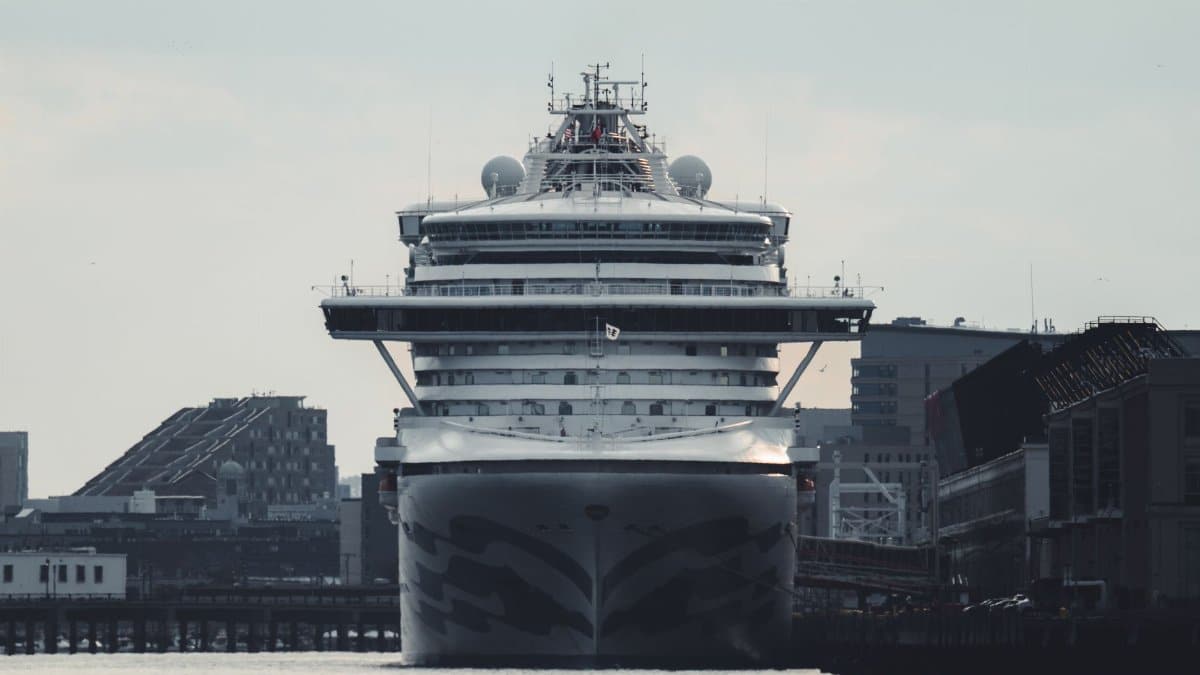
A routine arrival at the port turned unsettling when federal authorities moved swiftly to address allegations against a crew member, underscoring how the Seattle Cruise Ship Charge has drawn fresh attention to accountability at sea. The case unfolded after a large vessel reached the city waterfront, prompting an FBI inquiry that led to formal accusations in court. Readers across the country have followed similar incidents with concern, wondering how such events affect perceptions of leisure travel and the people who make it possible. This development arrives amid broader conversations about safety protocols and legal jurisdiction in international waters.
Background of the Incident at the Waterfront
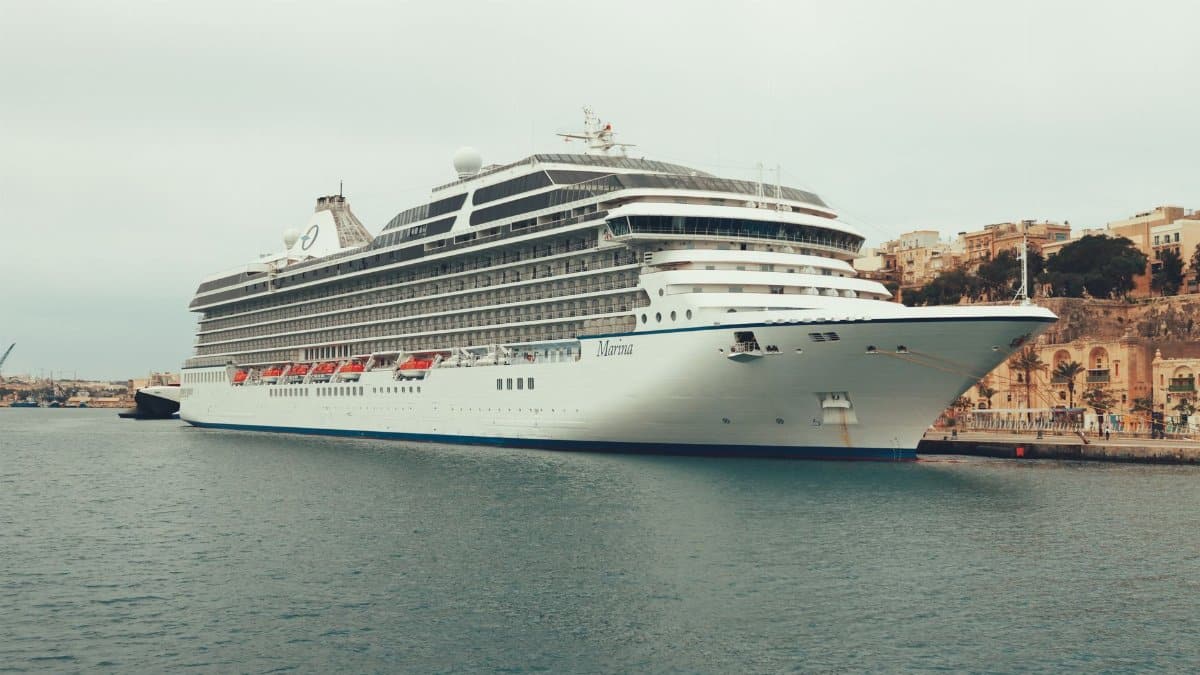
The vessel had completed a multi day journey along the Pacific coast before tying up at a busy terminal. Passengers disembarked as usual while investigators boarded to speak with staff and review records. Court documents indicate the charge centers on events reported during the voyage, leading to an arrest once the ship reached American soil.
Role of Federal Authorities in Maritime Cases
Because the alleged conduct occurred on a ship registered abroad yet docked in a major American city, jurisdiction fell to federal prosecutors. Agents gathered statements from multiple witnesses and examined digital logs to build their case. This process highlights the unique challenges of policing behavior that crosses state and national lines.
Impact on Passengers and Crew Dynamics

Those who had enjoyed the trip found themselves answering questions from officials instead of heading straight to hotels or onward flights. Crew members described a sudden shift in atmosphere as colleagues were questioned and routines suspended. The episode serves as a reminder that every voyage involves hundreds of individuals whose conduct can affect the entire group.
Legal Framework Governing Cruise Operations
American law applies once a foreign flagged ship enters a domestic port, allowing charges even if the events took place far from shore. Defense attorneys often argue about the reliability of evidence collected at sea, while prosecutors emphasize victim statements and supporting materials. The Seattle Cruise Ship Charge illustrates how these overlapping rules come into play.
Public Reaction and Media Coverage Patterns

Local outlets reported the filing of charges within hours, sparking online discussion about traveler safety. Some commentators called for stricter screening of employees, while others noted that isolated incidents should not overshadow an industry that carries millions without issue. Families planning future trips expressed a mix of reassurance that action was taken and unease about unknown risks.
Industry Standards for Employee Conduct

Cruise lines maintain codes of behavior and conduct training for staff, yet enforcement depends on reporting mechanisms that may vary by company. Unions representing workers point out that long contracts at sea can strain personal boundaries and mental health. The current matter may prompt renewed scrutiny of how those standards are upheld in practice.
Historical Precedents in Port Cities
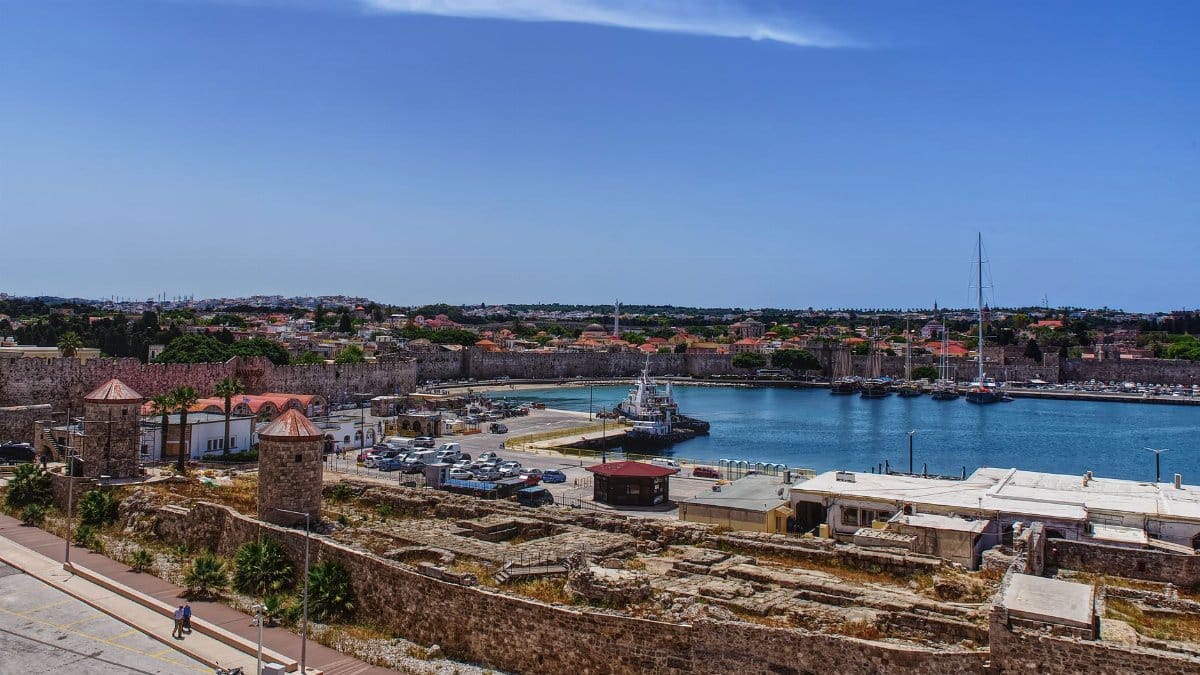
Seattle has seen occasional cases involving maritime personnel over the years, each raising questions about coordination between port police and federal agencies. Past outcomes have ranged from swift plea agreements to lengthy trials that tested the limits of evidence gathered aboard moving vessels. Observers note that geography makes the city a frequent first stop for vessels from Asia and Alaska routes.
Support Services for Those Affected

Victim advocacy groups have urged cruise operators to expand access to counseling once allegations surface. Hospitals near the terminal sometimes receive referrals for immediate care, and legal aid organizations stand ready to assist with protective orders if needed. These resources become especially important when travelers are far from home and support networks.
Economic Context of the Local Port Economy
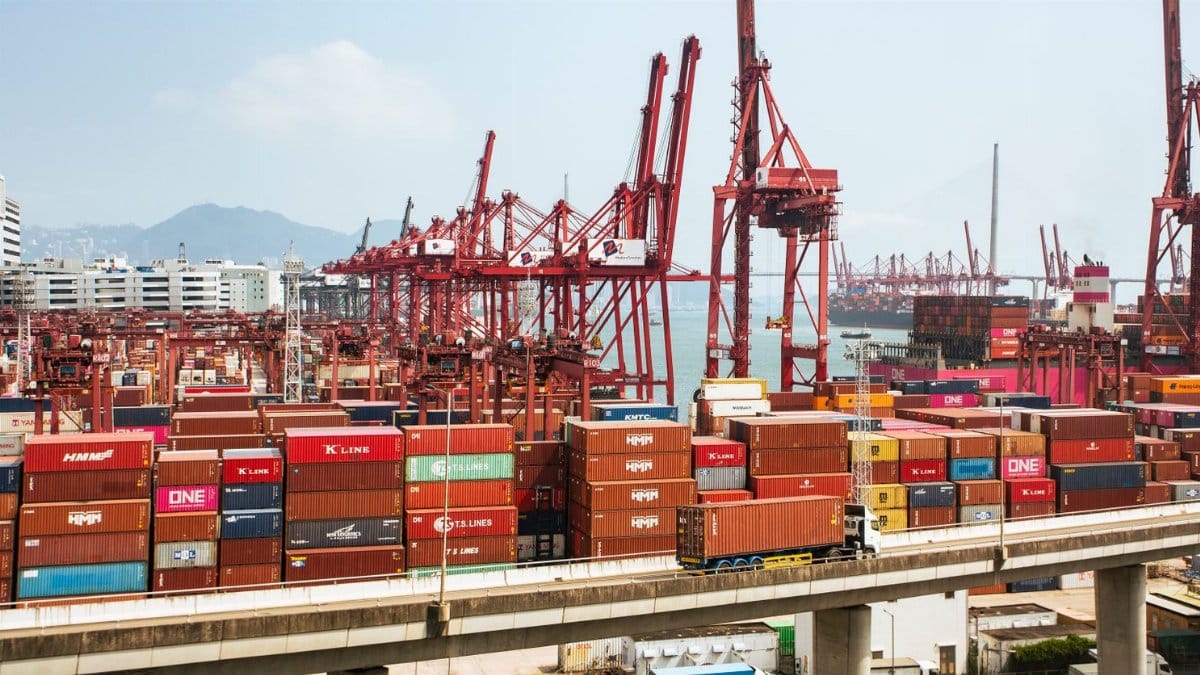
The waterfront generates substantial revenue through tourism, cargo handling, and related services, yet high profile charges can influence public confidence. Business leaders emphasize that most visits proceed without incident and that swift legal responses help preserve the city reputation. Still, the Seattle Cruise Ship Charge arrives at a time when the region seeks to balance growth with community concerns.
Future Policy Considerations for Regulators

Lawmakers may examine whether additional reporting requirements or data sharing agreements could improve response times in similar situations. International treaties already address some aspects of shipboard crime, but gaps remain when victims and witnesses disperse after a voyage ends. Continued dialogue among governments, companies, and advocacy organizations appears likely.