
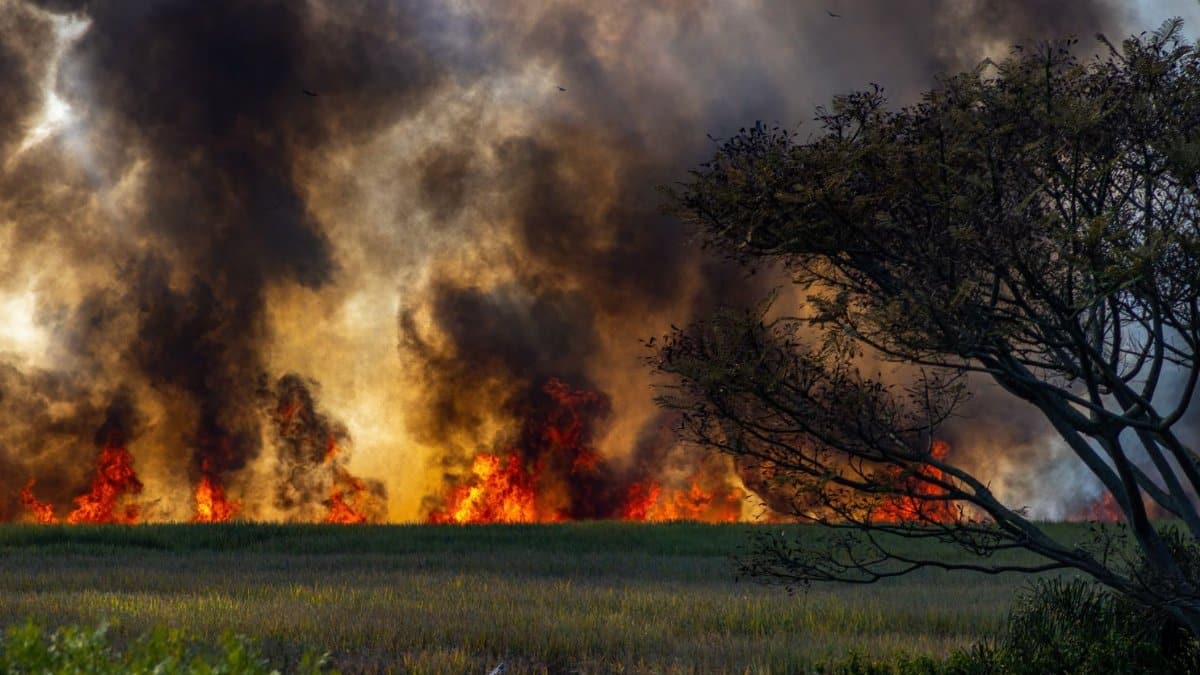
In the midst of an unusually warm July, skies over the Twin Cities and surrounding regions took on an eerie gray cast that lingered for days. Residents stepped outside to find the air thick and the sun dimmed to a pale orange disk, a direct result of distant blazes sending vast plumes southward. This development brought Minnesota Wildfire Smoke into homes and workplaces with unusual intensity, triggering air quality warnings that covered nearly the entire state while excessive heat advisories remained in effect.
Tracing the Path of Smoke from Northern Fires
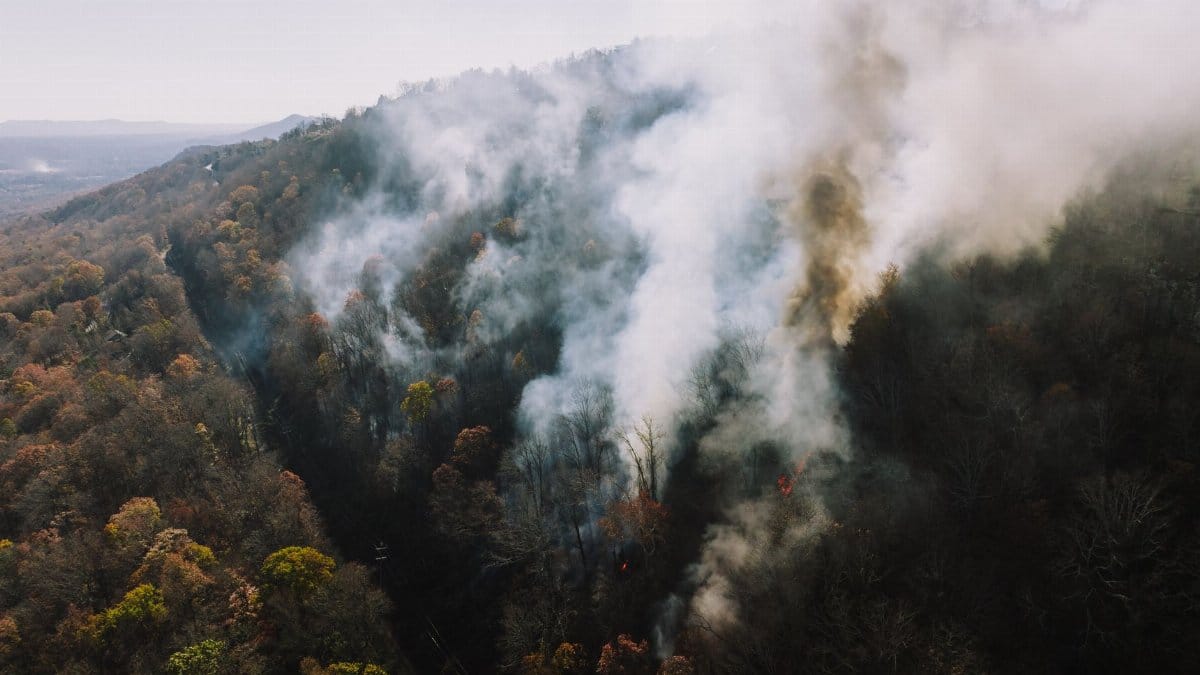
Winds carried particles from Canadian provinces and parts of the western United States across the border, concentrating them above Minnesota. Meteorologists noted that stable atmospheric conditions prevented the usual dispersion, allowing concentrations to build to levels never recorded in state monitoring history. Communities from Duluth to Rochester reported reduced visibility and a persistent odor that clung to clothing and furniture.
Health Effects Felt Across Age Groups

Doctors in urban clinics and rural practices alike described a surge in patients complaining of irritated eyes, scratchy throats, and shortness of breath. Older adults with preexisting lung conditions faced the greatest risks, prompting hospitals to issue extra guidance on limiting outdoor time. Children participating in summer sports found practices moved indoors or canceled altogether as particulate readings climbed.
Strain on Local Healthcare Systems

Emergency rooms prepared for an uptick in asthma attacks and related complaints, with some facilities extending hours to accommodate demand. Public health departments distributed masks and air purifiers to vulnerable households, drawing from stockpiles assembled after earlier smoke events. The added pressure highlighted gaps in preparedness for prolonged exposure periods.
Economic Disruptions in Outdoor Industries
Construction crews, landscapers, and agricultural workers adjusted schedules or halted operations during peak smoke hours to protect crews. Tourism operators near lakes and trails saw cancellations as visitors reconsidered plans involving extended time outside. Local businesses that rely on foot traffic reported slower sales while indoor alternatives gained unexpected favor.
Community Responses and Adaptation Measures

Libraries and community centers opened cooling and filtration spaces where residents could gather safely during daylight hours. Schools revised recess policies and encouraged families to monitor home air quality with inexpensive sensors. Volunteer networks coordinated deliveries of supplies to those without reliable transportation or resources.
Reflections on Human Connection to Changing Seasons

Many long time residents described a quiet unease as familiar summer rhythms gave way to caution and confinement. The experience prompted conversations about stewardship of the land and the shared atmosphere that connects distant regions. Some found solace in quiet moments of contemplation, recognizing both fragility and resilience in the face of forces larger than any single community.
Policy Discussions at State and Federal Levels
Lawmakers considered updates to air quality standards and interstate coordination for smoke monitoring. Funding proposals emerged for expanded research into fire prevention and rapid response protocols. Advocates pressed for greater investment in clean energy transitions that might reduce the conditions fueling extreme fire seasons.
Looking Ahead to Future Seasons
Scientists emphasized that patterns observed this summer could recur without broader changes in land management and emissions. Forecasts suggest continued monitoring will remain essential as climate variables evolve. Residents, meanwhile, are weighing personal steps such as home filtration upgrades and emergency kits tailored to air events.