

In daily routines across cities and suburbs, individuals reach for music not merely as background noise but as a mirror to their inner worlds. Recent findings from an international study show that extraverts often favor lively group settings for tunes while introverts and those high in neuroticism lean toward private moments with melodies. This pattern points to what researchers term Music Listening Personality, a framework that ties core traits to the contexts people choose for their listening.
Extraversion and the Pull of Collective Listening

People scoring high on extraversion tend to seek out music in social environments such as parties or live events. The energy from others amplifies their enjoyment and turns listening into a shared activity rather than a solo pursuit. Surveys in the study linked this preference to broader patterns of social engagement that define extraverted lives.
Introverts and the Comfort of Private Soundtracks
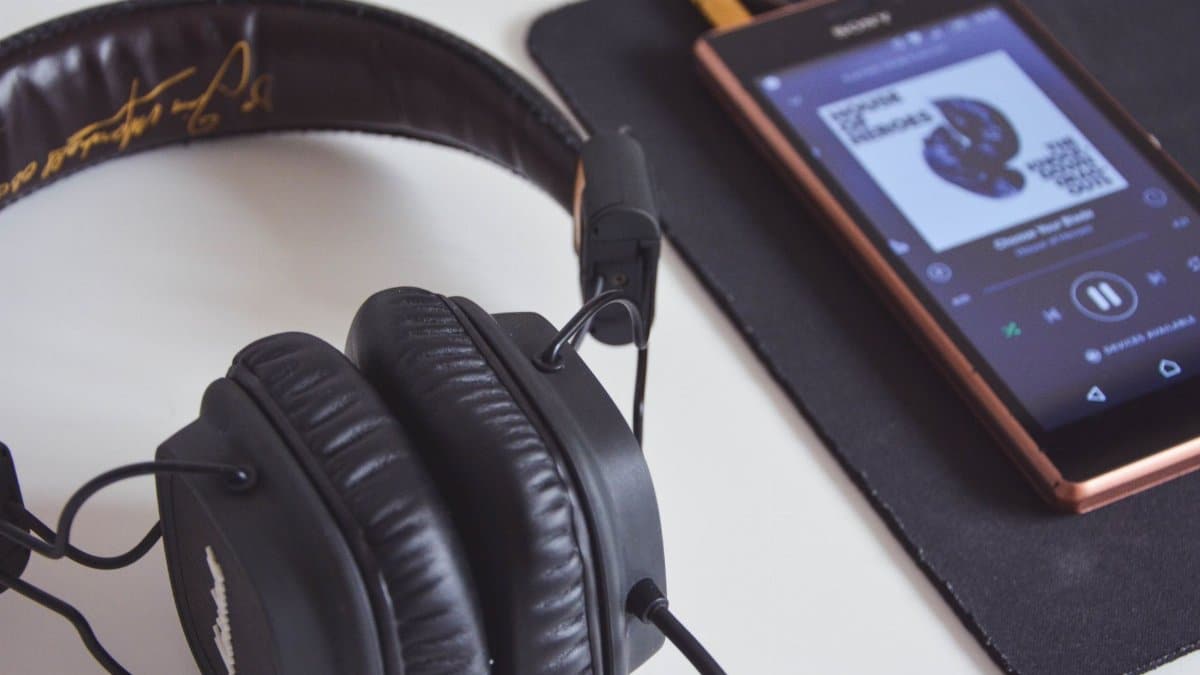
Those on the opposite end of the spectrum often select solitary conditions for their music. Headphones during a solo walk or quiet evenings at home allow deeper immersion without external distractions. The research indicates this choice aligns with a need for reflection that many introverts report as essential to their well being.
Neuroticism and the Search for Emotional Solace

Individuals with elevated neuroticism scores showed a marked tendency to listen alone, possibly as a way to manage fluctuating moods. Music in isolation provides a controlled space for processing feelings that might overwhelm in group settings. Data from multiple countries supported this connection between emotional sensitivity and private habits.
How Openness Shapes Musical Exploration

Openness to experience emerged as another key factor, with high scorers drawn to diverse genres regardless of setting. Their Music Listening Personality often involves experimentation that broadens tastes over time. This trait encourages trying new artists or formats that others might overlook.
Conscientiousness and Structured Listening Routines

Listeners high in conscientiousness frequently establish regular schedules for their music, such as dedicated evening sessions or curated playlists. The study found these habits reflect a general preference for order that extends into leisure choices. Such structure can enhance satisfaction derived from each listening experience.
Agreeableness in Collaborative Music Moments

Agreeable personalities appear more willing to adapt their listening to accommodate others, whether selecting tracks for a car ride or attending concerts chosen by friends. This flexibility fosters harmony in shared spaces and reveals how interpersonal warmth influences musical decisions.
Age and the Evolution of Listening Preferences

Middle aged adults in the sample displayed shifts in their Music Listening Personality compared with younger groups. Life stages involving career demands or family responsibilities often prompt more deliberate choices about when and with whom to engage with music.
Cultural Influences Across Borders

Variations appeared by region, with collectivist societies showing stronger social listening trends overall. Yet personality traits still predicted individual deviations within those cultures, underscoring the universal role of personal disposition.
Practical Ways to Align Music with Your Traits
Recognizing these patterns allows people to adjust their habits for greater fulfillment. An extravert might plan more group outings while an introvert could safeguard time for quiet appreciation. The original study offers guidance through its detailed trait mappings.