

In recent years a surge in mobile applications has transformed how people engage with forecasts and wagers. These platforms allow users to place bets on outcomes ranging from sports events to political developments with unprecedented ease. One emerging category known as Prediction Gambling Apps has captured significant attention among tech savvy consumers seeking quick thrills through data driven decisions. Observers note that the convenience of these tools may encourage repeated engagement far beyond traditional betting limits.
Expansion of Accessible Wagering Tools

Mobile technology continues to reshape daily habits across many sectors and gambling stands out as a prime example. Developers design interfaces that simplify complex predictions into quick taps on a screen. Users report spending more time on these apps than they initially intend partly because notifications arrive at all hours. Mental health experts observe patterns where casual interest evolves into more compulsive checking of results and odds.
Psychological Pull of Constant Forecasts
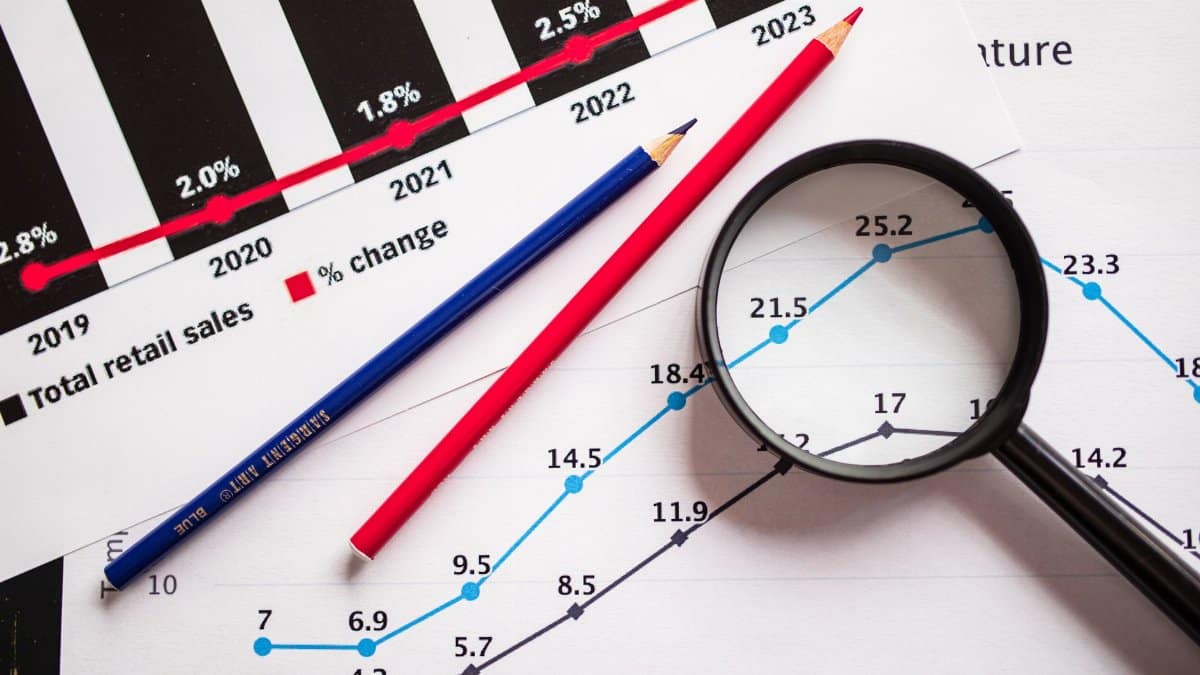
The human tendency to seek patterns finds fertile ground in environments filled with live updates and statistics. Prediction Gambling Apps feed this impulse by presenting endless streams of data that feel actionable. Professionals in psychology point out that such continuous feedback can heighten arousal and make it harder to step away even when losses mount. Studies from organizations focused on behavioral health highlight similar dynamics in other digital activities.
Regulatory Gaps in Emerging Markets

Lawmakers in several states struggle to keep pace with the speed of app development and deployment. Existing rules often target older forms of gambling and leave newer prediction formats in a gray area. Industry representatives argue that self regulation suffices yet consumer advocates call for clearer age verification and spending caps. Without updated frameworks some users may encounter fewer safeguards than they expect.
Impact on Everyday Financial Decisions

Frequent small wagers can accumulate into noticeable sums over weeks or months. Families sometimes discover that funds intended for routine expenses have been redirected toward prediction activities. Financial counselors recommend setting strict boundaries and tracking all transactions through separate accounts. Awareness of these patterns helps individuals recognize when entertainment crosses into something more concerning.
Role of Social Features in User Retention

Many applications incorporate leaderboards and shared prediction groups that foster a sense of community. Participants compare their accuracy with friends or strangers which adds a competitive layer to the experience. While social connection can feel positive it may also pressure users to maintain streaks or chase higher rankings. Researchers note that group dynamics sometimes accelerate engagement beyond solitary use.
Mental Health Considerations for Practitioners

Therapists increasingly encounter clients whose app use intersects with anxiety or mood fluctuations. Screening questions about digital habits now appear in some intake processes to identify potential issues early. Resources such as those available at https://www.apa.org/monitor/2026/07 provide guidance on recognizing signs of problematic involvement. Early conversations about balanced use can prevent escalation.
Future Trends in Prediction Based Entertainment

Advances in artificial intelligence promise even more tailored experiences within these platforms. Algorithms may soon anticipate user preferences and suggest wagers with greater precision. Such developments could intensify both appeal and risk if safeguards do not evolve alongside the technology. Industry observers recommend ongoing dialogue among developers regulators and health professionals.