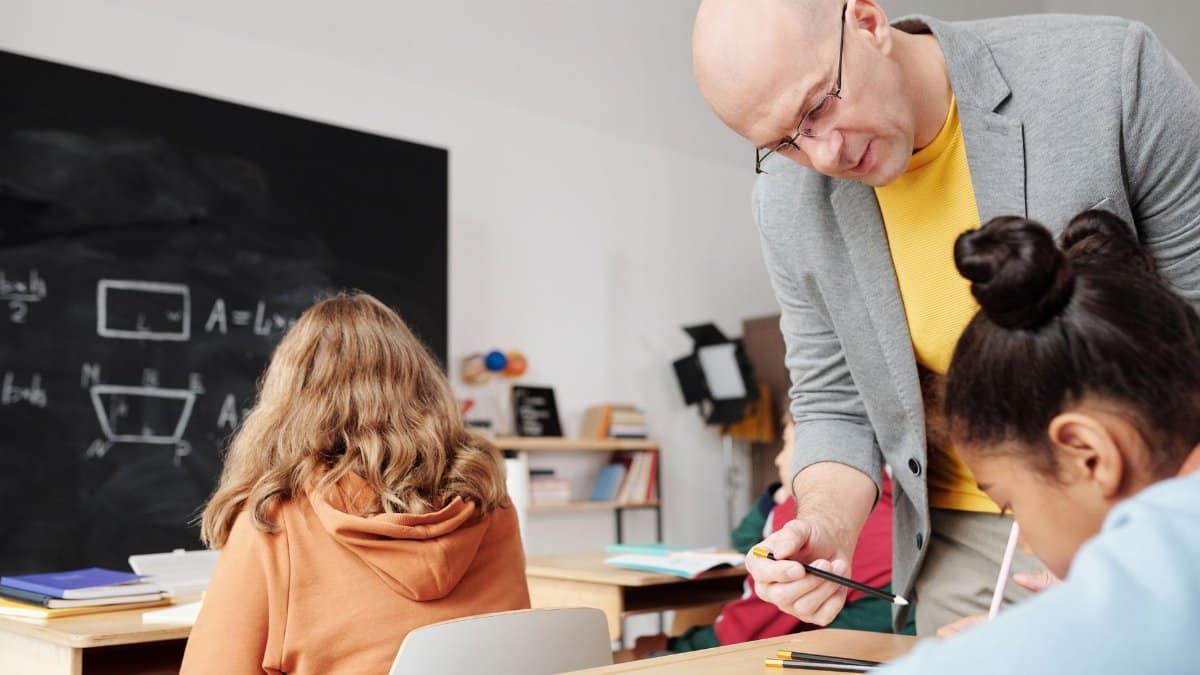
In classrooms across the country teachers face mounting pressures from shifting policies to emotional demands that test their endurance. One veteran instructor in a midwestern district described how small daily rituals helped restore a sense of purpose amid constant change. These moments point toward broader patterns in Educator Wellbeing Practices that support both staff and pupils when uncertainty dominates the school day.
Building Daily Routines That Sustain Energy

Many educators report that structured yet flexible routines anchor their mornings before students arrive. Simple sequences such as brief breathing exercises followed by a review of the day ahead allow mental space to form. Research from the Greater Good Science Center highlights how such patterns reduce reactivity and improve focus over weeks of consistent use.
Creating Peer Networks for Shared Support

Isolation often compounds stress in large schools. Small groups of colleagues who meet weekly to discuss challenges without judgment have emerged as a practical response. These circles draw on principles of mutual aid and encourage honest exchanges that prevent burnout from taking root.
Integrating Movement Into Instructional Hours
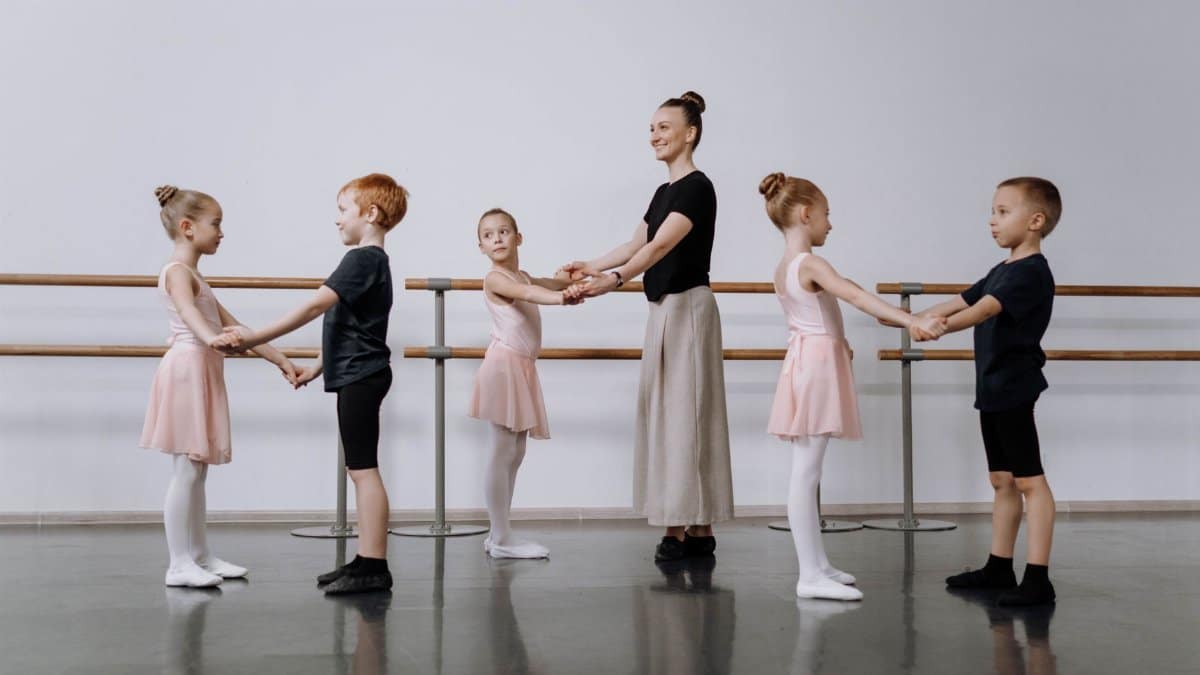
Physical activity need not require separate blocks of time. Teachers who incorporate short stretches or walking discussions during lessons notice steadier moods and clearer thinking. Students mirror these habits and report feeling more grounded when lessons include gentle motion.
Addressing Emotional Load Through Reflective Writing

Journaling at the end of each day offers an outlet for processing events that linger. Prompts focused on gratitude or lessons learned help shift attention toward constructive outcomes rather than lingering frustrations. Over time this habit builds resilience that carries into the next school week.
Linking Home and School for Consistent Care
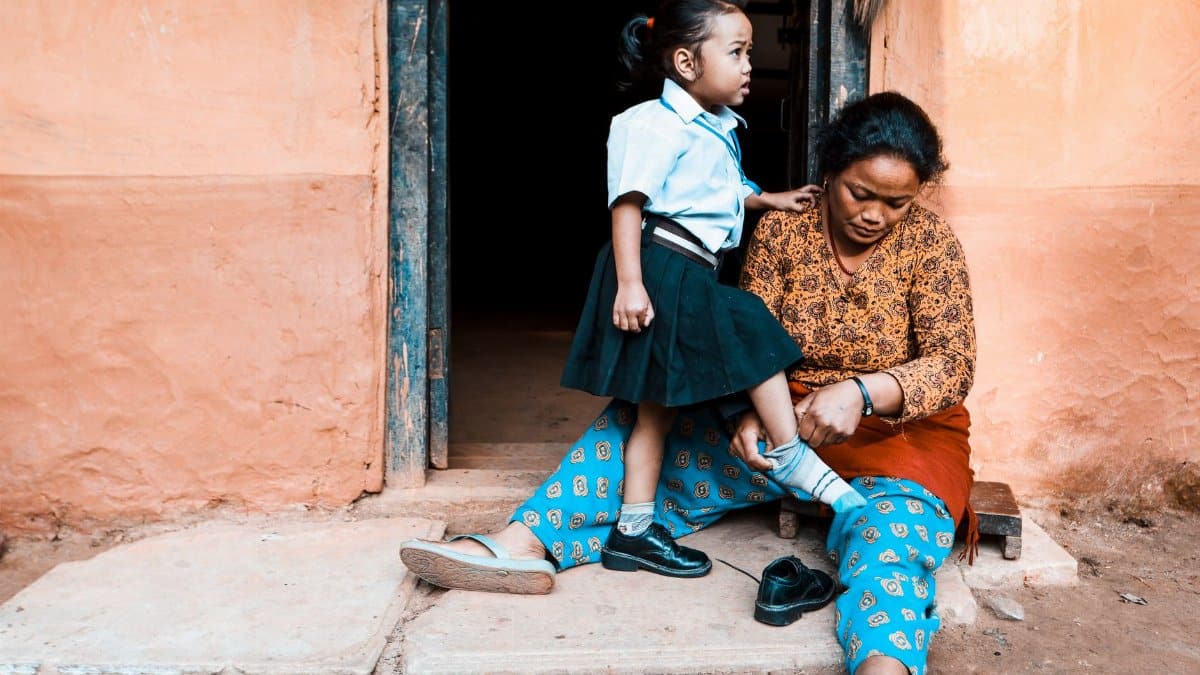
Partnerships with families strengthen the environment surrounding each child. Regular updates that emphasize positive developments rather than deficits foster trust and reduce adversarial encounters. When parents and guardians feel included the overall climate improves for everyone involved.
Applying Mindfulness During Transitions
Between classes or before tests brief centering practices help reset attention. Techniques drawn from contemplative traditions adapted for secular settings show measurable drops in anxiety levels among both adults and children according to longitudinal observations in several districts.
Supporting New Teachers With Mentorship Structures

Early career educators benefit from guidance that extends beyond formal training. Pairing novices with experienced colleagues creates pathways for real time advice on managing classroom dynamics. This approach preserves institutional knowledge while easing the steep learning curve that often leads to early exits from the profession.
Monitoring Workload Through Data Informed Adjustments

Administrators who track assignment volumes and meeting schedules can identify overload points before they escalate. Transparent reviews allow collective input on priorities and help redistribute tasks in ways that honor human limits rather than pushing past them.
Encouraging Artistic Expression as Outlet
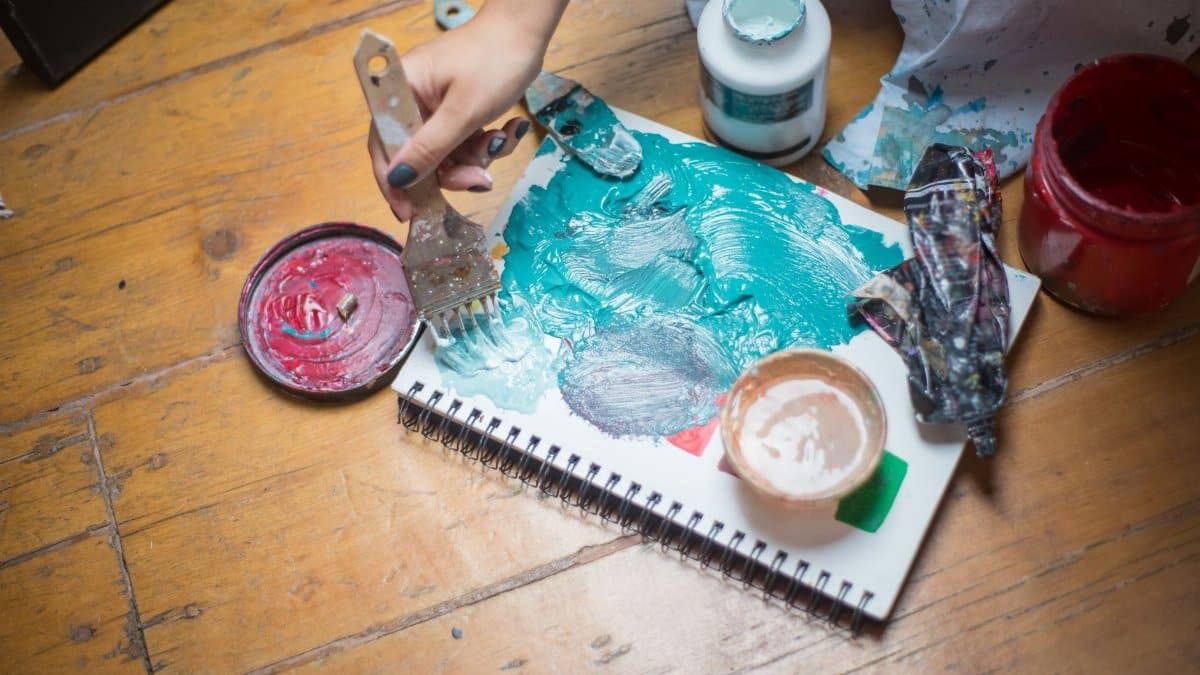
Creative activities such as sketching or music making provide nonverbal avenues for releasing tension. Schools that weave these opportunities into staff development sessions observe higher morale and stronger interpersonal bonds among participants.
Sustaining Hope With Community Rituals

Seasonal gatherings that celebrate milestones reinforce collective identity. Whether simple potlucks or moments of shared silence these events remind participants that their efforts contribute to something larger than individual classrooms.
Evaluating