
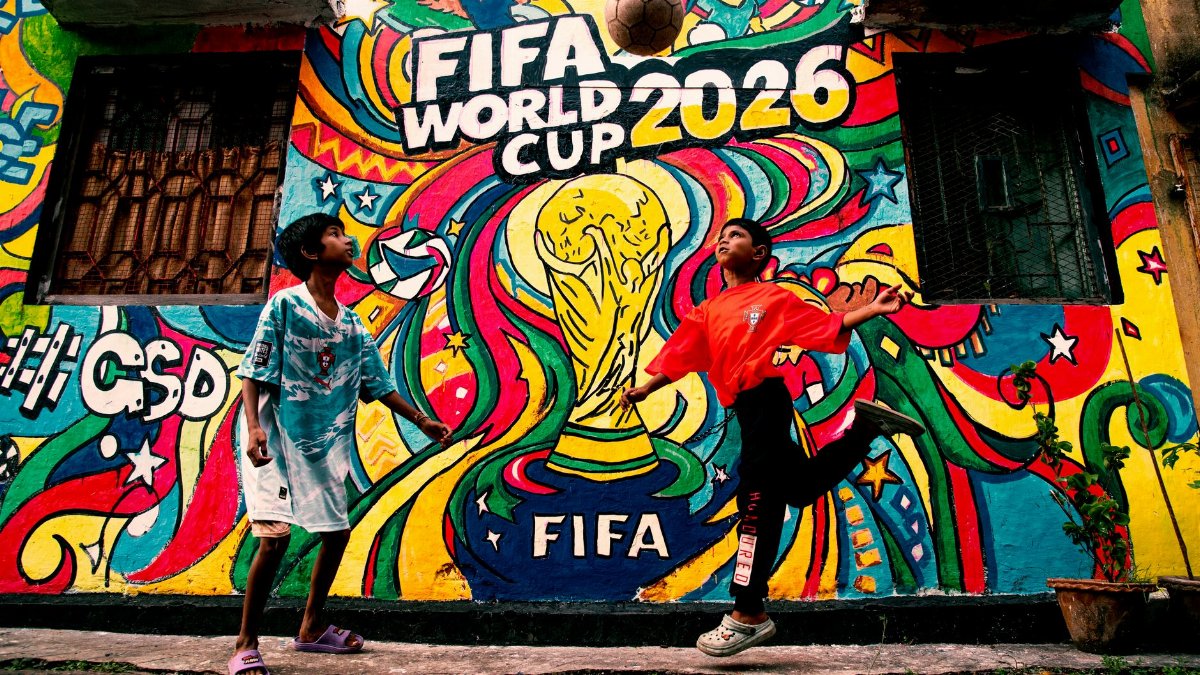
In the electric atmosphere of a World Cup semifinal a single lapse in concentration can shift the outcome for millions of fans watching around the globe. Soccer Psychology Performance emerges as the decisive factor that lets athletes like Kylian Mbappe sustain clarity when every pass carries the weight of national hopes and global scrutiny.
The Role of Visualization in Sustaining Focus

Elite players often spend quiet moments picturing entire sequences of play before they step onto the pitch. This practice allows them to rehearse reactions to common scenarios such as defending a lead or breaking down a packed defense. Research shared by Scientific American shows that consistent mental imagery improves reaction times and reduces hesitation during live matches. Athletes report feeling as though they have already navigated the pressure when the real moment arrives.
Breathing Methods for Immediate Calm

Controlled breathing serves as a rapid tool to reset the nervous system amid roaring stadium noise. Players pause between plays to draw slow breaths that lower heart rates and sharpen attention on the next action. Such routines prove especially useful in penalty shootouts where tension peaks for everyone involved. Observers note that those who master this approach maintain steadier execution even after earlier mistakes.
Handling Setbacks with Quick Mental Reset

Every competitor encounters errors yet the best recover without lingering regret. Soccer Psychology Performance training emphasizes shifting attention forward rather than replaying the past play in the mind. Coaches encourage brief affirmations or focus cues that redirect energy toward the immediate task. This skill separates veterans who endure long tournaments from those who fade after early adversity.
Team Communication That Strengthens Collective Resolve

Clear verbal exchanges on the field build shared confidence and reduce individual isolation under stress. Leaders use concise signals to reinforce strategy and lift teammates during lulls in momentum. Studies of successful squads reveal that strong interpersonal bonds correlate with fewer unforced errors in high intensity periods. The group dynamic thus acts as an external support for personal mental steadiness.
Extending These Habits to Everyday Challenges

The same principles that aid soccer stars translate directly to professional meetings or public presentations where stakes feel personal. Individuals who practice visualization and breathing report greater composure when facing deadlines or unexpected criticism. Soccer Psychology Performance therefore offers accessible lessons for anyone seeking steadier output outside sports arenas.
Guidance from Specialists in Athletic Mental Training
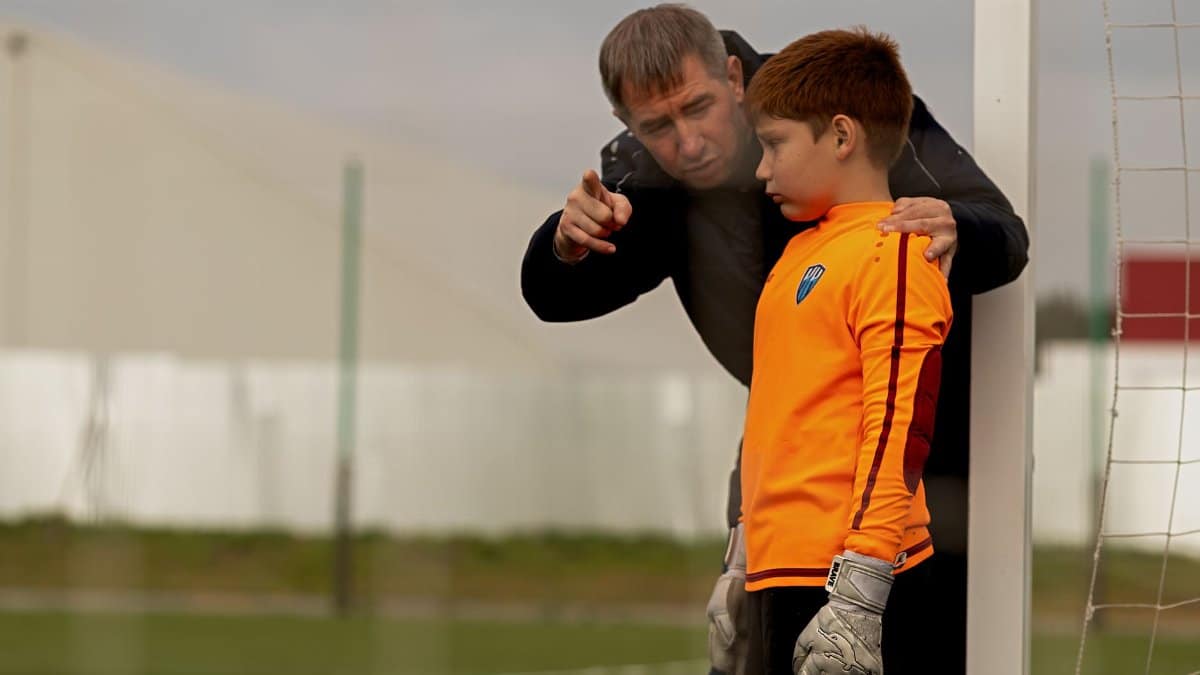
Sports psychologists work with national teams to tailor routines that match each athlete personality and position demands. Sessions often combine data from heart rate monitors with reflective discussions about past performances. This evidence based partnership helps refine approaches that evolve across a career span.
Observations from Recent Major Competitions
Review of matches in the latest global tournament highlights patterns among top scorers who maintained output despite fatigue and travel. Those who integrated brief mindfulness pauses between halves showed consistent accuracy in final stages. Such trends suggest broader adoption of structured mental preparation across leagues.
Looking Ahead at Innovations in Player Preparation
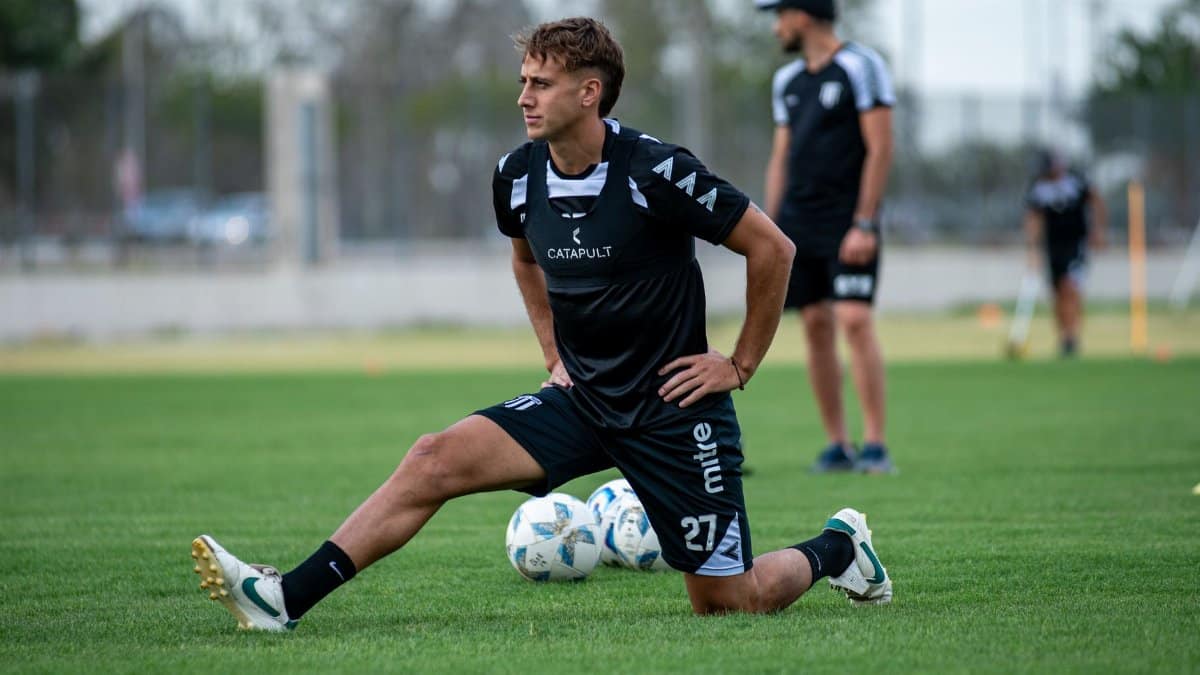
Emerging technologies now allow real time feedback on mental states through wearable sensors that track focus levels. Teams experiment with virtual simulations that replicate crowd pressure to build familiarity before actual events. These advances point toward more precise and personalized paths for developing Soccer Psychology Performance at every level of the sport.