
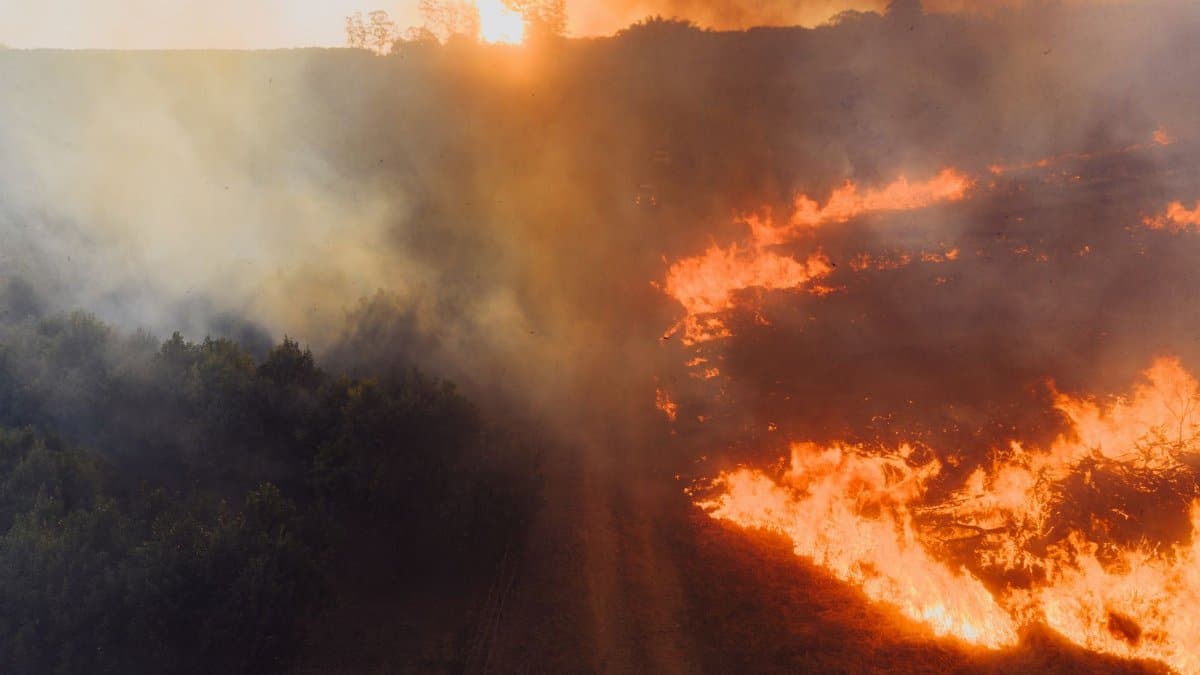
The sudden flare of flames near Stagecoach Reservoir has drawn urgent attention to the Steamboat Springs Wildfire, forcing residents south of the popular Colorado mountain town to gather belongings and seek safety amid rising smoke and unpredictable winds. Local authorities moved quickly on July 12 to issue evacuation notices for several neighborhoods, highlighting once more how dry conditions and shifting weather patterns can transform a routine summer day into a scramble for security. Families loaded vehicles while emergency crews established containment lines, and the scene reflected both the raw power of nature and the steady resolve of a close knit mountain community.
Origins of the Green Ridge Blaze
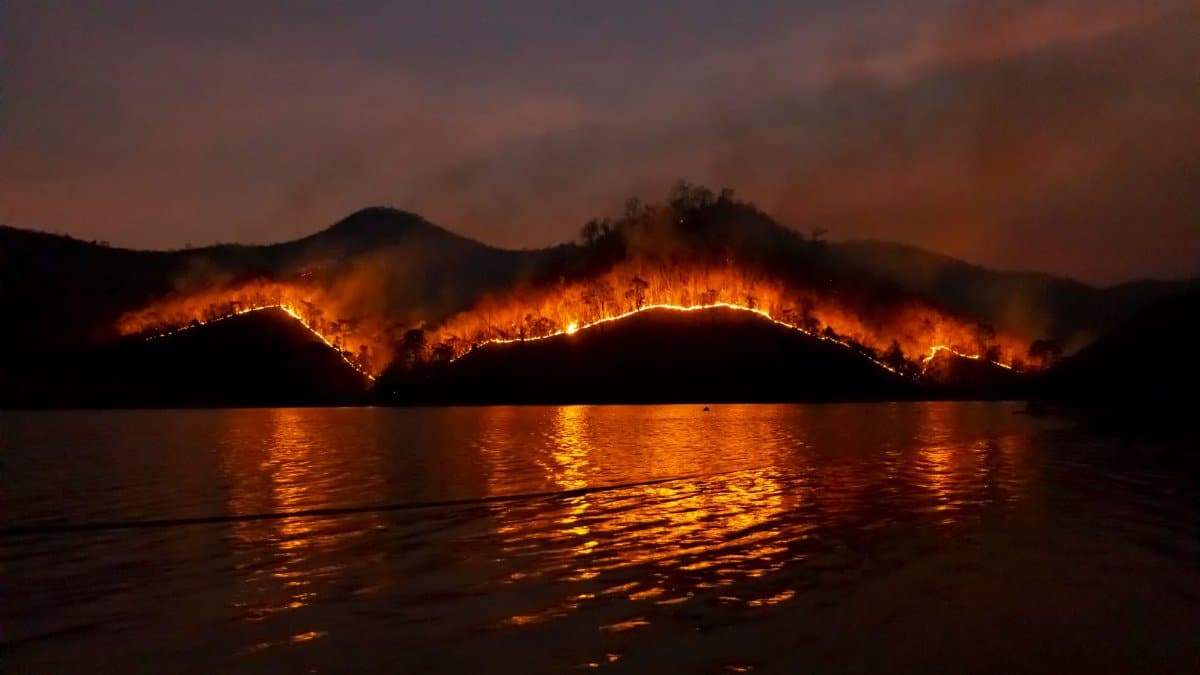
Investigators trace the fire to a lightning strike that landed in dense timber outside the reservoir boundaries. The blaze grew rapidly as gusts carried embers across parched slopes, prompting officials to classify it as a high priority incident within hours of the first report.
Evacuation Routes and Safety Measures

Roads leading away from the affected zones filled with cars as residents followed pre planned escape paths toward safer ground north of the fire perimeter. Shelters opened in nearby community centers where volunteers provided water, blankets and updates on changing conditions.
Role of Local Fire Crews
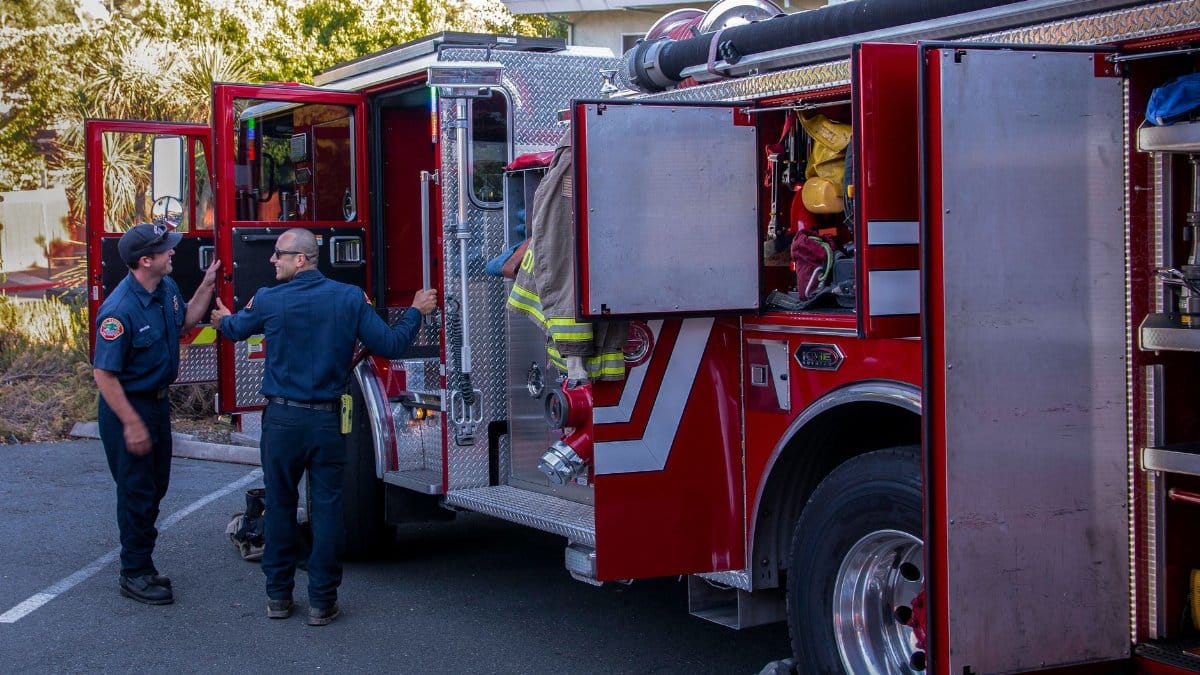
Firefighters from Routt County and surrounding districts arrived with engines and hand crews to build control lines along ridges and drainages. Their coordinated efforts focused on protecting structures while allowing the fire to burn in areas where it posed less immediate threat to homes.
Effects on Regional Tourism
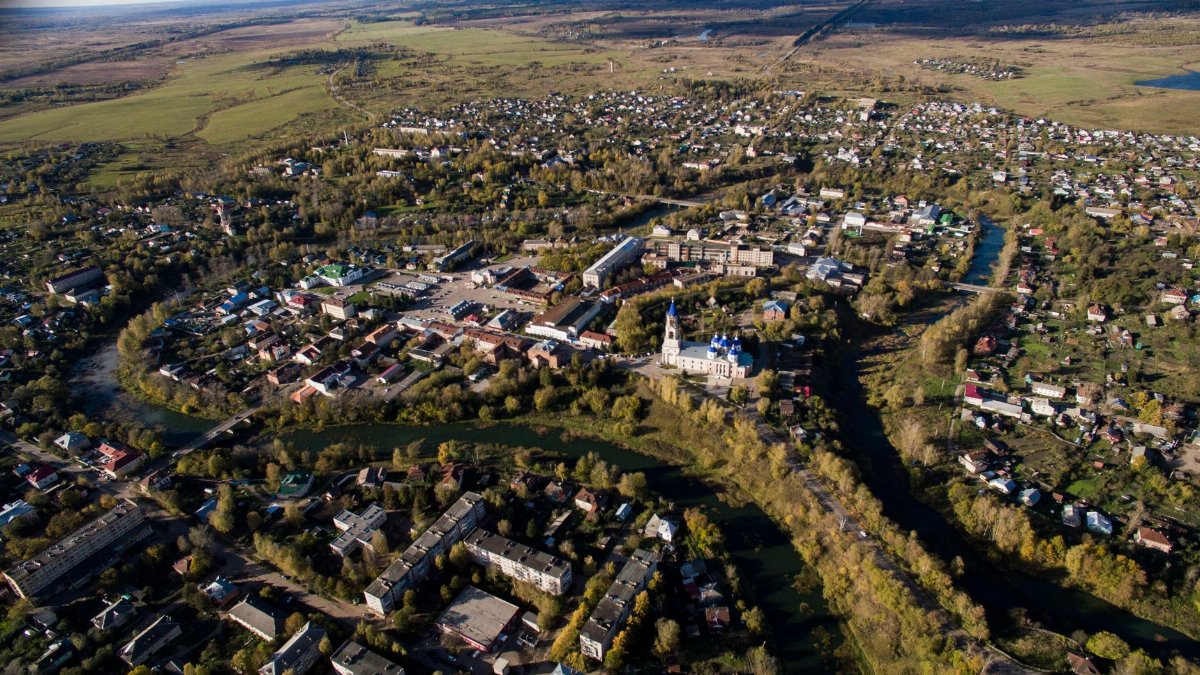
Business owners in Steamboat Springs watched visitor numbers dip as news of the fire spread, though many lodges reported that guests already on site chose to stay and support local recovery efforts. The situation underscores the delicate balance between natural beauty and economic stability in resort areas.
Community Spirit Amid Uncertainty

Neighbors checked on one another through phone trees and social media groups, sharing resources and offering rides for those without transportation. This collective response revealed a deeper layer of connection that often surfaces during moments of shared challenge.
Lessons from Past Colorado Fires
Records from earlier seasons show that early detection combined with swift public alerts can limit damage even when terrain proves difficult. Officials now apply those insights to daily briefings that keep everyone informed about wind shifts and growth potential.
Environmental Recovery Outlook

Biologists expect native grasses and shrubs to return within a few seasons once the fire cools, provided follow up rains arrive at normal rates. Soil studies will guide replanting projects aimed at preventing erosion on steeper hillsides.
Spiritual Dimensions of Resilience

Many residents describe drawing strength from quiet reflection and group gatherings that emphasize gratitude and hope rather than fear. Such practices echo broader traditions of finding meaning in the cycles of destruction and renewal that mark life in the high country.
Looking Ahead to Containment Goals

Command teams set targets for full containment within the coming week while monitoring forecasts for any change in humidity or temperature that could alter daily progress. Updates continue to reach the public through official channels and trusted local media.