
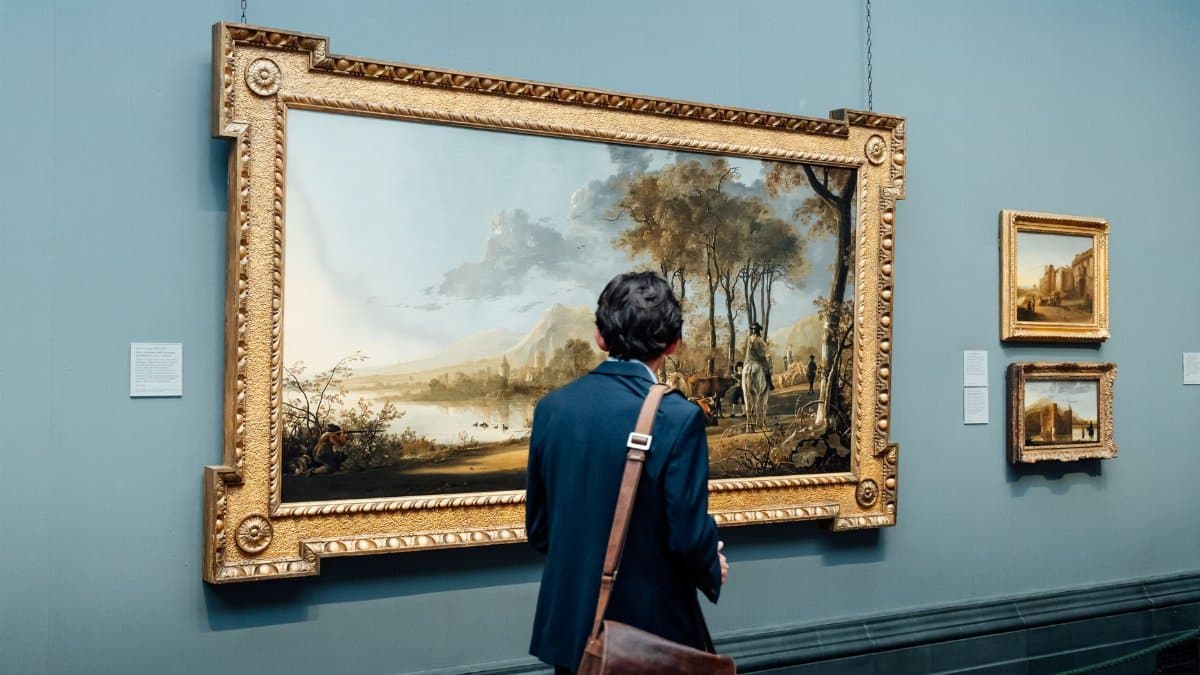
In the heart of Denver a remarkable space invites visitors to contemplate both artistic innovation and the passage of time. Emmanuel Gallery Denver occupies a structure that has witnessed significant changes over one hundred fifty years. This venue offers a distinctive setting where contemporary works find expression amid layers of historical significance.
The Origins of a Historic Structure
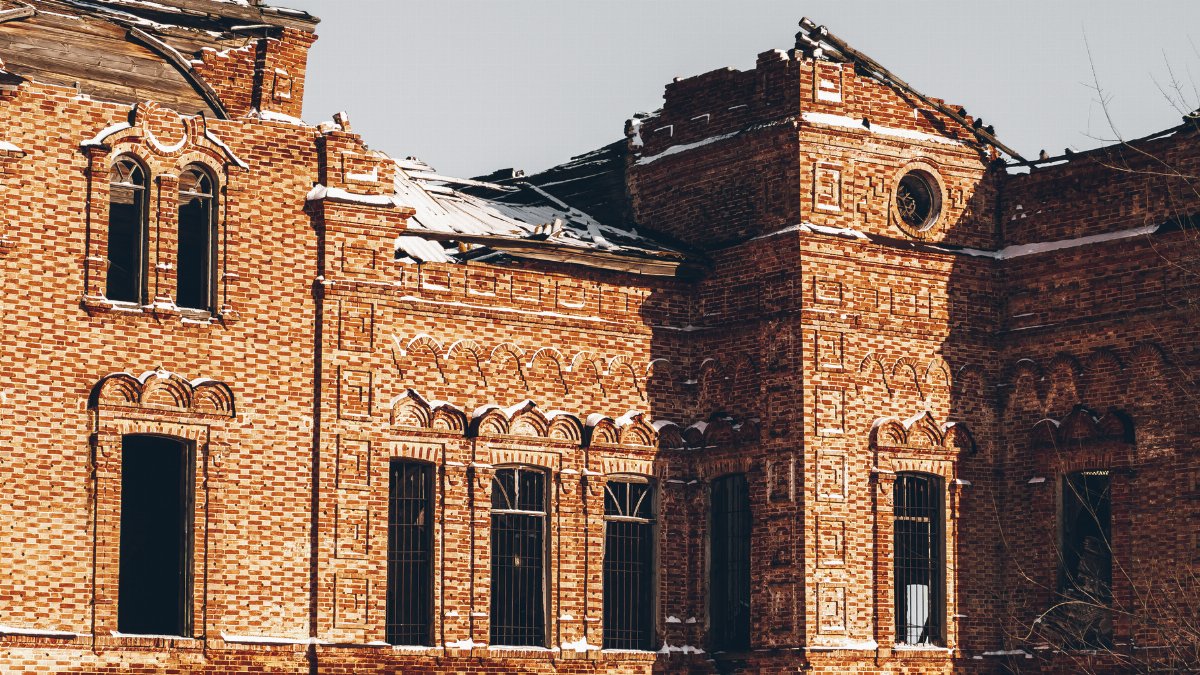
Constructed in the late nineteenth century the building first served religious purposes before transitioning through various community roles. Its stone facade and arched windows reflect architectural approaches common during that era. Over decades the space adapted to shifting urban needs while retaining core elements that speak to its beginnings.
Transition Into an Artistic Hub
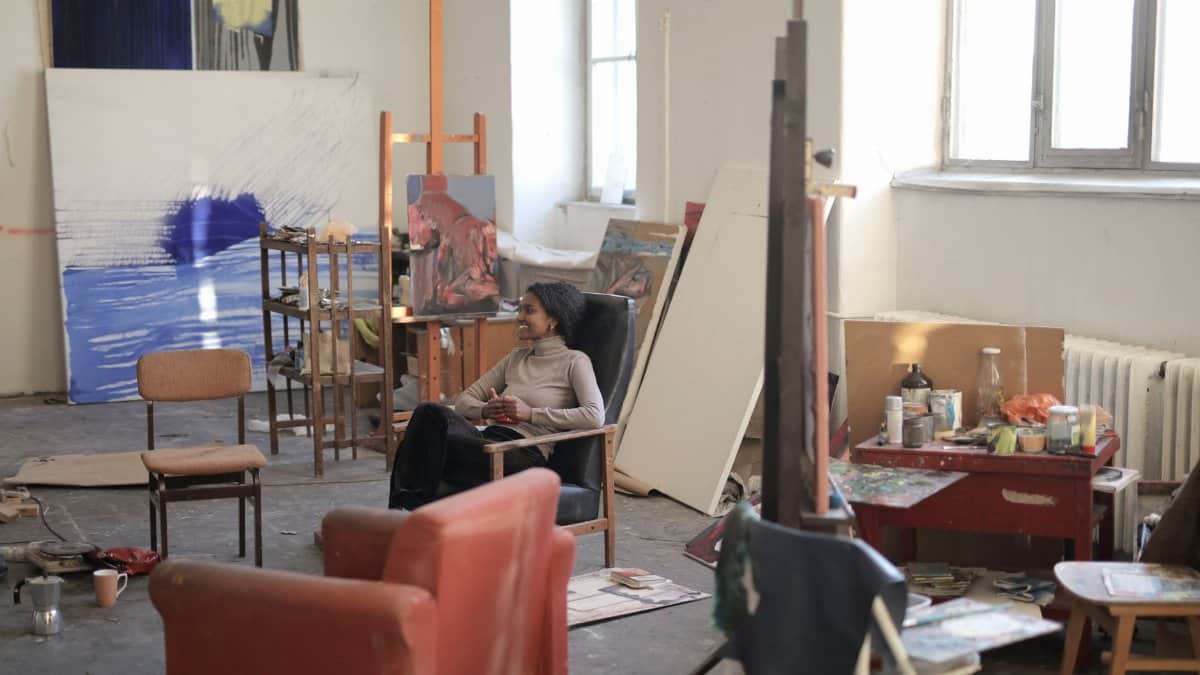
By the mid twentieth century local leaders recognized potential for cultural use. Renovations preserved original features such as high ceilings and natural light sources. These choices created an atmosphere suited to exhibitions that encourage reflection and dialogue among attendees.
Preservation Efforts Through the Decades
Careful maintenance has ensured structural integrity without erasing signs of age. Craftspeople employed traditional techniques alongside modern methods to address wear from environmental factors. Such work highlights commitment to sustaining heritage sites in growing cities.
Contemporary Exhibitions on Display
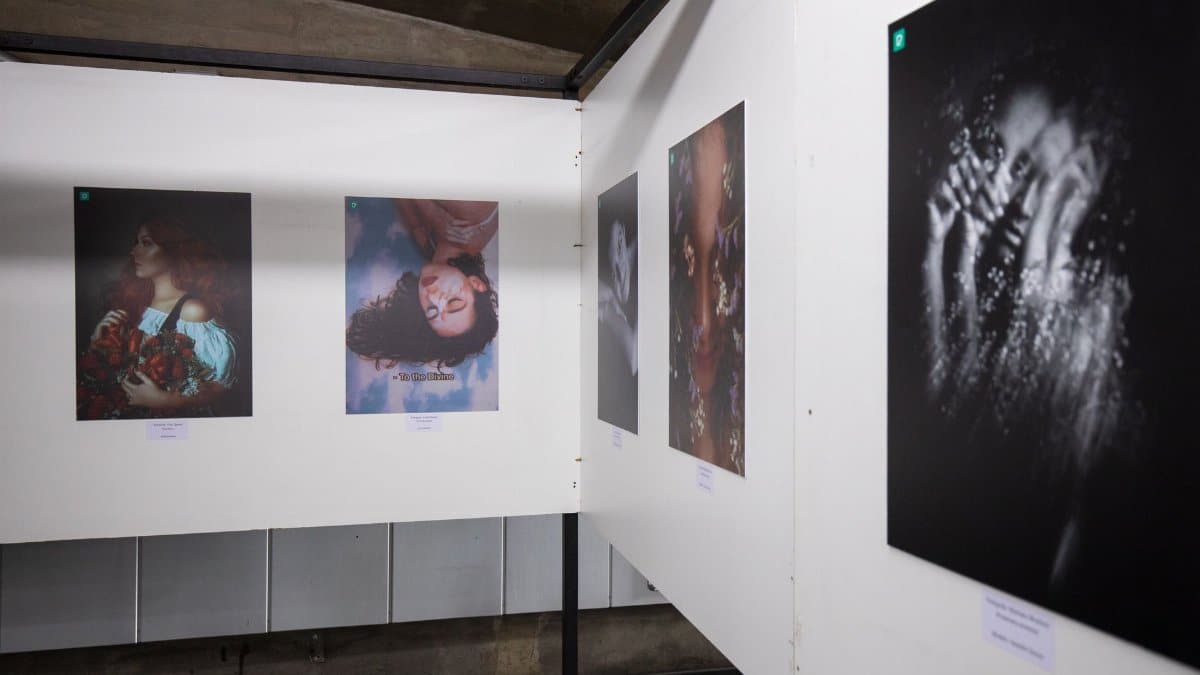
Current shows feature artists exploring themes of identity memory and place. Pieces range from large scale installations to intimate drawings that invite close inspection. Viewers often note how the setting enhances emotional impact of the works on view.
Community Engagement Programs

Educational workshops and public talks occur regularly drawing participants from varied backgrounds. These events foster connections between art enthusiasts and those new to gallery experiences. Organizers emphasize accessibility through free admission periods and outreach initiatives.
Spiritual Dimensions in the Space

Given its roots in religious practice the gallery continues to evoke contemplative responses. Some installations address universal questions of meaning and existence. This aspect aligns with broader trends in cultural venues that blend aesthetic and reflective elements.
Visitor Experiences and Reflections
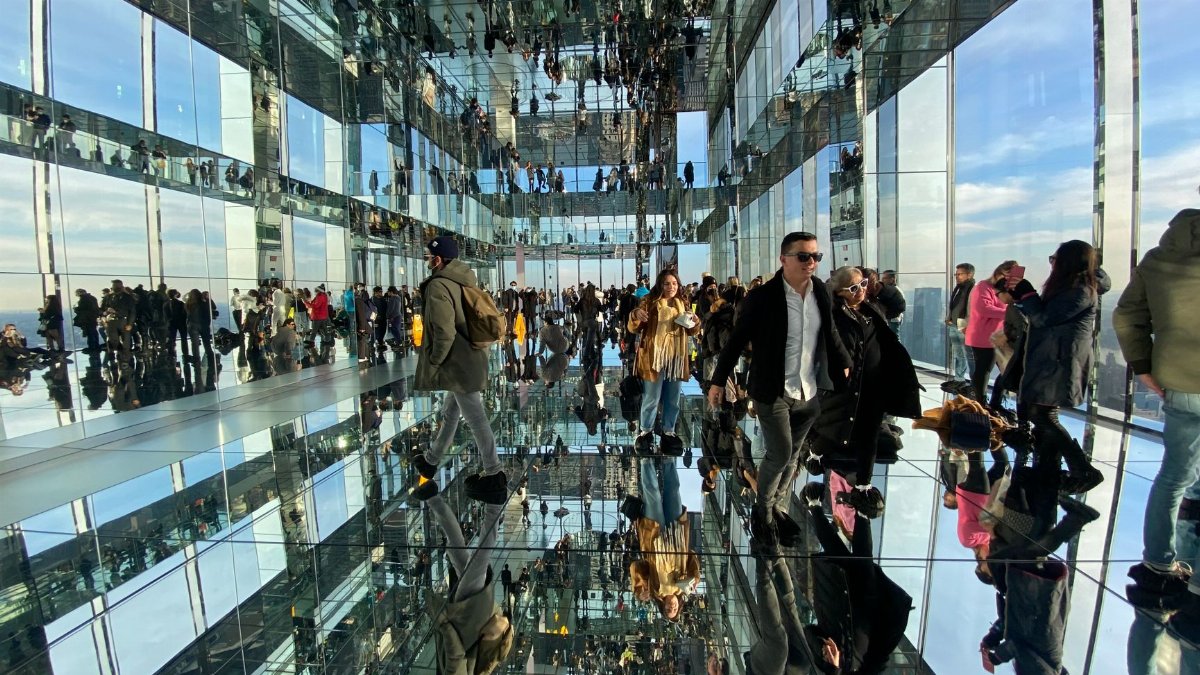
Many describe a sense of continuity when moving through the rooms. The interplay between old architecture and new creations prompts thoughts on how societies evolve. Regular visitors return to witness changing displays while appreciating consistent ambiance.
Future Plans for Growth

Administrators envision expanded programming that reaches wider audiences. Collaborations with regional institutions could bring additional resources and perspectives. These steps aim to strengthen the gallery position within Denver cultural scene.
Role in Local Cultural Landscape

Emmanuel Gallery Denver contributes to a network of venues that celebrate creativity and history together. Its story illustrates broader patterns in American cities where adaptive reuse supports artistic vitality. Observers see ongoing relevance in such models for sustainable cultural development.