

In recent years mental health care has seen remarkable shifts as clinicians seek reliable options beyond traditional medication and talk therapy for those struggling with persistent symptoms. One development drawing attention involves TMS Brain Stimulation Therapy a technique that applies magnetic fields to targeted brain regions in hopes of easing conditions like depression. Patients often arrive at clinics after years of limited relief searching for approaches that feel more direct and measurable in their effects.
Understanding the Core Process

The procedure relies on a coil placed against the scalp that generates brief magnetic pulses. These pulses pass through the skull and stimulate nerve cells in areas linked to mood regulation. Sessions typically last under an hour and occur several times each week over a span of weeks. Clinicians adjust intensity based on individual responses rather than applying a uniform setting to everyone.
Evidence from Recent Monitoring

Reports from the American Psychological Association highlight expanding data on outcomes across multiple disorders. The linked summary at https://www.apa.org/monitor/2026/07-08 notes improvements in depression measures alongside emerging applications for obsessive compulsive patterns and certain headache conditions. Follow up assessments show sustained benefits for a notable portion of participants though results vary with personal history and concurrent treatments.
Personalization in Modern Protocols

Newer methods incorporate brain imaging to map precise targets for each person. This step replaces earlier reliance on standard landmarks and allows practitioners to account for differences in skull shape or neural layout. Such tailoring appears to raise response rates while reducing the number of sessions needed before noticeable change occurs.
Comparison with Medication Routes
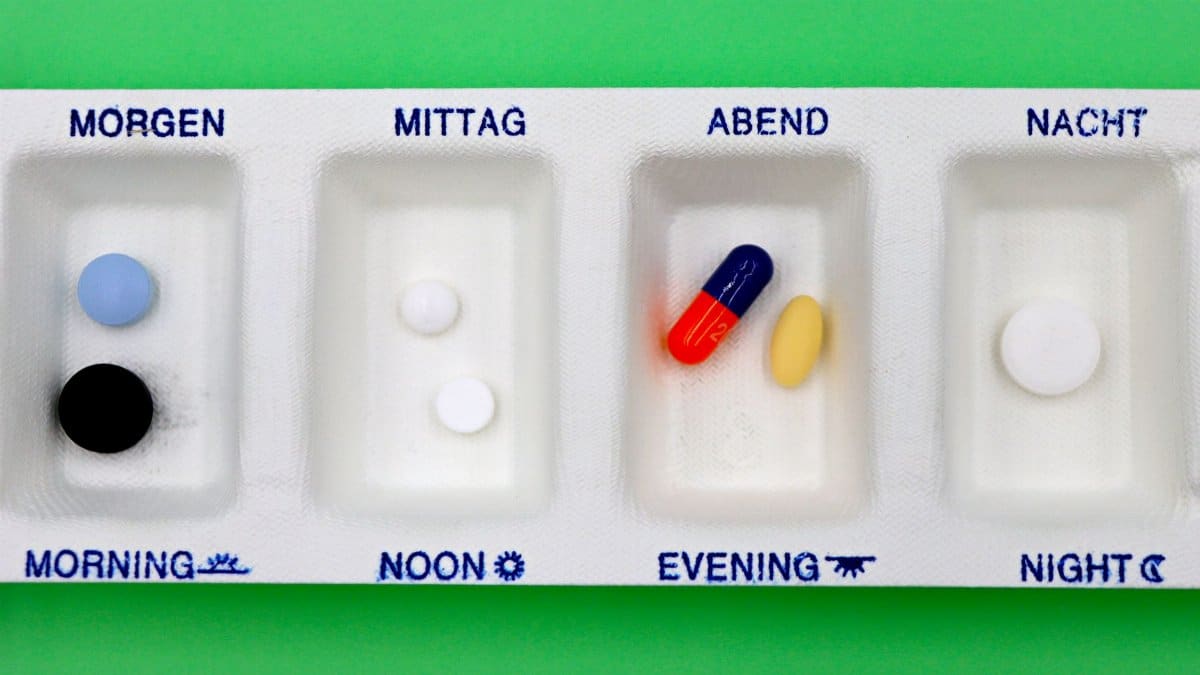
Many individuals explore TMS Brain Stimulation Therapy after side effects from antidepressants prove difficult to manage. Unlike daily pills the magnetic approach does not introduce systemic chemicals so common complaints such as weight gain or digestive upset seldom arise. Yet it requires repeated office visits which can pose scheduling challenges for those with work or family demands.
Access and Insurance Considerations

Coverage has broadened as more insurers review the accumulating studies. Medicare now reimburses the service under specific guidelines while private plans differ by region and diagnosis. Advocacy groups continue to push for wider inclusion so that cost does not limit options for middle income households facing chronic symptoms.
Patient Experiences Across Age Groups

Adults in their forties and fifties often describe the treatment as less invasive than expected once the initial consultation clarifies the steps. Some report gradual lifts in energy and concentration within the first month while others notice steadier sleep patterns first. Clinicians emphasize that progress unfolds differently and regular check ins help adjust expectations along the way.
Future Directions in Research

Ongoing trials examine combinations with behavioral therapies and explore shorter courses through refined pulse patterns. Investigators also track long term relapse rates to determine whether booster sessions provide meaningful protection. The field continues to refine safety data as equipment evolves and operator training standards tighten.
Broader Implications for Neuropsychiatric Care

As acceptance grows TMS Brain Stimulation Therapy may influence how clinics structure intake and follow up for a range of conditions. Integration into primary care settings remains limited but pilot programs suggest potential for earlier intervention before symptoms become entrenched. Continued monitoring of outcomes will shape whether this modality becomes a standard early step rather than a later resort.