

The remote detention center known as Alligator Alcatraz Closed has now stood empty for weeks after officials completed the transfer of its final occupants out of the Everglades site. What began as a high profile experiment in immigration enforcement ended with little ceremony on a humid July morning when the last transport buses rolled away from the gates. The facility once held nearly twenty one thousand people over its short life yet its abrupt emptying raises fresh questions about costs public safety and the long term direction of border policy in Florida.
Origins of a Remote Detention Experiment
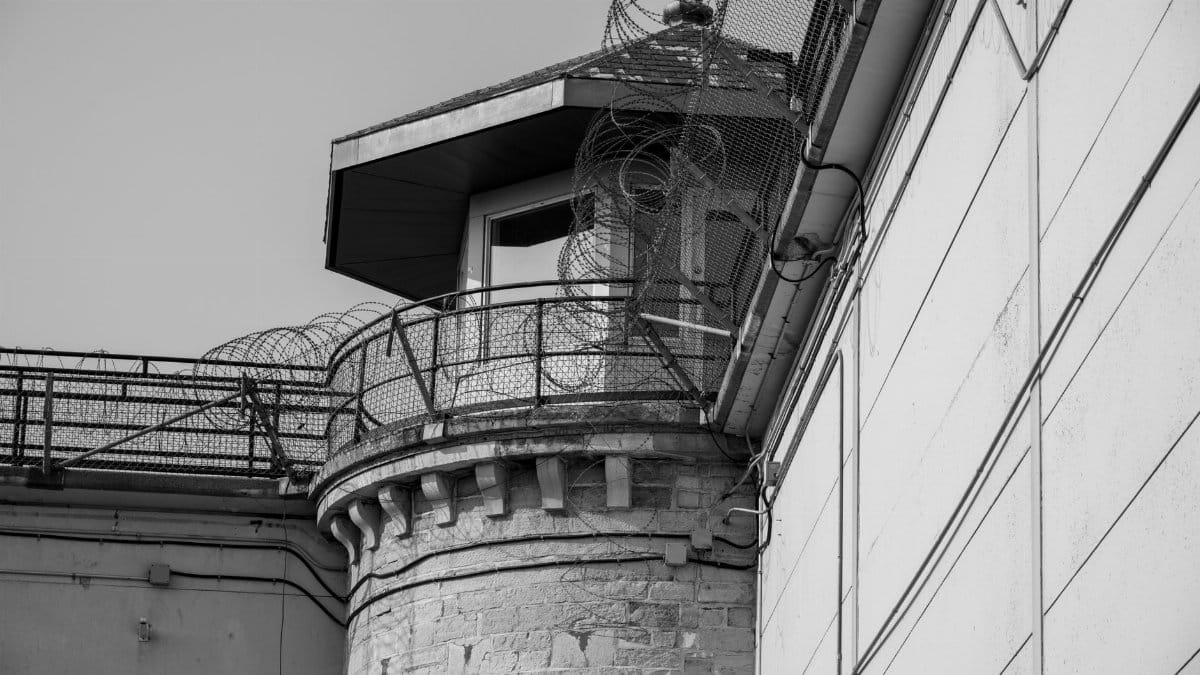
The idea for housing large numbers of immigration detainees in the wetlands took shape amid rising state level enforcement efforts under Governor DeSantis. Planners chose an isolated stretch near Ochopee for its natural barriers and limited access points. Construction crews worked quickly to erect basic housing units and security perimeters turning a stretch of sawgrass into a self contained compound. Supporters argued the location would deter escapes while critics warned of logistical challenges and environmental strain from the start.
Daily Operations Inside the Everglades Compound

Life at the site followed strict routines with scheduled meals medical checks and limited recreation time. Staff managed a population that included families asylum seekers and individuals with prior criminal records. Supply deliveries arrived by truck along a single access road and medical emergencies sometimes required helicopter transport to distant hospitals. The isolation that once seemed an advantage soon created headaches for food services staffing rotations and family visitation programs.
Community Reactions in Nearby Towns

Residents in Ochopee and surrounding areas held mixed views throughout the centers operation. Some local business owners welcomed the jobs created by construction and ongoing maintenance while others voiced concern over increased traffic and the presence of federal agents. Town hall meetings drew steady crowds where speakers debated everything from economic benefits to potential effects on tourism in the broader Everglades region.
Legal Challenges and Court Rulings

Advocacy groups filed multiple suits claiming inadequate living conditions and restricted access to legal counsel. Judges issued temporary orders on matters such as outdoor recreation space and medical staffing levels though the core mission of the facility remained intact. Attorneys representing detainees described lengthy delays in case processing while state officials maintained that all procedures met federal standards.
Environmental Concerns in the Wetlands
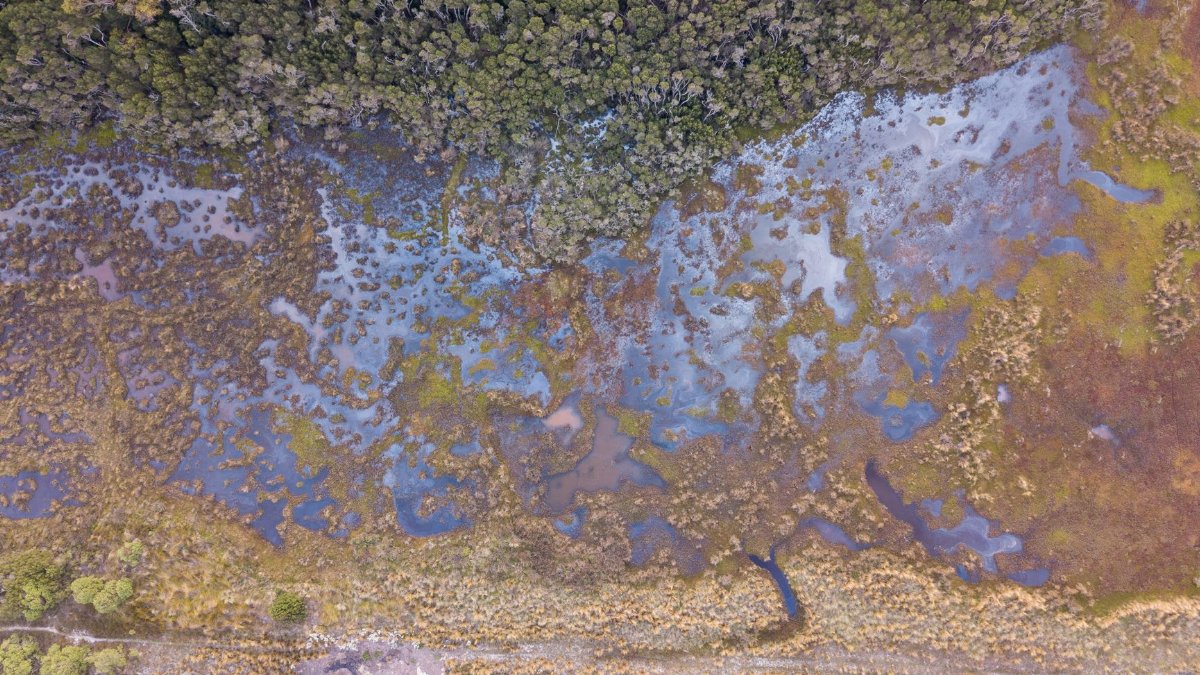
Conservation organizations raised alarms about wastewater runoff and habitat disruption near protected wildlife corridors. Engineers installed containment systems and monitoring stations yet periodic heavy rains tested those measures. Biologists tracked changes in local bird populations and water quality though definitive long range studies remain incomplete.
Political Pressures Leading to Closure

Shifting federal priorities and budget negotiations in Washington played a central role in the decision to empty the site. State lawmakers faced competing demands for resources as other enforcement initiatives gained attention. The announcement of Alligator Alcatraz Closed came after months of quiet talks between agency heads and elected officials seeking to redirect funds elsewhere.
Impact on Former Detainees and Families

Many individuals released or transferred from the facility now navigate new locations with varying levels of support. Some have reunited with relatives in other states while others await further hearings. Social service agencies report increased requests for housing assistance and legal aid in the weeks since the transfers began.
Future Use of the Vacated Site

State and federal agencies have yet to announce concrete plans for the empty buildings and surrounding grounds. Options under discussion include conversion to training facilities or outright removal of structures to restore natural conditions. Local leaders hope for input from residents before any final choices are made.
Broader Lessons for Immigration Enforcement

The experience at this remote location highlights ongoing tensions between rapid policy implementation and practical realities on the ground. Similar proposals in other states may face greater scrutiny after watching how isolation affected operations staffing and oversight. Observers on all sides agree that sustainable approaches will require clearer coordination across agencies and more attention to long term outcomes for everyone involved.