

In uncertain times many seek direction not from experts but from those who have walked similar paths. A recent invitation on a mindfulness platform drew hundreds of responses from readers reflecting on how they learned to rely on their own judgment. These accounts reveal patterns that go beyond abstract advice and instead show concrete choices made in real life. The collection known as Self-Trust Reader Stories stands out for its honesty and variety, offering insight into the quiet work of building confidence from within.
Recognizing Inner Signals Amid Noise

Readers described learning to notice small bodily cues that preceded important decisions. One person recalled pausing before a career change when a familiar tightness appeared in the chest during conversations about the move. Over months that signal grew clearer until it could not be ignored. Another contributor noted that evenings spent away from screens allowed faint preferences to surface more reliably. The common thread was time spent in stillness rather than constant external input.
Testing Small Acts of Autonomy

Many contributors began with modest experiments. They chose what to cook without consulting online recipes or declined an invitation without offering elaborate excuses. Each minor choice strengthened a sense of personal authority. One reader tracked these moments in a notebook and later observed that larger decisions felt less daunting once the habit of checking inward had formed. Progress came through repetition rather than sudden revelation.
Establishing Clear Personal Limits

Boundaries emerged as a recurring theme. Several writers explained that self trust developed only after they stopped explaining every refusal to family members or colleagues. One account detailed the shift from apologizing for unavailable weekends to simply stating other plans. The relief that followed reinforced the practice. Over time these limits became less about protection and more about preserving energy for commitments that truly mattered.
Learning from Past Missteps Without Self Blame
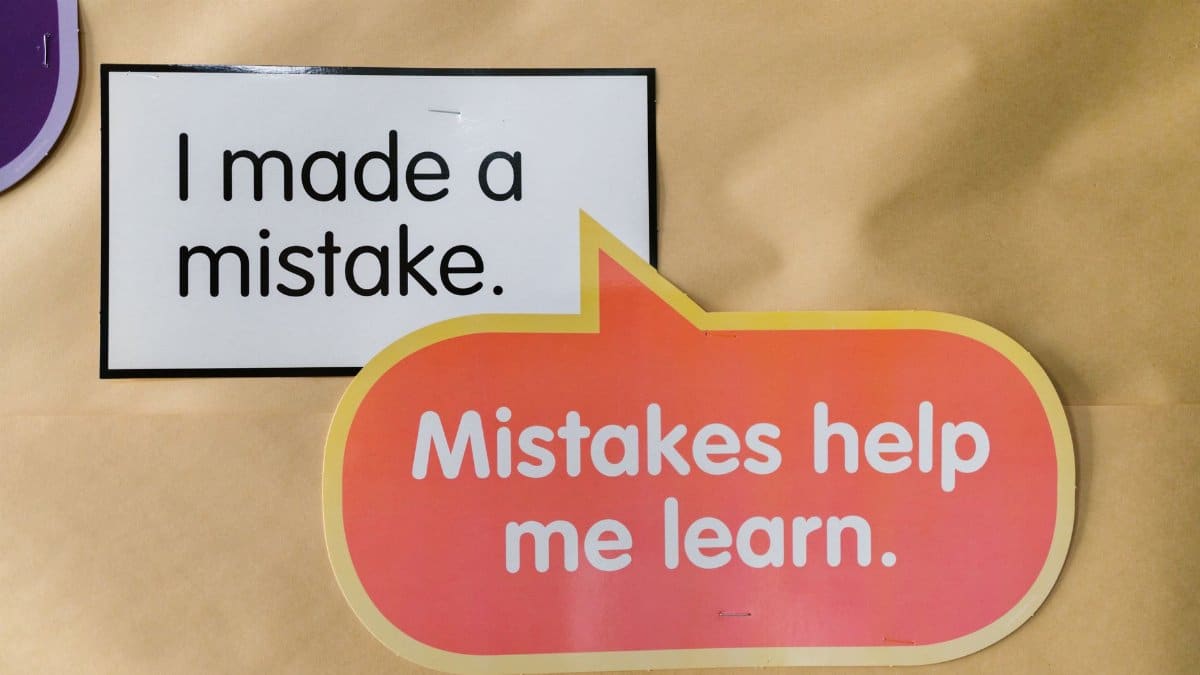
Stories often included earlier periods of second guessing that later proved instructive. A contributor who had ignored a health concern for years described eventually scheduling the appointment after noticing repeated fatigue. Rather than dwelling on delay the focus turned to what the body had been signaling. This reframing allowed the experience to support future attentiveness instead of feeding regret.
Distinguishing Fear from Genuine Caution

Participants frequently wrestled with separating protective instincts from habitual worry. One detailed the process of sitting with an anxious thought for ten minutes before acting on it. If the concern remained steady it received attention. If it faded the decision moved forward without further rumination. This simple pause became a reliable filter across work and family matters alike.
Seeking Community That Mirrors Inner Wisdom
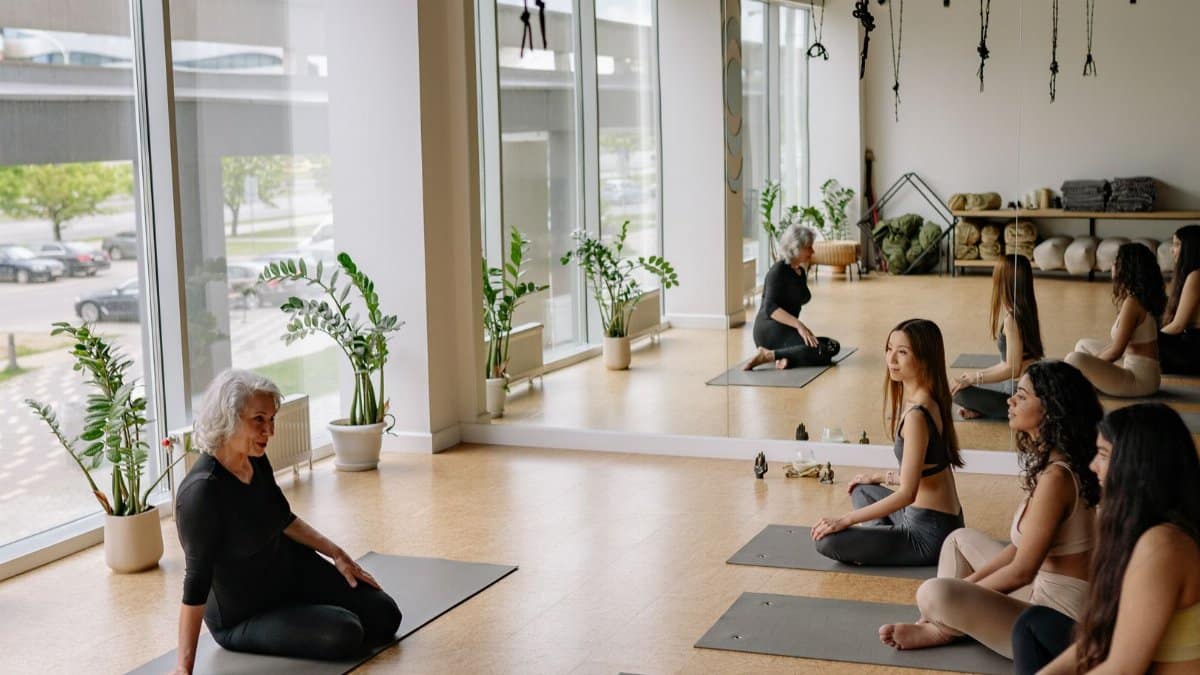
While the emphasis remained personal several readers credited conversations with trusted friends who asked open questions rather than offering solutions. These exchanges clarified thinking without replacing it. One person noted that discussing a dilemma aloud often revealed preferences that had stayed hidden during solitary reflection. The right listeners helped surface what was already present.
Adapting Practices Across Life Stages

Accounts spanned different decades and circumstances. Younger contributors wrote about navigating first jobs and new cities while older ones described retirement transitions and health changes. Despite surface differences the underlying discipline of checking inward remained consistent. Adjustments came naturally as external demands shifted yet the core habit endured.
Carrying Forward What Resonates

At the close of many submissions readers expressed interest in passing along what they had learned. Some planned to share their process with adult children while others considered informal gatherings centered on decision making. The emphasis stayed on modeling rather than instructing allowing others to discover their own version of the same steady attention. Self-Trust Reader Stories continue to circulate in this way, each new voice adding detail to an ongoing conversation about inner guidance.