

The photograph of a dress that appeared online years ago split viewers into opposing camps, some insisting it was blue and black while others saw white and gold. That moment captured how personal experience shapes what registers as real, a phenomenon now examined under the banner of Power of Perception Psychology. Research from the American Psychological Association continues to trace these patterns, showing that sensory input reaches the brain already filtered through expectation and memory.
The Dress Photo as Modern Evidence
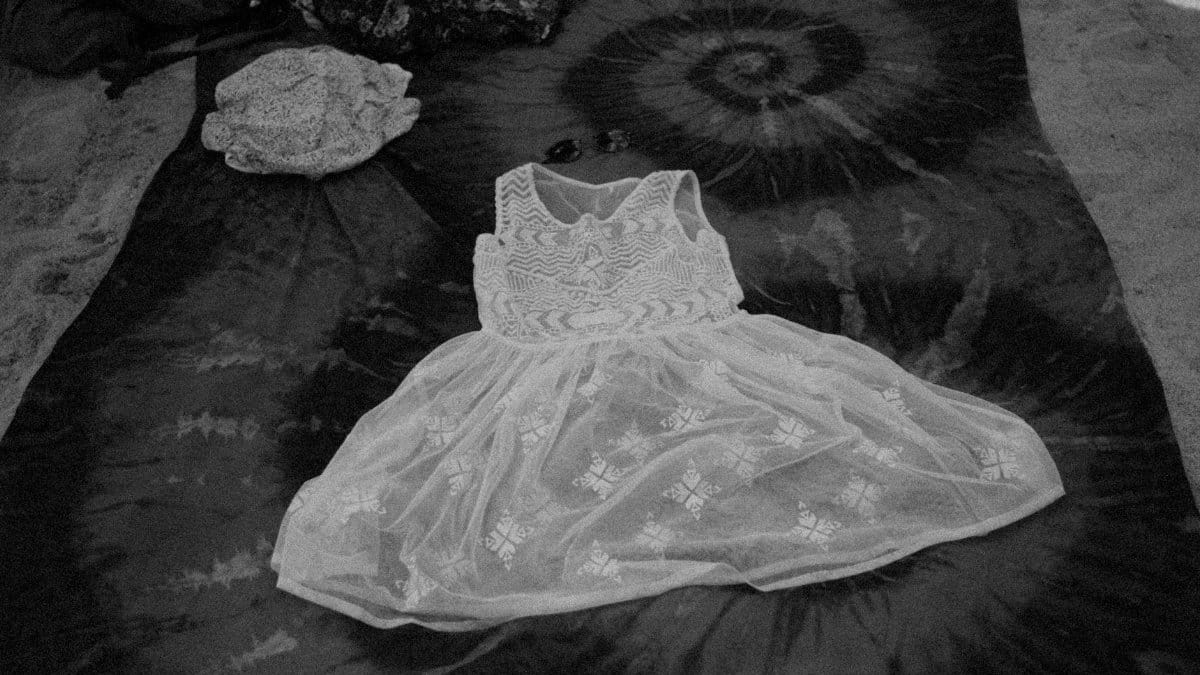
Observers still recall the intensity of that online debate. The same pixels produced opposite conclusions depending on lighting assumptions each person brought to the image. Follow up experiments confirmed that early visual processing varies with prior exposure to indoor or outdoor scenes. These results moved Power of Perception Psychology from abstract theory into everyday conversation.
Early Thinkers Who Noticed the Pattern

Philosophers in the eighteenth century described similar gaps between stimulus and experience. Their writings noted that two witnesses to one event could offer incompatible accounts without either intending deceit. Contemporary researchers return to those observations when designing controlled trials that isolate the contribution of expectation.
Lighting Assumptions Shape Color Judgment
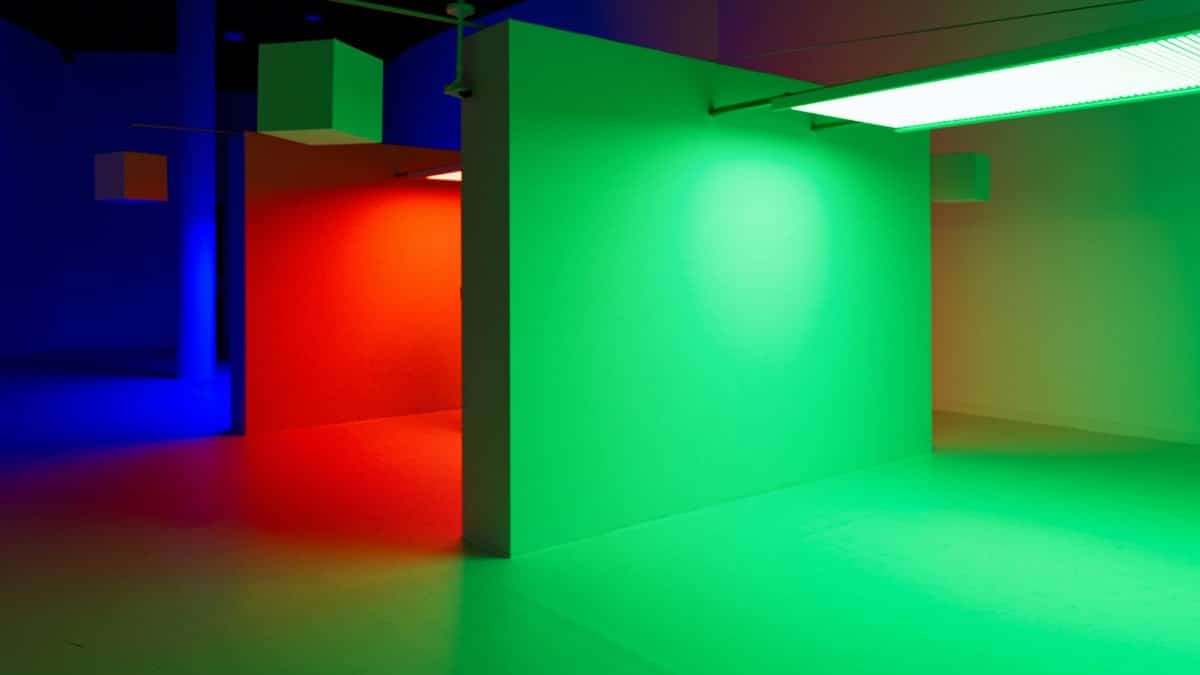
The brain discounts certain wavelengths based on inferred time of day. When the discount is misapplied, the remaining colors shift dramatically. Laboratory recreations of the dress photo allow scientists to adjust surrounding illumination and watch judgments flip within seconds. Such work demonstrates the speed at which Power of Perception Psychology operates below awareness.
Memory Colors Influence Daily Choices

Shoppers often select fruit under store lighting that differs from home conditions. The mismatch can produce disappointment once the produce reaches the kitchen counter. Studies track how repeated exposure to particular light sources recalibrates expectations over weeks rather than minutes.
Professional Fields Affected by the Same Mechanism

Radiologists reviewing scans bring forward knowledge of typical anatomy that can either clarify or obscure anomalies. Courtroom witnesses likewise interpret gestures through cultural lenses acquired long before the day of testimony. Training programs now incorporate explicit discussion of these filters to reduce systematic oversights.
Brain Imaging Reveals the Pathway
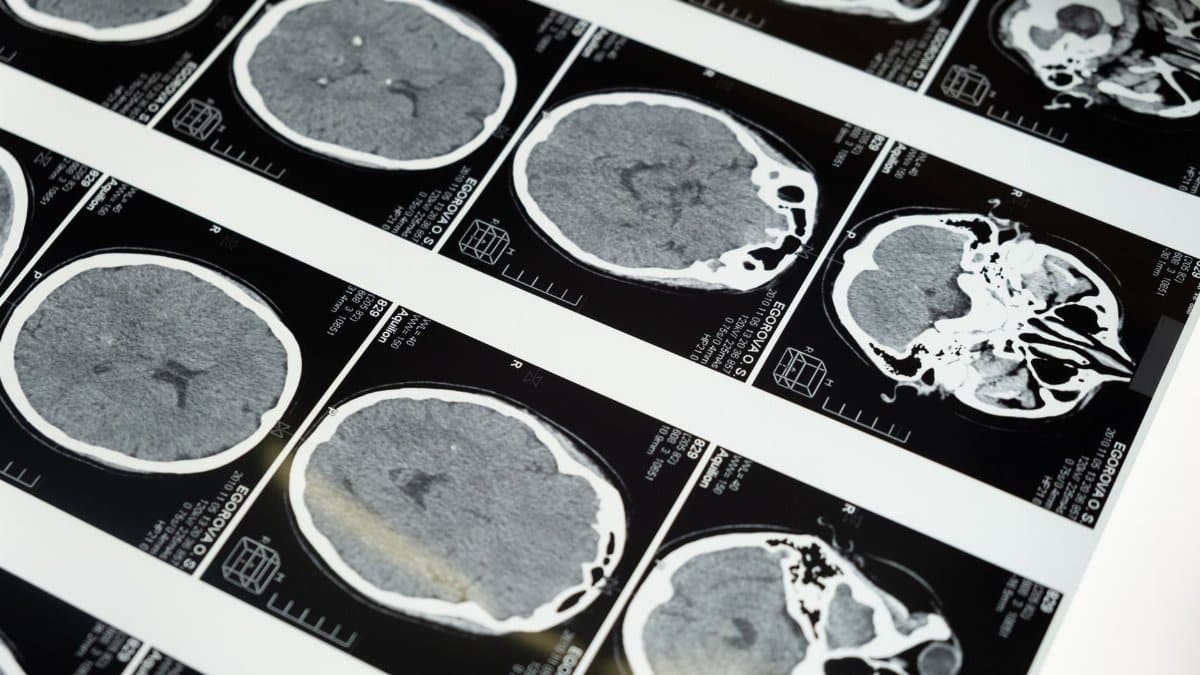
Functional scans show heightened activity in areas associated with memory retrieval even when participants view simple geometric forms. The activation occurs before conscious recognition, suggesting that stored templates guide initial interpretation. Power of Perception Psychology therefore begins its work well before any deliberate thought.
Cross Cultural Comparisons Add Perspective

Groups raised in environments with different predominant light conditions display reliable differences in how they classify ambiguous hues. These patterns persist even after participants relocate, indicating that early calibration leaves lasting traces rather than resetting quickly.
Practical Steps for Greater Accuracy

Individuals can pause before reaching conclusions when stakes are high. Asking what assumptions about context might be operating often surfaces alternative readings of the same data. Organizations that adopt such pauses report fewer downstream corrections in reports and evaluations.
Future Experiments on the Horizon

Ongoing projects combine virtual reality with eye tracking to present identical scenes under varied instructional sets. Early data suggest that merely changing the stated goal of an observation alters which details receive priority. The American Psychological Association maintains updates on these trials at https://www.apa.org/monitor/2026/07-08.
Implications for Public Discourse
News photographs and video clips travel without their original lighting context. Viewers therefore apply personal templates that may diverge from the conditions present at the moment of capture. Awareness of Power of Perception Psychology encourages slower reactions to emotionally charged images and more requests for additional context before conclusions solidify.