

In courtrooms across America a recurring pattern emerges where women who have endured prolonged abuse at home suddenly face prosecution after defending themselves. One such case involved a mother of two who had called police repeatedly over the years only to be arrested herself the night she fought back. Her experience reflects broader issues tied to Domestic Violence Survivors Prison where the legal system often overlooks the context of trauma.
Understanding the Path from Abuse to Incarceration
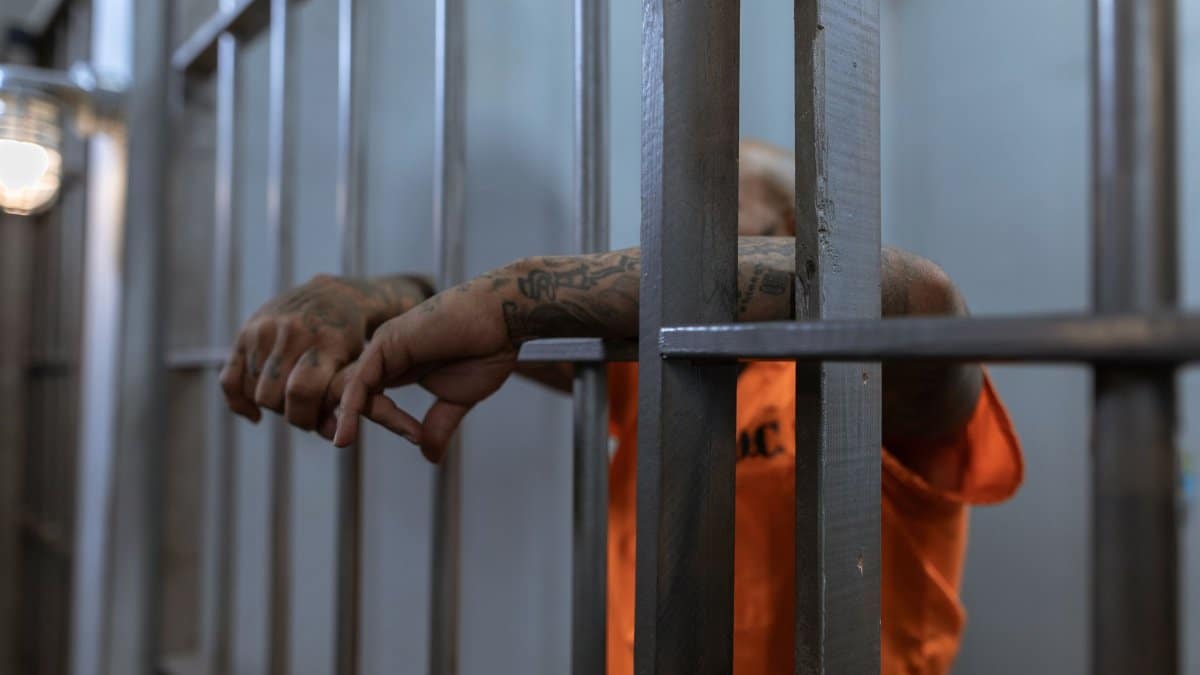
Many women enter prison with extensive histories of violence inflicted upon them by intimate partners. Research from the source at https://greatergood.berkeley.edu/article/item/why_do_so_many_women_go_to_prison_after_surviving_domestic_violence shows that a majority report prior victimization yet few receive appropriate consideration during trials.
Legal Barriers to Fair Defense

Courts frequently reject claims of self defense when evidence of long standing abuse exists but lacks immediate documentation. This creates situations where survivors must prove their actions were reasonable under extreme duress without adequate expert testimony on trauma effects.
Impact of Mandatory Arrest Rules

Policies requiring arrests in domestic calls sometimes result in dual arrests or charges against the primary victim. Such practices overlook power imbalances and push survivors toward plea deals that lead directly into the prison system.
Role of Trauma in Sentencing Decisions

Judges and juries may misinterpret signs of post traumatic stress as indicators of aggression rather than responses to sustained harm. Without specialized training legal professionals often impose harsher penalties on those who have already suffered greatly.
Support Gaps in Correctional Facilities

Once inside prison survivors encounter limited access to counseling focused on abuse recovery. Programs tend to emphasize punishment over rehabilitation leaving women unprepared for release and vulnerable to repeated cycles.
Stories from Affected Families

Children of incarcerated survivors face disrupted lives and stigma that compounds the original family trauma. Extended relatives often assume caregiving roles amid financial strain caused by lost income and legal fees.
Advocacy Efforts for Policy Change

Groups across states push for laws that require consideration of abuse histories during prosecutions. These initiatives seek to reduce entries into Domestic Violence Survivors Prison by training law enforcement on recognizing primary aggressors.
Economic Factors Influencing Outcomes

Limited resources prevent many survivors from securing quality legal representation capable of presenting full context in court. Public defenders handle heavy caseloads that restrict time for thorough investigations into abuse patterns.
International Comparisons in Justice Approaches

Other nations incorporate gender sensitive guidelines more consistently when handling cases involving prior victimization. These models demonstrate lower incarceration rates for women who act in response to domestic threats.
Future Directions for Reform

Continued attention to Domestic Violence Survivors Prison could lead to integrated services combining legal aid with mental health support. Such steps would address root causes rather than symptoms alone.