
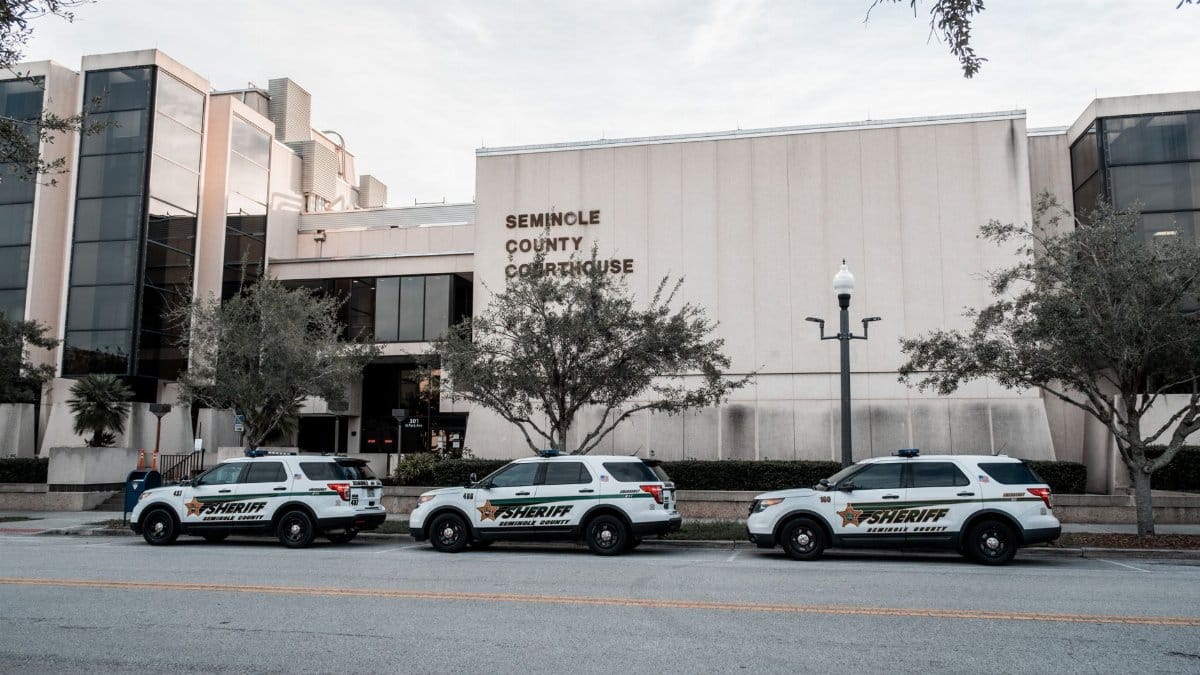
In a small courtroom northwest of Dallas the judge stunned observers by stopping the proceedings against Sheriff Adam King before the jury could reach a verdict. The move left attorneys and staff members alike sorting through what had gone wrong in a case built on claims of workplace misconduct. Observers noted that the Johnson County Sheriff mistrial now stands as a rare interruption in a matter that had drawn steady local attention for months.
The Courtroom Scene Unfolds

Proceedings had stretched across several days with testimony from current and former employees. Tension rose when defense counsel objected to certain lines of questioning. The judge conferred with both sides and then announced the mistrial citing concerns over fairness that could not be resolved in the moment.
Who Is Sheriff Adam King
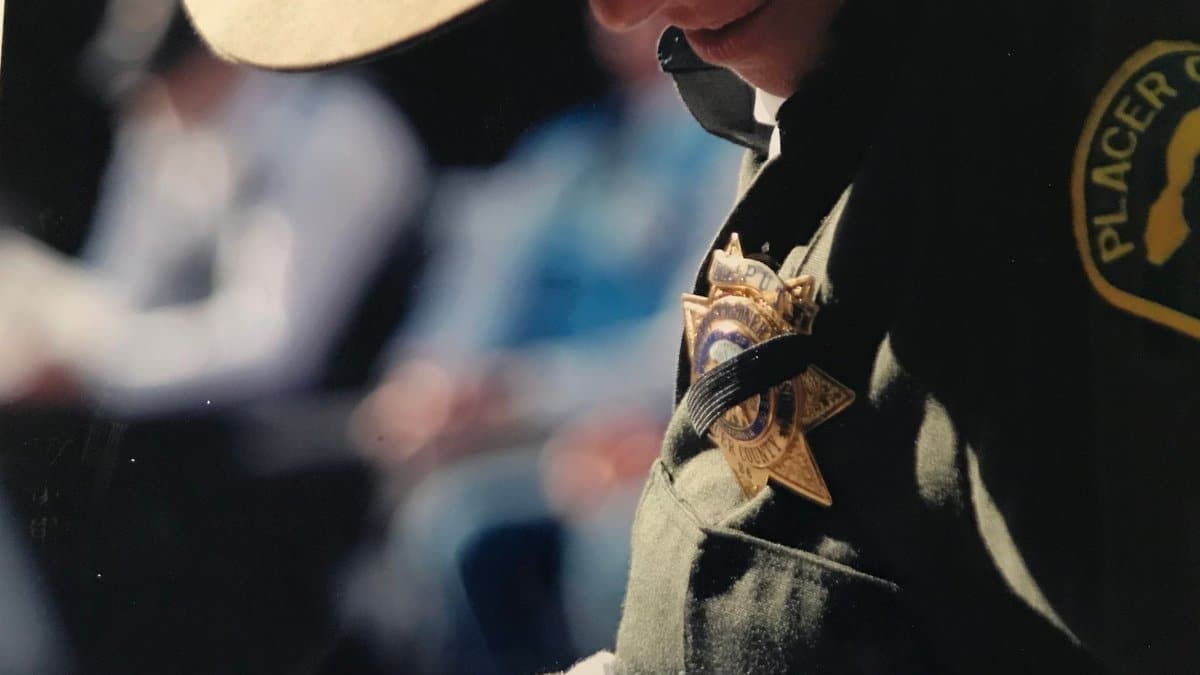
Adam King won election to the top law enforcement post in Johnson County several years ago. Colleagues described him as a steady presence focused on rural patrol and jail operations. The allegations that surfaced later contrasted sharply with that public image.
Nature of the Accusations

Multiple women who worked in the sheriffs office claimed unwanted advances and later faced shifts in assignments or reduced hours. Prosecutors argued these actions amounted to retaliation after complaints reached supervisors. The defense maintained that personnel decisions followed standard policy unrelated to any personal matters.
Why the Judge Stopped the Trial

Legal experts following the case pointed to an evidentiary ruling that appeared to favor one side too strongly. Once that ruling stood the judge concluded the trial could not continue without risking an appeal on constitutional grounds. Such declarations remain uncommon yet serve as a safeguard when balance seems lost.
Reactions From Employees and Residents

Staff members who had testified expressed relief mixed with uncertainty about next steps. Some residents voiced support for King while others called for a fresh examination of office culture. Local civic groups scheduled meetings to discuss workplace standards in county departments.
Legal Options Moving Forward
Prosecutors must decide whether to refile charges or seek a new venue. Defense attorneys signaled readiness to resume if a second trial is scheduled. Appeals courts could also review the original rulings that led to the halt.
Broader Questions on Workplace Conduct

The episode highlights ongoing challenges in small law enforcement agencies where lines between professional and personal conduct can blur. Training programs on harassment policies have expanded in recent years yet enforcement varies widely across jurisdictions.
Media Coverage and Public Interest

Local outlets followed each hearing with detailed accounts while national attention stayed modest. Readers sought updates through court filings rather than dramatic headlines. This steady interest reflects the everyday stakes for public employees and elected officials alike.
Impact on the Sheriffs Office Operations
Daily patrols and jail management continued without interruption during the trial. Interim leadership handled routine decisions while King stepped back from some public duties. Morale among deputies appeared steady though conversations about office policies grew more frequent.
Lessons for Other County Governments

Neighboring counties have begun reviewing their own complaint procedures in light of the developments. Officials hope clearer guidelines will reduce future disputes and encourage early resolution before matters reach court. Such reviews often lead to updated handbooks and additional staff training sessions.