
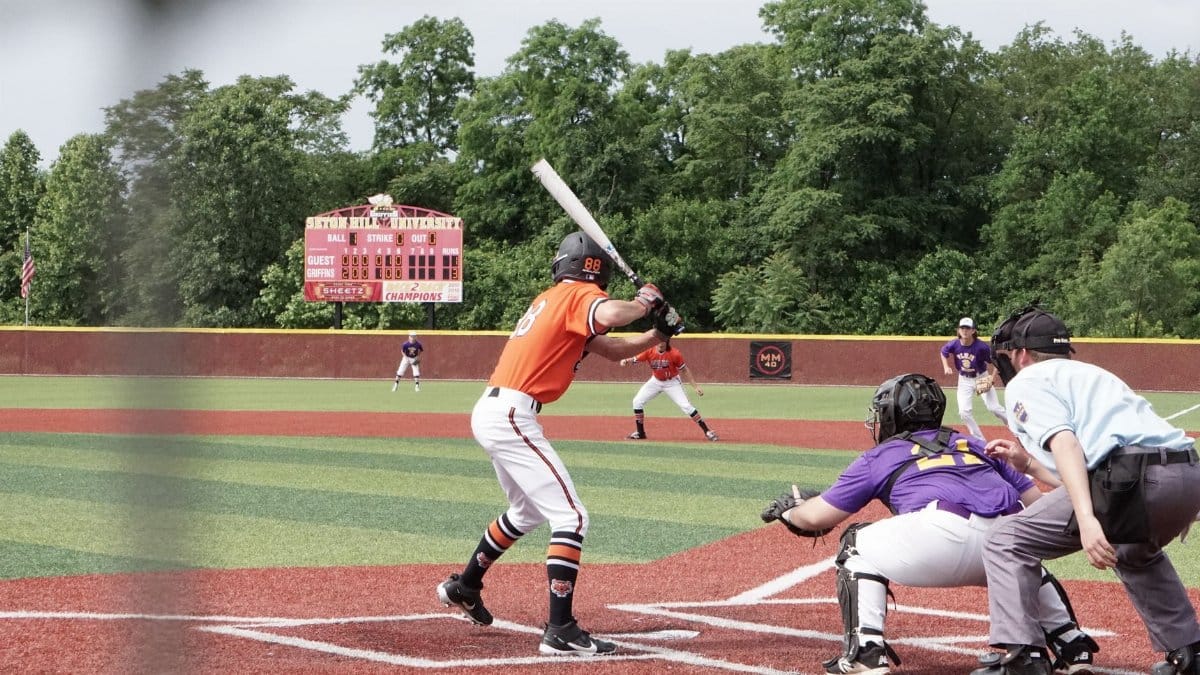
In recent years the Midwest has steadily supplied Major League Baseball with athletes who combine raw skill and steady temperament. Attention turned once more to MLB draft local Illinois players as the 2026 selection process unfolded, revealing a cluster of prospects whose journeys began on neighborhood fields from the south side of Chicago to the suburbs of Northwest Indiana. Two of those athletes heard their names called inside the top ten, a result that stirred quiet pride in living rooms across the region and reminded observers that sustained local investment in youth programs can still yield national results.
Early Round Surprises From Chicago Area Programs
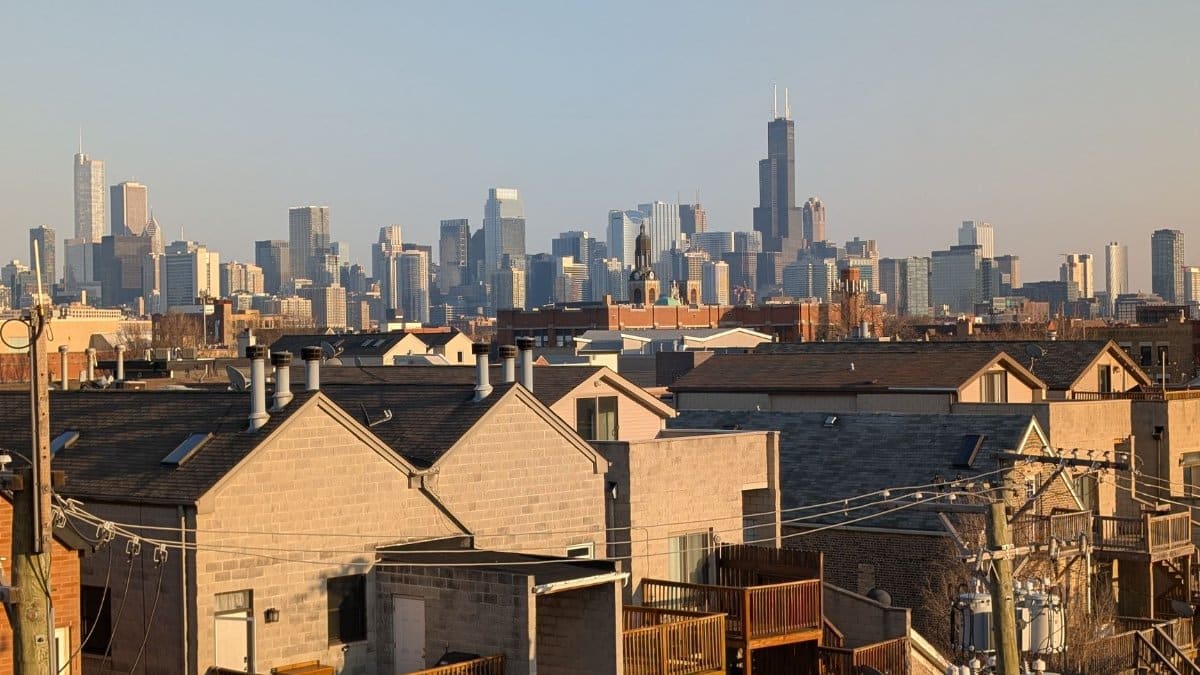
The opening night of the draft brought immediate validation for several area coaches who had worked with the same athletes since their early teens. One outfielder raised in the western suburbs impressed scouts with consistent contact and defensive range, prompting a team to select him sixth overall. His path included summer leagues that emphasized fundamentals rather than showcase statistics, a choice that paid off when evaluators noted his low strikeout rate.
Northwest Indiana Arms That Drew National Attention
Across the state line, two pitchers from the same highschool conference also advanced quickly through the draft. Both possessed fastballs that touched the mid nineties yet relied more on command than sheer velocity. Their selections in the first round underscored how regional travel teams have quietly upgraded facilities and coaching staffs over the past decade.
Family Backgrounds That Shaped Draft Decisions

Many of the drafted athletes credited parents who balanced work schedules with long drives to practice fields. One catcher described how his father, a former college infielder, constructed a backyard cage that remained in use through winter months. Such modest setups often receive little notice yet produce the repetition that later separates professional prospects from peers.
Highschool Coaches Who Built Lasting Foundations
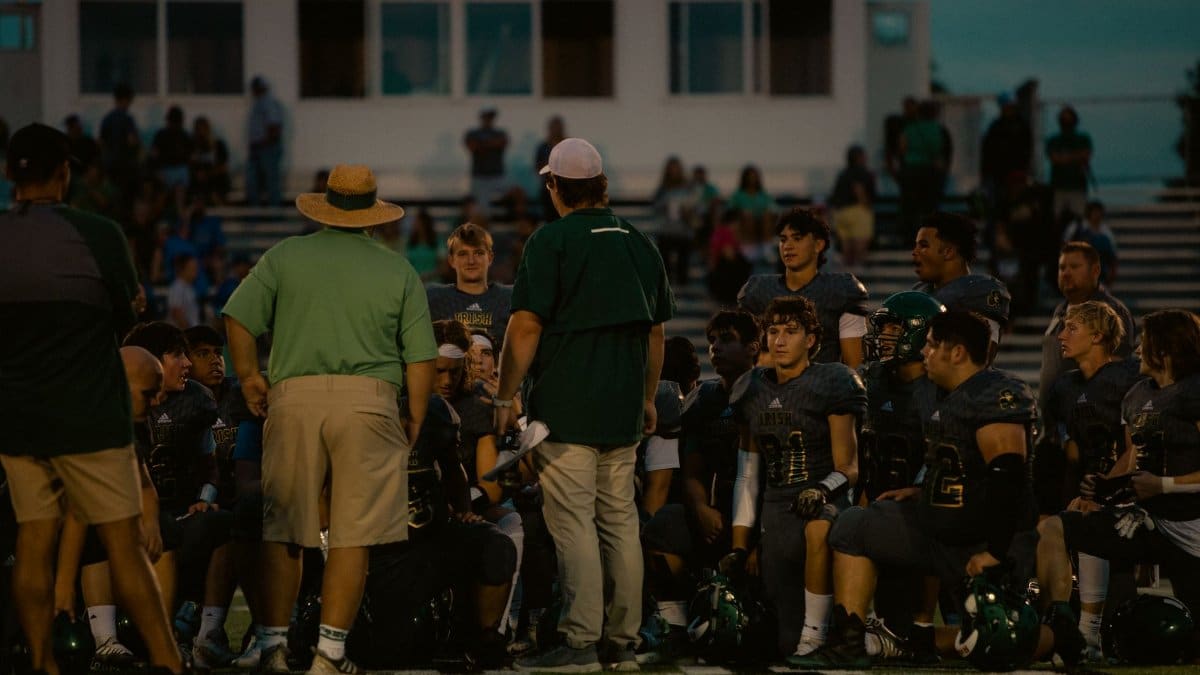
Local mentors played a central role in keeping prospects grounded during the months leading up to the draft. Rather than chasing viral highlights, these coaches stressed situational awareness and accountability in the clubhouse. Several draftees mentioned specific drills that improved their ability to adjust mid at bat, skills that surfaced during private workouts with major league staff.
Community Fields Still Central To Development
Public parks and school diamonds continue to serve as primary training grounds for Illinois talent. Unlike facilities that charge hourly fees, these open spaces allow younger siblings and neighbors to watch and learn without cost. The resulting culture of shared knowledge helps explain why clusters of drafted players often emerge from the same zip codes year after year.
Scouting Networks That Extend Beyond Tournaments
Area scouts have expanded their coverage to include fall league games and even off season weight room sessions. This deeper observation window revealed character traits such as resilience after injuries or willingness to mentor younger teammates. Those intangible qualities influenced draft order as much as measurable tools displayed during formal showcases.
College Choices That Delayed Or Advanced Draft Stock

A handful of the selected players had earlier opportunities to sign but opted for campus programs instead. Time at in state universities allowed them to refine pitch arsenals or add strength without the pressure of professional schedules. When they reentered the draft pool, teams valued the additional maturity and classroom experience they brought.
Local Media Coverage That Stayed Measured

Regional outlets reported on the prospects with restraint, avoiding premature comparisons to established stars. That approach helped families maintain perspective during an inherently uncertain process. Athletes later noted that the absence of hype allowed them to focus on daily improvement rather than external expectations.
Future Impact On Youth Participation Rates
With multiple local selections now under contract, youth league registration numbers are expected to rise in the coming seasons. Parents who once viewed baseball as an expensive pursuit now see clearer pathways from neighborhood teams to professional contracts. The visibility of familiar names on draft boards provides tangible proof that talent pipelines remain open.
Challenges That Remain For Sustained Success

Despite the positive results, observers caution that facility maintenance and coaching stipends still lag behind wealthier districts in other states. Continued private donations and school district support will determine whether the current wave of talent represents a lasting trend or a temporary peak. Area organizations have begun discussing collaborative funding models to address those gaps.