
Thousands flocked to Boston Common on a humid July evening, drawn by the electric atmosphere of international soccer matches unfolding across multiple venues. The city had prepared for months to welcome fans from around the globe, yet the reality of managing such an influx revealed both strengths and shortcomings in local planning. The Boston World Cup summer impact soon extended beyond the stadiums into neighborhoods, businesses and daily routines.
Visitor Numbers Climb Sharply

Hotel occupancy rates reached record levels during the tournament weeks. Many properties reported full bookings weeks in advance, with travelers arriving from Europe, South America and Asia. Local tourism officials noted that spending on lodging and dining rose noticeably compared with the same period in prior years. This surge helped offset slower seasons that often follow the academic calendar in a college heavy city.
Local Businesses See Mixed Results
Restaurants near fan zones enjoyed steady crowds, yet some owners described staffing shortages that limited service capacity. Retail shops selling team merchandise reported brisk sales, while others farther from event sites saw little change. The pattern suggested that proximity to matches determined how much each enterprise benefited from the added foot traffic.
Transportation Systems Under Strain
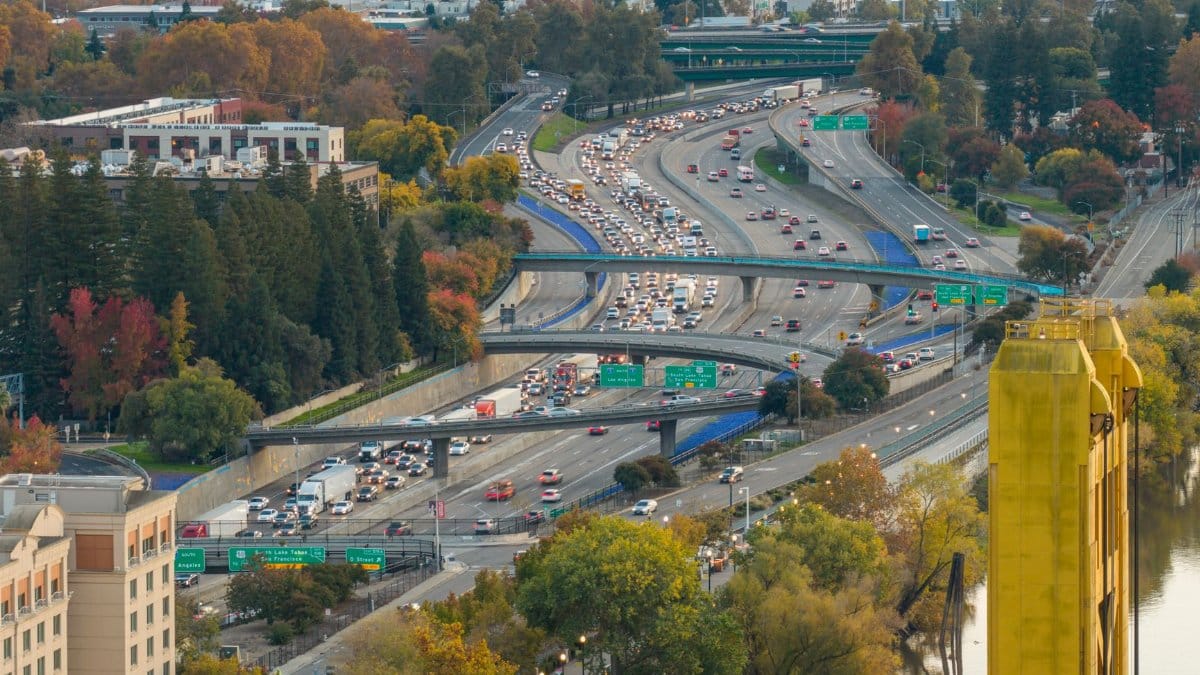
Subway lines and bus routes carried higher volumes than usual, leading to delays during peak hours. Officials added extra trains on game days, yet riders still complained about crowding and inconsistent schedules. Street closures around venues forced drivers to reroute, increasing commute times for residents who did not attend events.
Public Safety Measures Prove Effective
Police presence increased in key areas, contributing to a calm environment even when large groups gathered. Emergency services handled minor incidents without major disruptions, and coordination between city agencies and federal partners received positive reviews. Few serious security concerns arose despite the international scale of the gathering.
Community Reactions Vary by Neighborhood
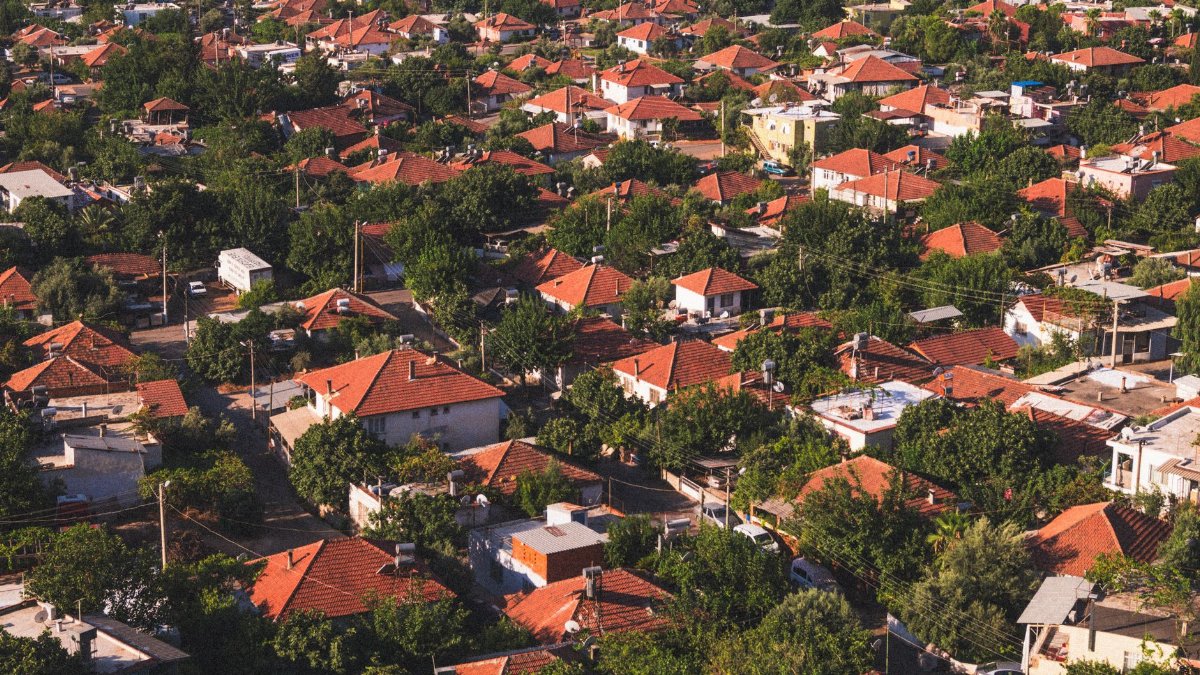
Residents in South Boston welcomed the energy and occasional street parties, while those in quieter districts expressed frustration over noise and parking shortages. Community meetings held after the tournament highlighted a desire for better advance notice on road restrictions. These conversations revealed differing priorities between longtime locals and newer arrivals.
Infrastructure Upgrades Fall Short
Some temporary facilities, including viewing areas and restroom stations, were installed quickly yet showed signs of wear by the final matches. Permanent improvements to parks and sidewalks remained incomplete in several spots. Planners acknowledged that tighter timelines limited the scope of work that could be finished before the first kickoff.
Economic Data Reflect Broader Trends

City ledgers recorded increased tax revenue from hotel and meal taxes during the period. Economists tracking the figures cautioned that gains might prove temporary without sustained marketing to repeat visitors. Comparisons with past large events suggested that follow up promotion would determine whether the momentum continues into future seasons.
Lessons for Future Hosting Opportunities

Organizers compiled reports on what worked and what required adjustment. Recommendations included earlier coordination with transit authorities and expanded outreach to small businesses. These documents now serve as reference material for other American cities considering bids for similar international tournaments.
Environmental Considerations Surface
Increased waste from disposable food containers prompted discussions about recycling programs at future gatherings. Some vendors experimented with compostable materials, though collection systems struggled to keep pace. Observers noted that environmental planning deserves equal weight with security and logistics in the next round of preparations.