
Voters in the Twin Cities and beyond have started to question how lapses in oversight have affected daily life under the current administration. The discussion around Minnesota Democrats fraud midterms has gained traction as residents examine spending patterns and program integrity ahead of the fall contests. Many see the race as a chance to reassess priorities that touch everything from education funding to health services. Public records show repeated audits that flagged improper payments in state agencies. These developments have prompted candidates from both parties to address trust as a central campaign theme.
Background on Recent Audit Findings

State examiners released reports last year that pointed to millions in questionable disbursements within several departments. Officials attributed some errors to outdated tracking systems yet critics argued that weak internal controls allowed the problems to persist. Lawmakers responded with new legislation aimed at tightening reporting requirements. The measures passed with bipartisan support though implementation timelines remain under review.
Role of Governor Tim Walz Administration
During his time in office Governor Tim Walz oversaw expansions in social programs that drew both praise and scrutiny. Supporters highlight increased access to services while opponents cite the same audits as evidence of insufficient safeguards. Staff changes in key oversight positions occurred midway through the term. Observers note that these shifts coincided with rising caseloads in certain benefit programs.
Impact on Legislative Contests
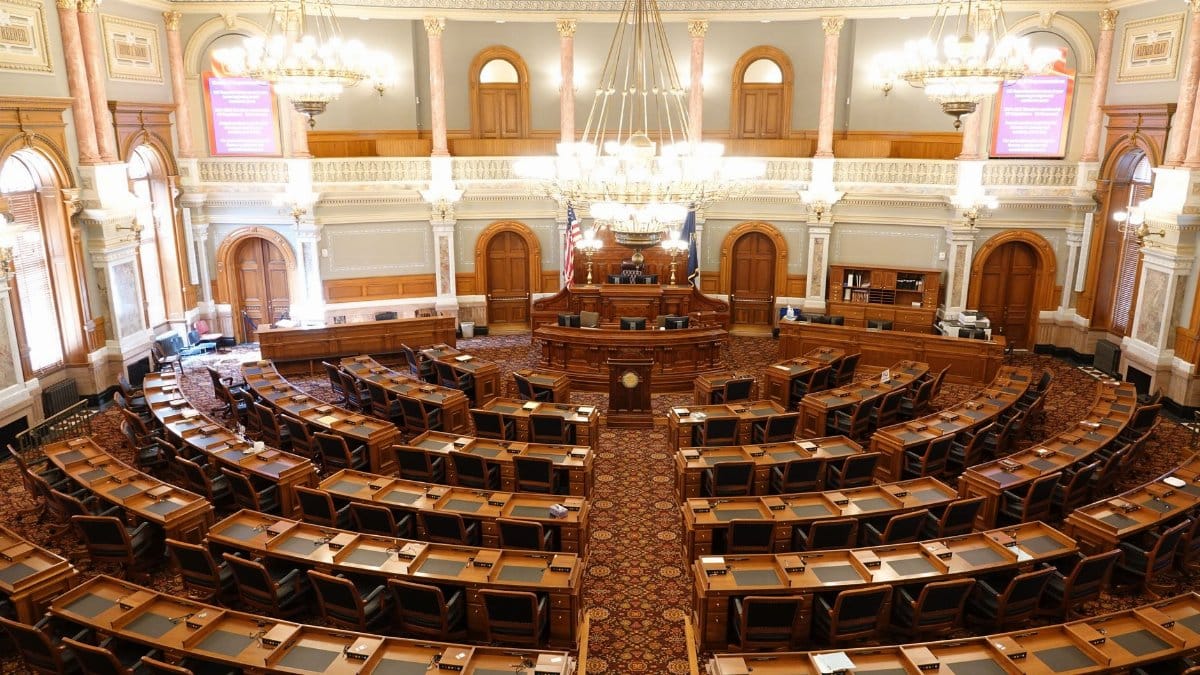
Candidates for state house and senate seats have incorporated accountability themes into their platforms. Incumbents emphasize ongoing reforms while challengers promise independent reviews once elected. Polling data indicates that a notable share of independent voters list integrity concerns among their top issues. Turnout in primary elections reflected heightened engagement in districts where the topic received local media attention.
Public Reaction Across Regions
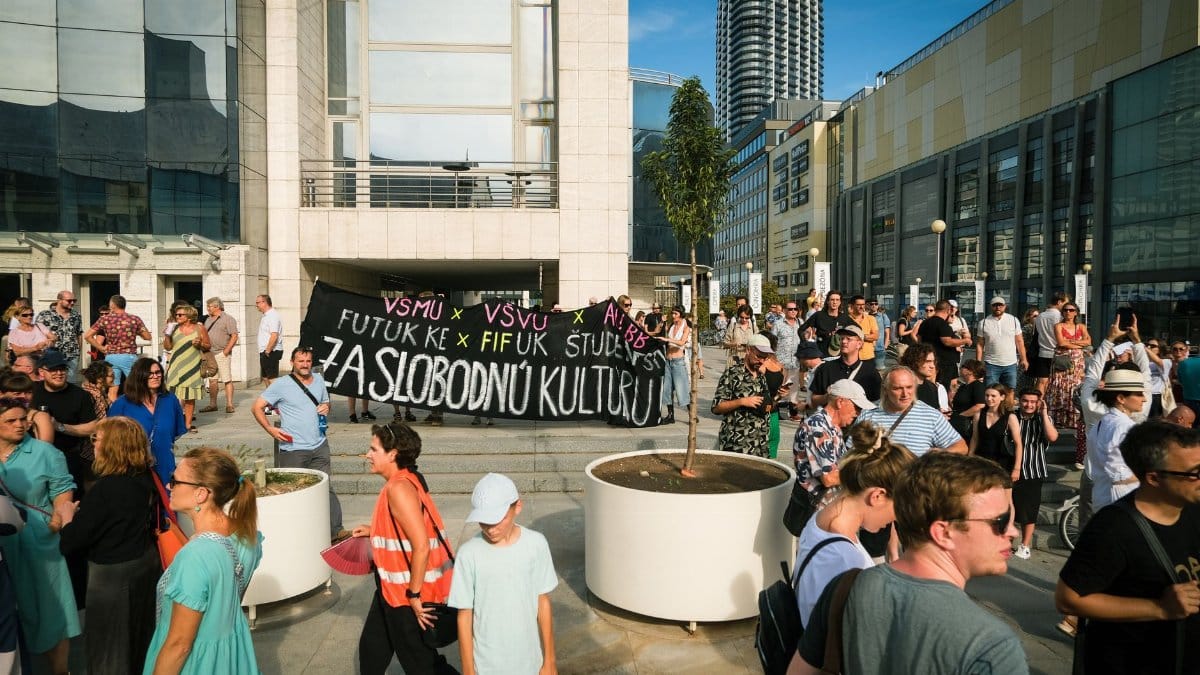
Rural communities have voiced frustration over perceived disparities in how funds reach local projects. Urban neighborhoods meanwhile focus on housing assistance programs that faced delays. Community forums hosted by civic groups drew steady attendance this summer. Participants asked detailed questions about repayment timelines for identified overpayments.
Comparison With Prior Election Cycles
Past midterm periods in Minnesota centered more on tax policy and infrastructure needs. The current environment places greater weight on administrative performance. Historical voting records show shifts in suburban precincts during periods of heightened scrutiny. Analysts expect similar patterns this year based on early survey responses.
Statements From Party Leaders

Democratic figures stress that corrective steps are already underway and point to recent budget adjustments. Republican counterparts call for external audits conducted by federal partners. Both sides have released position papers outlining proposed changes to procurement rules. Media outlets have covered these exchanges with attention to specific dollar amounts involved.
Potential Outcomes for Policy Direction

A change in legislative majority could alter funding formulas for several agencies. Continuity might accelerate the rollout of new compliance software already in testing phases. Either scenario will likely influence how future budgets allocate resources for monitoring. Experts in public administration suggest that sustained attention from voters remains essential regardless of results.
Broader Implications for State Governance

Minnesota Democrats fraud midterms has become shorthand for a wider debate on how states balance ambition with prudence in public spending. Other states facing similar audit issues have adopted hybrid oversight models that combine legislative and citizen panels. Minnesota lawmakers have studied those approaches during committee hearings. The outcome of the contests may determine whether such ideas advance here.
Looking Ahead to November

Campaign events continue to draw questions about the path forward for restored confidence in state operations. Minnesota Democrats fraud midterms surfaces repeatedly in candidate forums as residents weigh their choices. Coverage in local outlets has helped keep the topic visible. Final voter decisions will shape the next chapter in state fiscal management.