
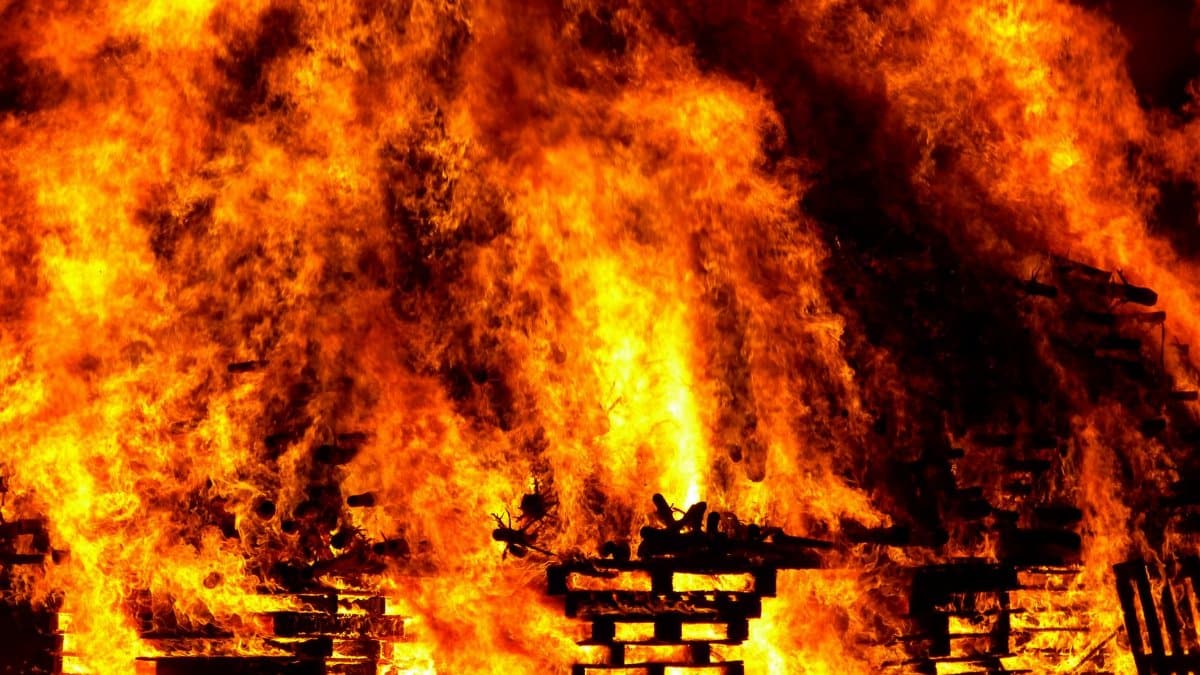
Across the American landscape communities are bracing for an intense period of soaring temperatures that experts say could reshape daily life in profound ways. The US heat wave July 2026 arrives at a moment when many families already juggle work health and family obligations under pressure from prior seasons of erratic weather. Meteorologists point to persistent high pressure systems that trap warmth and limit cooling breezes leaving residents from the plains to the eastern seaboard exposed to conditions that test both infrastructure and personal endurance.
Regional Patterns Across the Lower Forty Eight

Forecasters describe a broad swath of states facing consecutive days above seasonal norms with urban centers experiencing amplified effects due to concrete and asphalt. Rural areas may see slightly lower peaks yet still encounter humidity levels that make outdoor labor hazardous during peak sun hours. This distribution means preparation cannot rely on past experiences alone as each locale adapts its response strategies.
Health Concerns for Vulnerable Populations

Medical professionals emphasize risks to older adults young children and those with preexisting respiratory issues who face elevated chances of heat related complications. Hospitals report increased inquiries about cooling resources and hydration plans while public health departments expand outreach through community centers. Access to air conditioned spaces remains uneven highlighting ongoing gaps in support systems for lower income neighborhoods.
Adjustments in Work and School Schedules

Employers in construction agriculture and delivery services review shift timings to avoid midday extremes while some school districts consider shortened sessions or remote options. These changes affect household routines as parents coordinate childcare and transportation amid the altered calendars. Productivity metrics in various sectors may dip temporarily as workers prioritize safety over speed.
Strain on Power Grids and Utilities
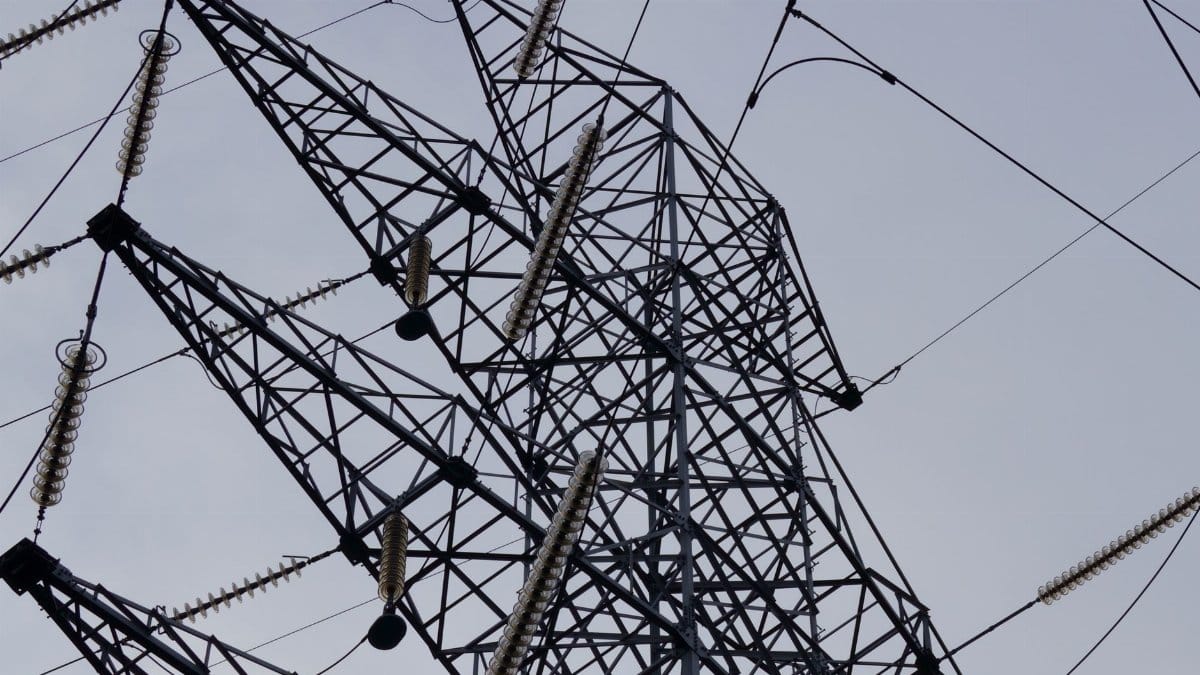
Utility companies monitor demand spikes that could lead to rolling outages if consumption exceeds capacity during evening hours when residents return home. Investments in renewable sources help offset some load yet transmission lines in older regions show vulnerabilities under sustained stress. Officials urge conservation measures such as shifting appliance use to cooler parts of the day.
Reflections on Human Connection with Nature

In times of environmental stress many turn inward seeking meaning and resilience through faith traditions or quiet contemplation. The relentless sun serves as a reminder of larger forces beyond control prompting discussions in spiritual gatherings about stewardship and gratitude. Such moments foster community bonds as neighbors share resources and stories of endurance.
Long Term Implications for Infrastructure Planning
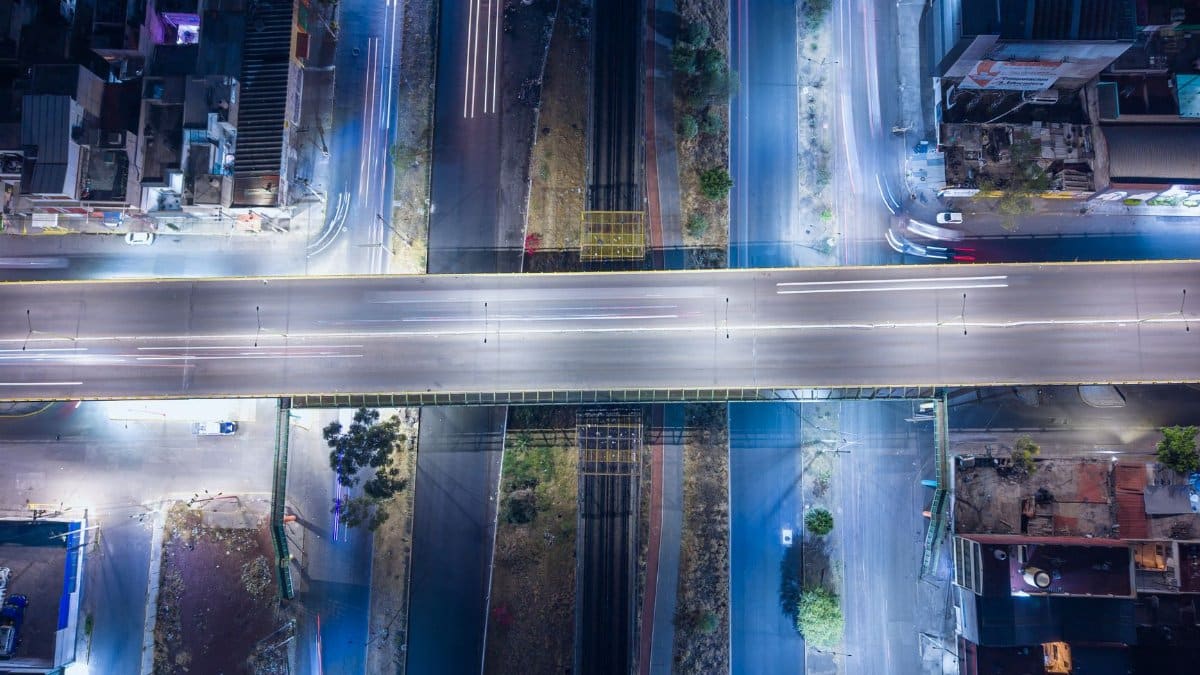
City planners examine how repeated events like this influence building codes and green space allocations to mitigate future impacts. Investments in tree canopies reflective roofing and water management gain attention as practical steps forward. These adaptations require coordinated efforts across government levels and private sectors to prove effective over decades.
Community Responses and Mutual Aid Networks
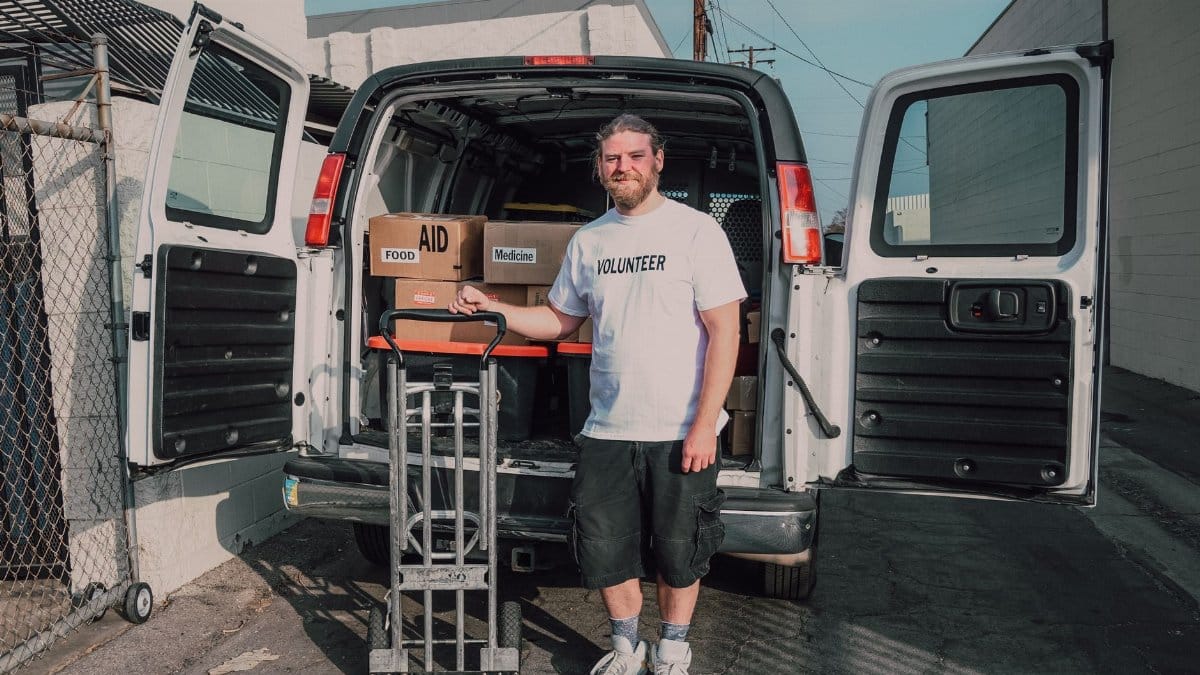
Local organizations coordinate distribution of fans water bottles and temporary shelters for those without reliable cooling at home. Volunteers check on isolated individuals while social media groups share real time updates on available services. Such grassroots actions complement official alerts and strengthen social ties during challenging periods.
Looking Ahead to Seasonal Outlook
Scientists continue tracking ocean temperatures and atmospheric patterns that may indicate whether similar conditions persist into late summer or ease with shifting winds. Public awareness campaigns stress ongoing vigilance rather than complacency after any brief relief. Preparation now lays groundwork for smoother navigation of whatever follows in coming months.