

Fifty years ago residents from every corner of California rose up against the threat of rampant building along the shoreline. Their determination produced one of the nations strongest environmental safeguards. Today that achievement marks a half century yet federal decisions connected to California Coastal Act Trump have turned the observance into a moment of unease rather than pure tribute.
The Birth of a Landmark Safeguard

In the early nineteen seventies public alarm grew over high rises and private enclaves blocking ocean views. Citizens collected signatures and testified at hearings until lawmakers responded with the Coastal Act. The measure created a commission empowered to review projects and balance growth with preservation of open space and public access.
Early Victories Along the Shoreline
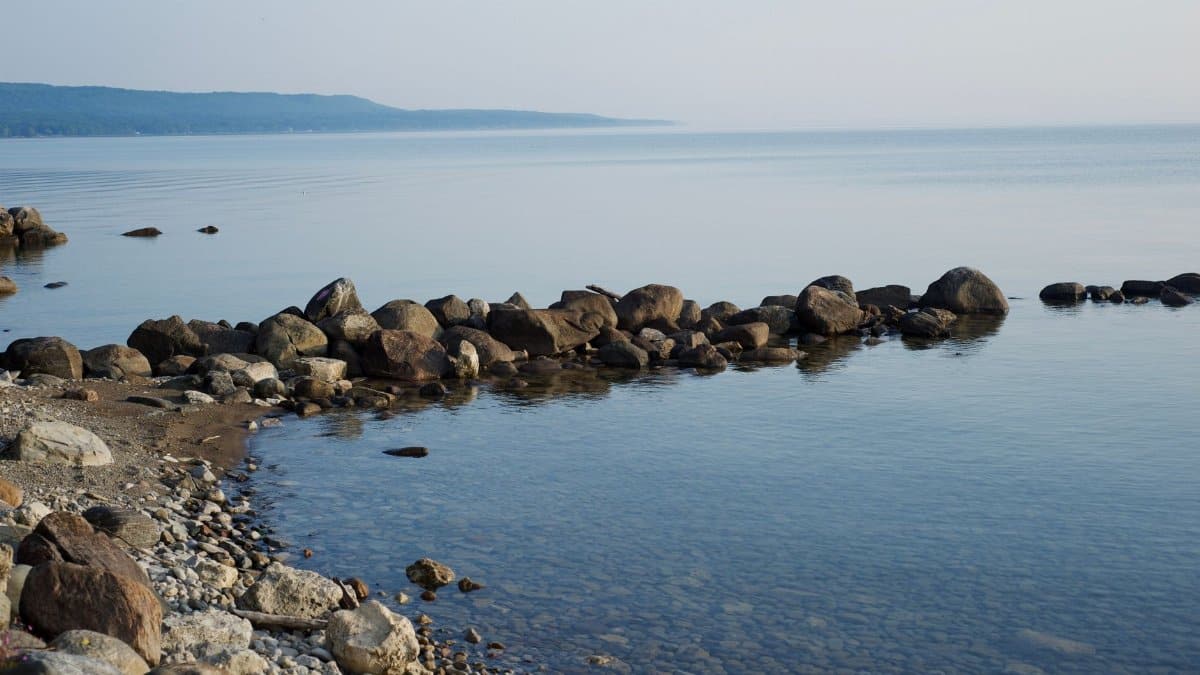
The first decade brought clear results. Wetlands once slated for marinas remained intact. Popular beaches stayed open to families rather than reserved for exclusive resorts. These outcomes showed that steady oversight could steer development away from fragile dunes and toward inland areas better suited for expansion.
Changing Tides in Washington

Recent federal reviews of permitting rules have introduced uncertainty. Projects previously blocked for environmental reasons now face faster consideration. Observers note that such shifts tied to California Coastal Act Trump may weaken the states ability to enforce its own standards on federal land near the coast.
Pressure on Marine Habitats
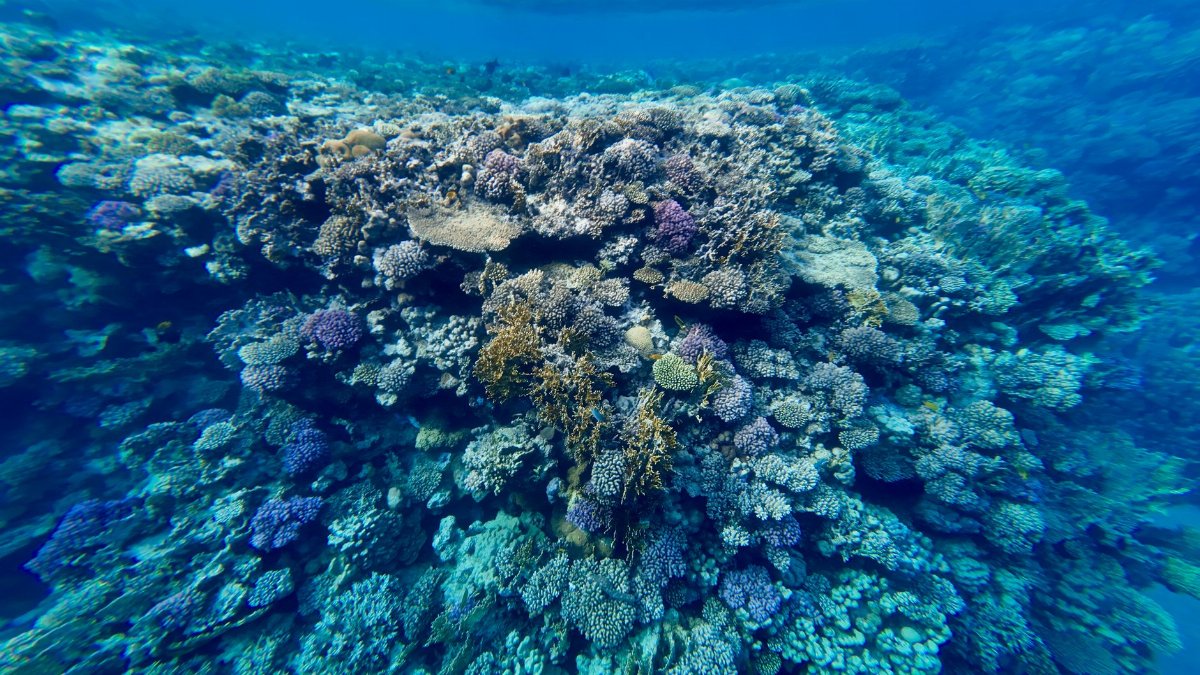
Tide pools and kelp forests support rich biodiversity yet face new stress when sediment runoff increases from accelerated construction. Scientists record declines in certain fish populations when protective buffers shrink. Local divers and fishers describe the changes as gradual yet unmistakable over the past several years.
Local Governments Push Back

City councils in coastal counties have passed resolutions urging continued strong enforcement. They argue that tourism revenue depends on clean water and scenic beauty. Meetings draw standing room crowds where residents share stories of favorite coves now at risk from renewed proposals.
Questions of Equity and Access

Lower income neighborhoods often lie farther from the water yet rely on public beaches for recreation. Advocates point out that any easing of rules could reduce affordable access points. They seek assurances that future decisions will keep equity in view alongside economic claims.
Industry Views on Regulation

Builders and hotel groups maintain that updated procedures can protect nature while allowing needed housing near job centers. They cite examples of projects redesigned with smaller footprints and native landscaping. Still they acknowledge that clear state and federal alignment remains essential to avoid drawn out disputes.
Looking Toward the Next Fifty Years

The anniversary invites reflection on what has worked and where gaps remain. Renewed dialogue between state agencies and federal partners could restore confidence. Without such steps the legacy of public action that created the Coastal Act risks fading under new political currents linked to California Coastal Act Trump.