
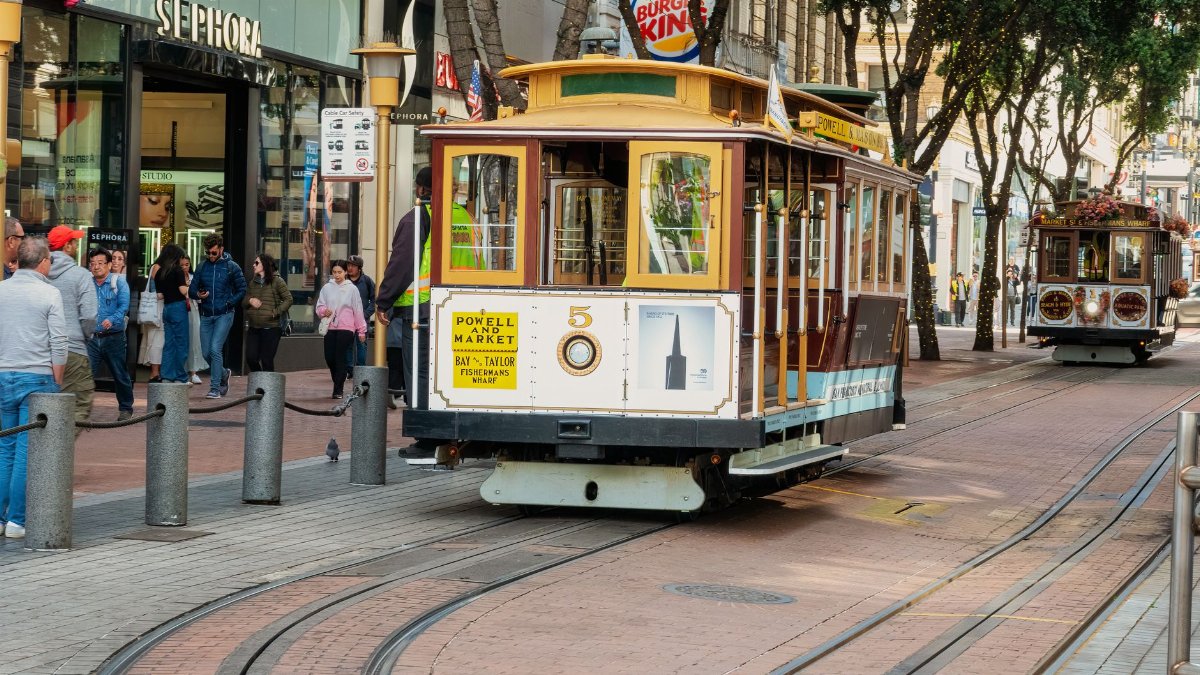
The sudden loss of a vital power link has left many in the Bay Area reflecting on how modern infrastructure shapes daily rhythms and community bonds. Residents noticed flickering lights and unexpected outages in early July as the Trans Bay Cable offline event rippled through the grid. Engineers traced the trouble to shifting seabed conditions that exposed the line to unusual stress. With San Francisco relying on this connection for a large share of its electricity the situation prompted quiet conversations about resilience and the unseen forces that sustain urban life. Officials moved quickly to reroute supply yet the episode stirred broader thoughts on humanity connection to natural systems beneath the waves.
Seabed Shifts Trigger Unexpected Repairs
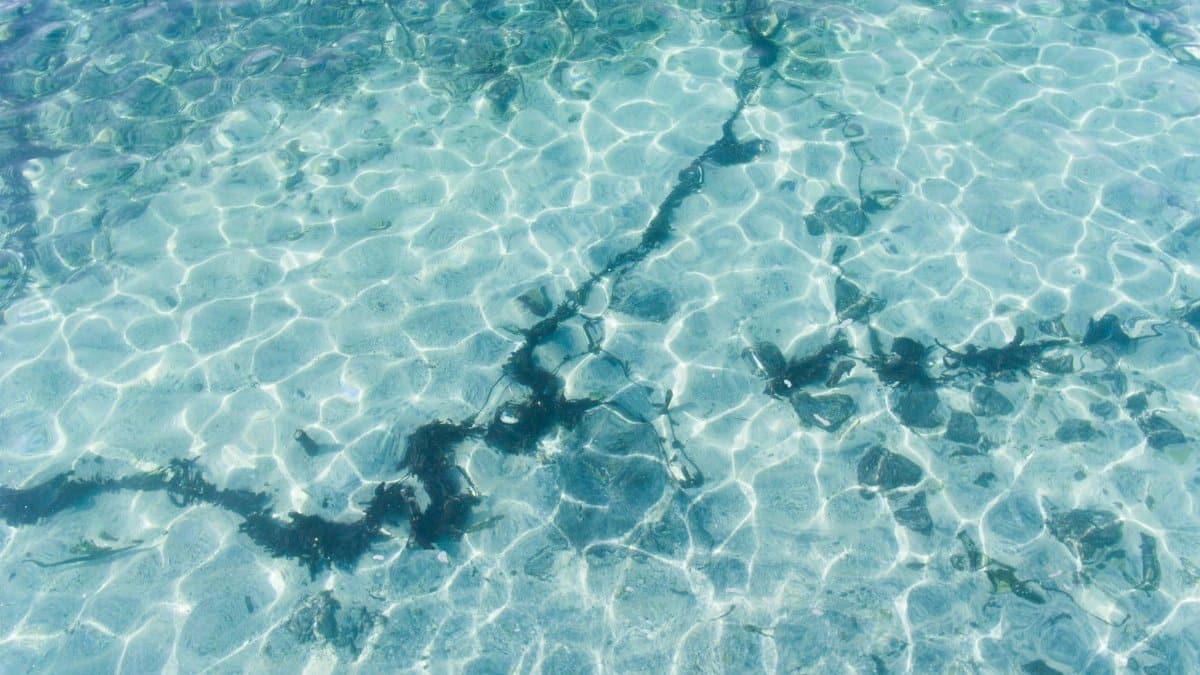
Underwater surveys revealed gradual erosion around the cable route that had gone unnoticed for years. Crews now work to stabilize the trench and shield the line from further movement. The project draws on lessons from similar efforts along other coastlines where sediment loss created comparable risks. Local divers describe the work as meticulous and slow paced to avoid disturbing marine habitats.
Power Flow Adjustments Across the Region
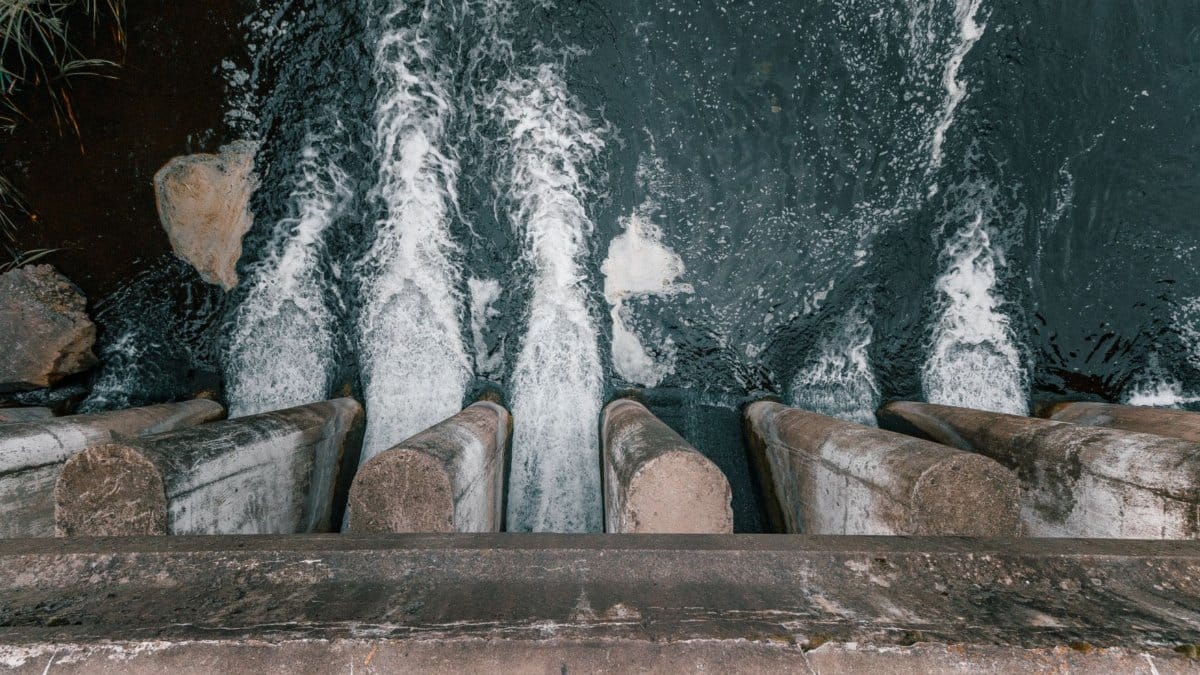
Grid operators activated backup sources to maintain steady delivery while the main line remains out of service. These steps have kept most homes and businesses running without major interruption though some neighborhoods report brief fluctuations during peak hours. Planners continue to monitor demand patterns to prevent overload on alternate routes.
Community Response and Daily Adaptations

Many households turned to energy saving habits such as shifting appliance use to off peak times. Community centers opened cooling spaces on warmer afternoons offering residents a place to gather and share practical tips. The episode highlighted how small collective changes can ease pressure on shared resources.
Environmental Considerations in the Repair Process

Teams employed low impact methods to limit disturbance to ocean floor ecosystems. Protective barriers now surround work zones to contain sediment and safeguard nearby fish populations. Biologists monitor water quality daily and report no significant changes thus far.
Historical Context of Bay Area Energy Links
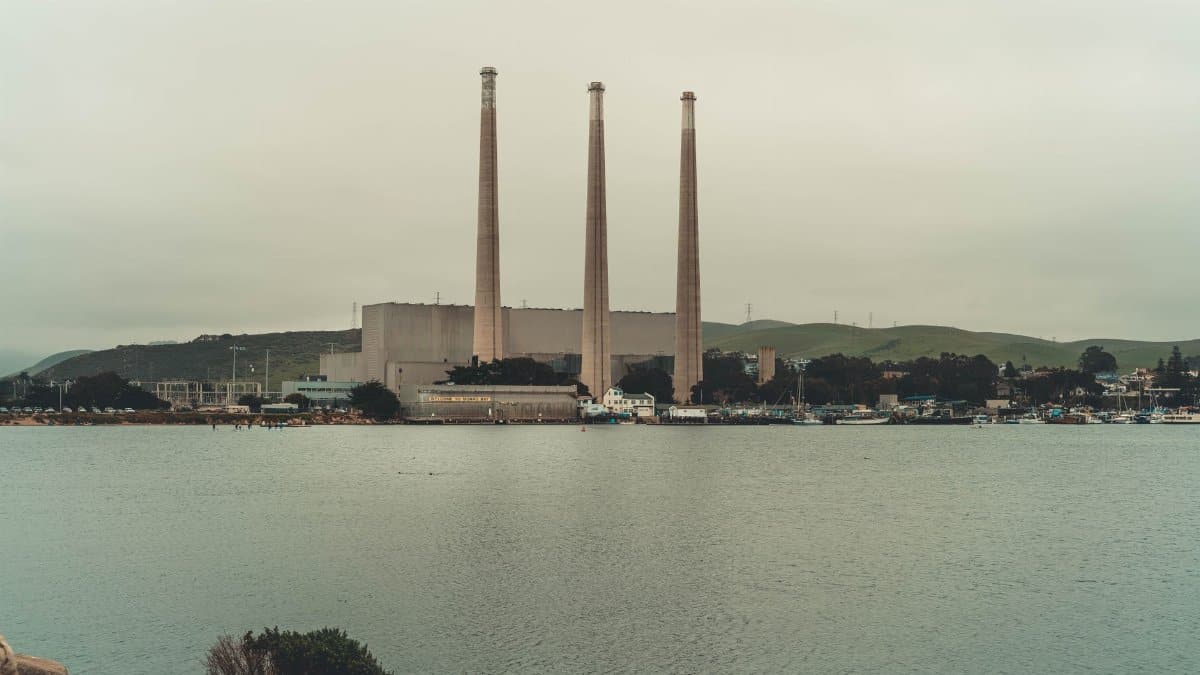
Earlier transmission projects faced their own geological challenges yet advanced materials and monitoring tools have improved outcomes over time. The current effort builds on that experience with updated mapping technology that allows precise tracking of seabed conditions. Such progress reflects ongoing efforts to align infrastructure with natural dynamics.
Economic Ripple Effects for Local Businesses

Restaurants and small manufacturers adjusted schedules to manage higher costs from temporary power arrangements. Some owners noted steady customer traffic despite the changes while others explored solar options for future independence. The situation encouraged fresh discussions about diversified energy strategies.
Looking Ahead to Full Restoration

Work is slated to conclude by late August allowing the line to resume normal operation. Engineers emphasize thorough testing before reconnection to ensure long term stability. The timeline offers a window for additional safeguards that could prevent similar issues.
Broader Reflections on Technology and Nature

Events like this invite contemplation of how human systems intersect with elemental forces. The Trans Bay Cable offline period serves as a reminder that even advanced networks depend on careful stewardship of the environment. Residents often find themselves pondering balance between convenience and respect for the planet hidden layers.
Lessons for Future Infrastructure Planning
Experts advocate more frequent inspections and adaptive designs that account for shifting conditions. Collaboration among utilities agencies and researchers has grown stronger in recent years fostering shared knowledge that benefits multiple regions. These partnerships may prove vital as coastal challenges evolve.