
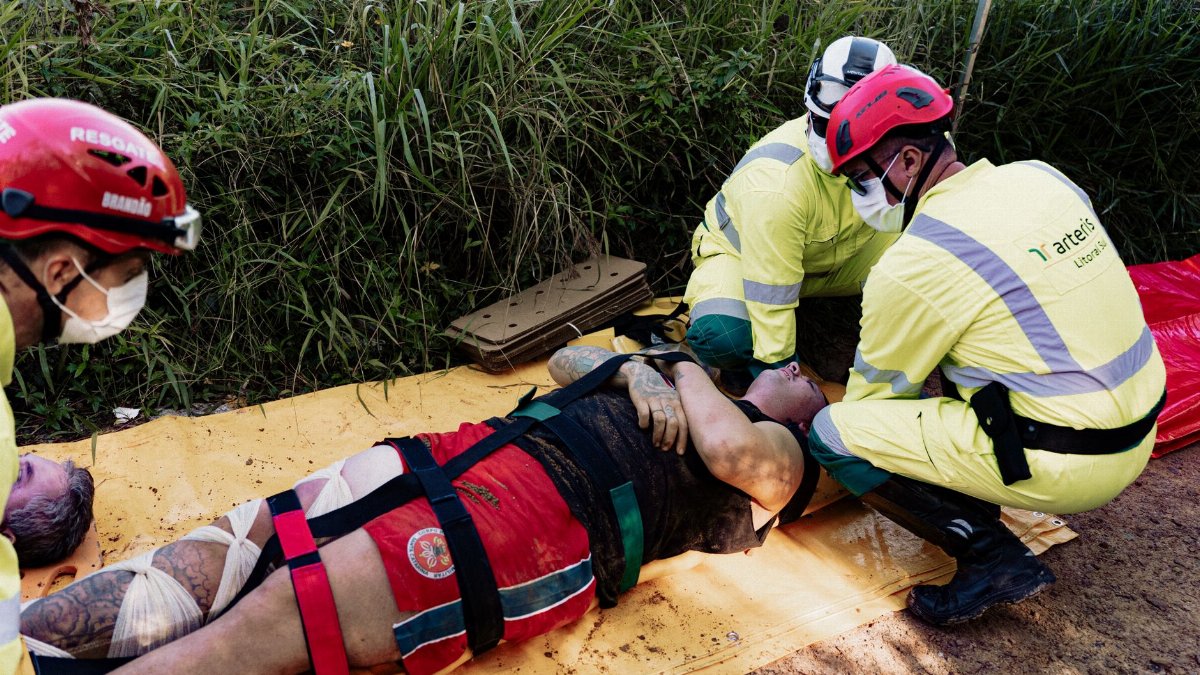
In the quiet stretches of coastal California where redwoods meet rushing streams a day of leisure at a well known swimming spot ended with emergency teams coordinating a careful extraction after a visitor sustained injuries. This Santa Cruz Mountains rescue drew attention to the fine line between enjoyment of natural settings and the sudden need for professional intervention in remote areas.
Details of the Afternoon Call for Help

Responders received reports of a person unable to move freely near the water. Local fire units and park rangers arrived to assess the situation amid dense foliage and uneven ground. The operation required specialized equipment to reach the site safely without further harm to anyone involved. Witnesses described the initial moments as tense yet orderly with clear communication guiding each step.
Why Popular Swimming Spots Carry Hidden Risks

Many visitors seek out these locations for their cool waters and scenic surroundings yet overlook factors such as slippery rocks or sudden drops in depth. Seasonal changes in water flow can alter conditions rapidly leaving even experienced swimmers vulnerable. Education campaigns by regional parks aim to highlight preparation steps like checking weather and carrying basic supplies.
Role of Coordinated Emergency Services

Multiple agencies worked together sharing resources and expertise to complete the task efficiently. Helicopters stood ready while ground crews navigated trails that offered limited access. Such collaboration reflects years of joint training exercises designed for precisely these kinds of remote incidents across the Bay Area.
Impact on Nearby Communities and Visitors

Residents in surrounding towns often monitor these events closely as they rely on the same trails for daily outings. Word spread quickly through local networks prompting conversations about personal responsibility when venturing out. Tourism officials noted that awareness can help sustain the appeal of these spots without discouraging respectful use.
Lessons from Past Operations in Similar Settings

Previous rescues in forested regions have shown the value of real time mapping tools and weather monitoring. Teams review each case to refine techniques for future calls. Public input from those familiar with the area sometimes contributes valuable details that improve overall response planning.
Balance Between Recreation and Preservation
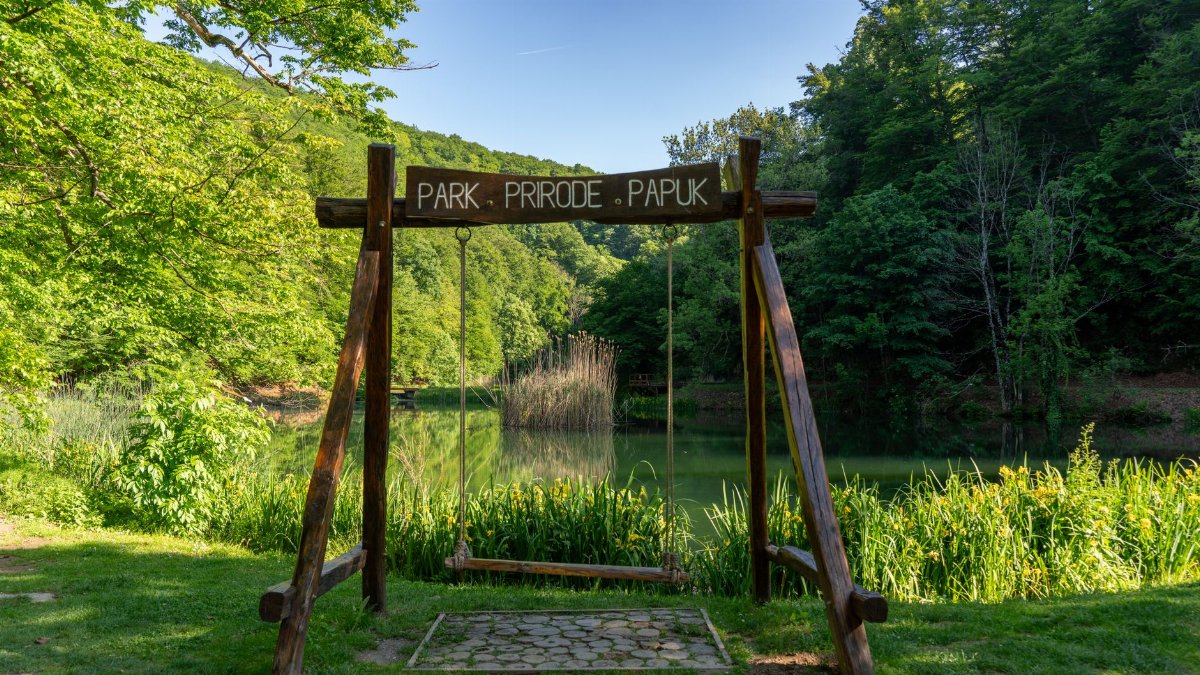
Land managers face ongoing decisions about access versus protection of sensitive ecosystems. Limiting certain activities during peak seasons helps reduce strain yet raises questions about equity in outdoor opportunities. Ongoing dialogue seeks solutions that respect both human enjoyment and ecological needs.
Personal Reflections on Nature Encounters

Observers sometimes recall their own moments of uncertainty in wild places where beauty masks potential hazards. These experiences foster greater appreciation for the professionals who step in when plans go awry. A measured approach to adventure encourages return visits with added caution.
Future Steps for Safety Awareness

Proposals include expanded signage and digital alerts sent to phones upon entering trailheads. Partnerships with schools and community groups could extend reach to younger audiences planning group trips. Evaluation of these measures will determine which prove most effective over time.