

As soccer enthusiasts from across the globe converge on Southern California for the upcoming tournament, they are discovering more than just matches at SoFi Stadium. They are sampling the everyday pleasures that define life in the region, from quick bites at beloved chains to upscale market hauls that reflect a health conscious lifestyle. World Cup California tourism is turning ordinary grocery runs and drive through stops into memorable parts of the journey.
Fast Food Favorites Become Unexpected Landmarks

Visitors often map their days around meals that locals take for granted. In N Out stands out for its simple menu and fresh ingredients prepared in view of customers. Fans from Europe and South America line up to try the signature burger, treating the experience as a cultural checkpoint rather than a rushed meal. The chain reports increased foot traffic on game days, with many patrons posting photos that blend team colors with the red and white signage.
Premium Markets Offer a Glimpse of Local Wellness Trends
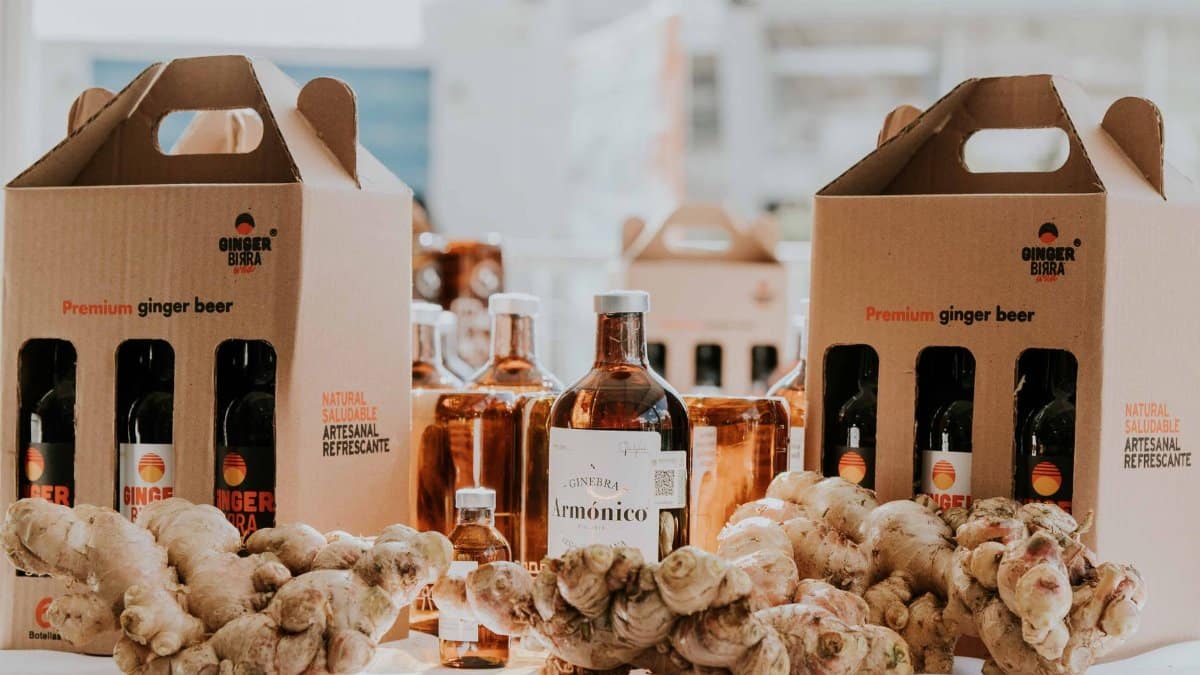
Erewhon has emerged as another draw for those seeking organic produce and specialty items not widely available elsewhere. International guests wander the aisles in search of adaptogenic drinks and prepared salads, viewing the store as an extension of California wellness culture. Store staff note that some fans ask for recommendations that align with training diets of their favorite athletes, extending conversations beyond typical shopping.
Trader Joes Provides Accessible Entry to Regional Flavors
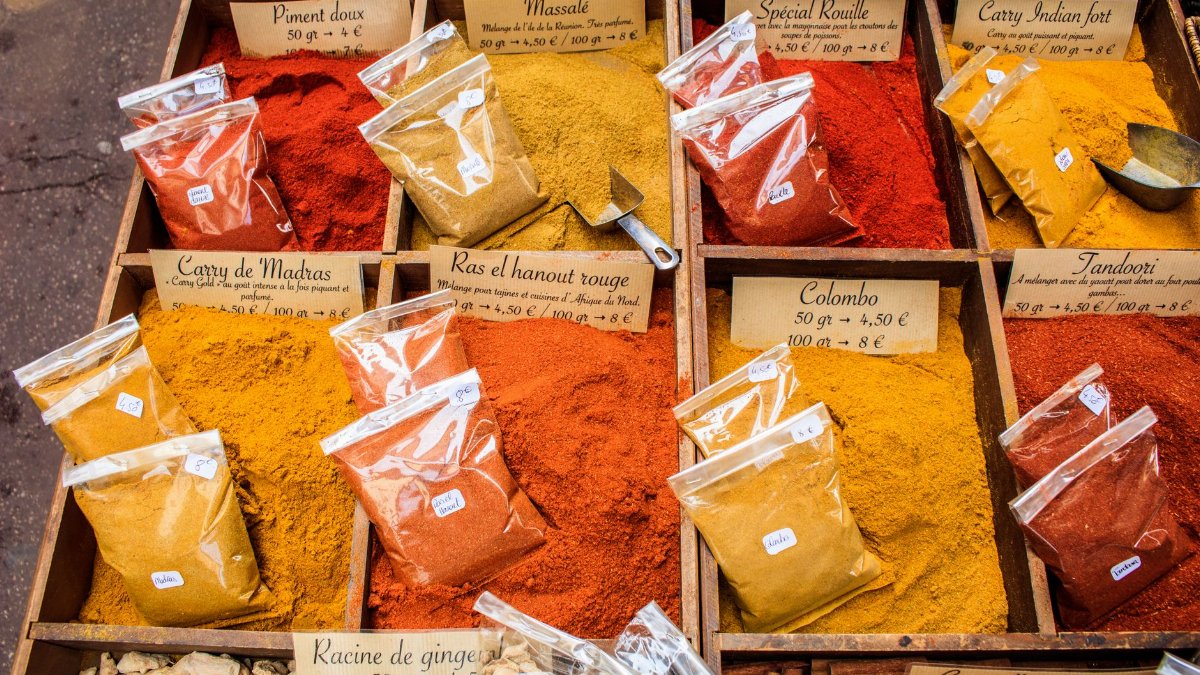
Shoppers also frequent Trader Joes for its affordable array of snacks and frozen options that travel well back home. The stores stock items such as unique spice blends and fruit bars that evoke the states agricultural abundance. Groups of supporters often visit after stadium events, stocking up on provisions that serve as souvenirs and conversation starters once they return to their home countries.
Stadium Proximity Shapes Daily Itineraries
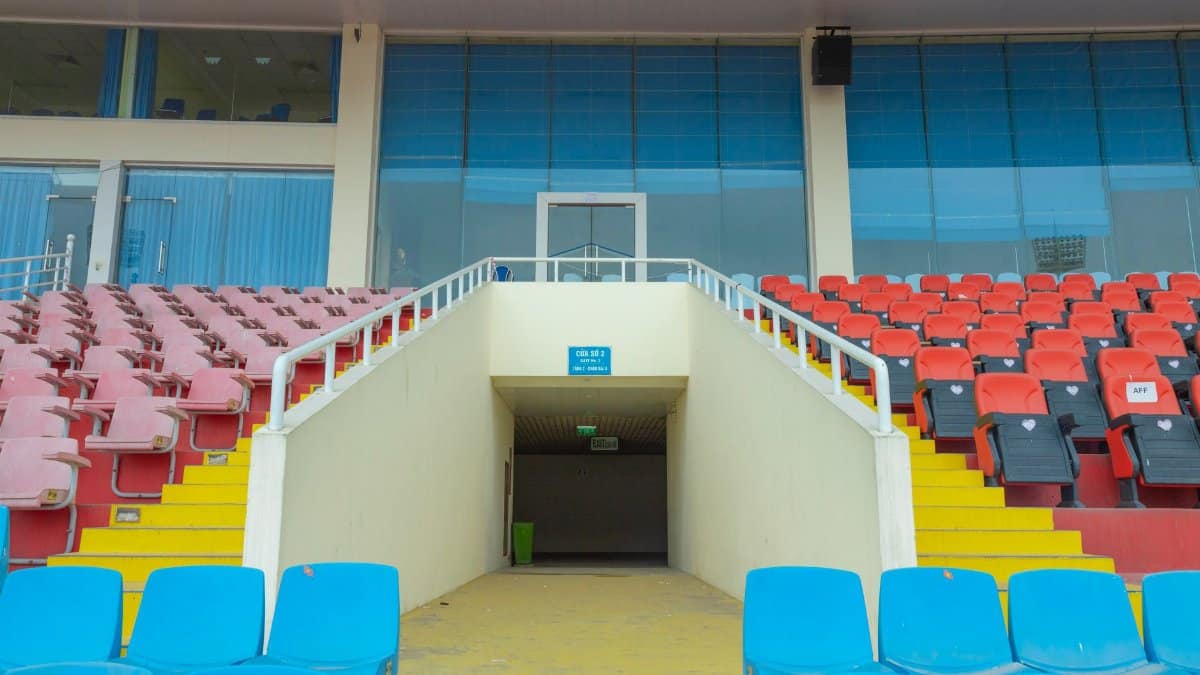
Location plays a central role in how fans structure their time. Properties near Inglewood see clusters of visitors combining match attendance with nearby errands. This pattern creates steady midday rushes at retail outlets that previously catered mainly to residents. Transportation apps show spikes in rides between the venue and these commercial areas on match evenings.
Local Businesses Adapt to New Customer Patterns
Merchants have adjusted staffing and inventory to accommodate the influx. Some locations extend hours on tournament dates while others introduce multilingual signage to ease navigation for non English speakers. Sales data indicate growth in categories tied to casual dining and take home goods, reflecting the dual role these stops play in both sustenance and exploration.
Cultural Exchange Happens in Checkout Lines
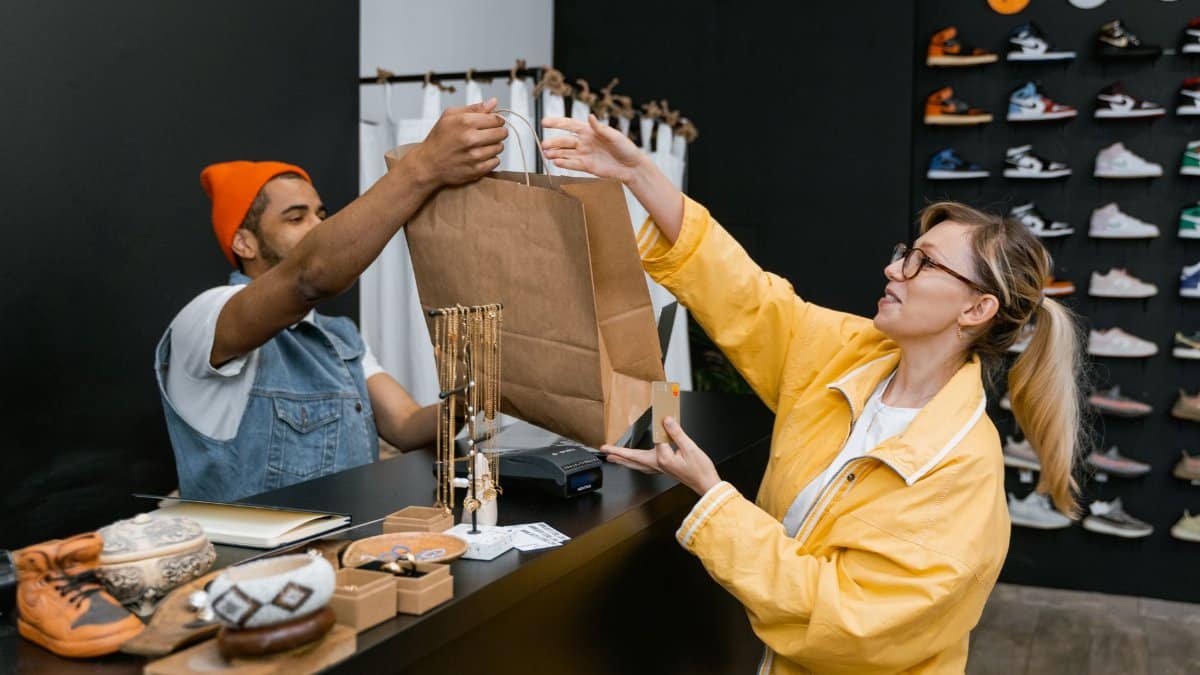
Brief encounters at registers turn into exchanges about regional differences in food and hospitality. Employees recount stories of fans comparing local offerings to street fare in their native cities. These moments foster goodwill and give businesses informal insights into what resonates with an international audience.
Long Term Effects on Regional Visibility

The current wave of interest may influence future travel decisions. Travelers who first encounter California through these outlets sometimes plan extended stays focused on food and lifestyle rather than solely on events. Tourism boards observe rising inquiries about similar experiences in future years, suggesting sustained interest beyond a single tournament cycle.
Balancing Commercial Growth With Community Character
While increased revenue benefits operators, some residents express concern about preserving the unhurried atmosphere that originally attracted loyal customers. Discussions in neighborhood forums center on maintaining service quality amid higher volumes without altering the familiar routines that define these establishments.