
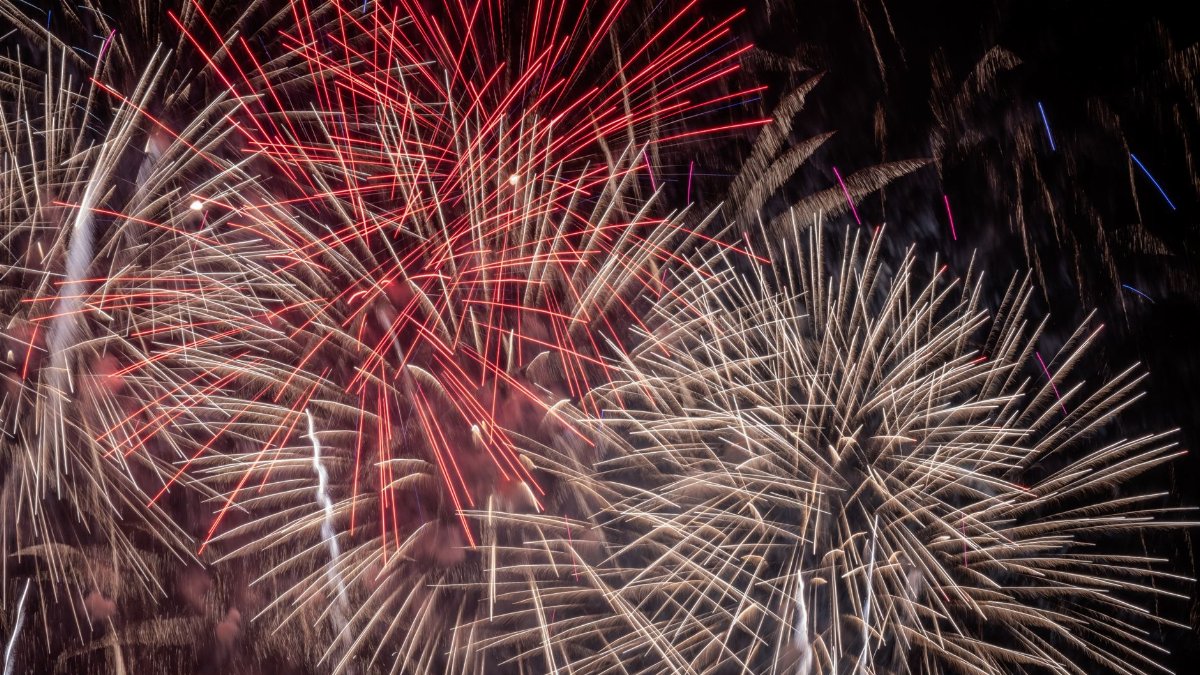
As the country nears a major milestone in its shared story, attention turns to Philadelphia where community leaders have unveiled expansive plans for public festivities. The events will center on a grand procession alongside extended displays of lights and music, drawing visitors from across the region. This effort forms part of a broader festival meant to mark two hundred fifty years since the founding era. In the heart of these preparations stands the Philly America 250 Parade, positioned as a highlight that blends pageantry with reflection on enduring national ideals.
Roots of the Semiquincentennial Observance

Philadelphia has long served as a focal point for moments that define collective memory. Organizers drew from past anniversaries to shape current activities, ensuring continuity with earlier tributes. Local historians note how previous gatherings fostered dialogue among diverse groups. The approach this time emphasizes inclusion through accessible public spaces and programming that appeals to families as well as scholars.
Scale of the Planned Procession

The main event on July 3 2026 will stretch along key downtown routes, involving thousands of participants from civic organizations and cultural ensembles. Floats and marching units will showcase regional heritage while highlighting contributions from various communities. City officials project record attendance based on early registrations and interest from neighboring states.
Integration with Welcome America Festivities
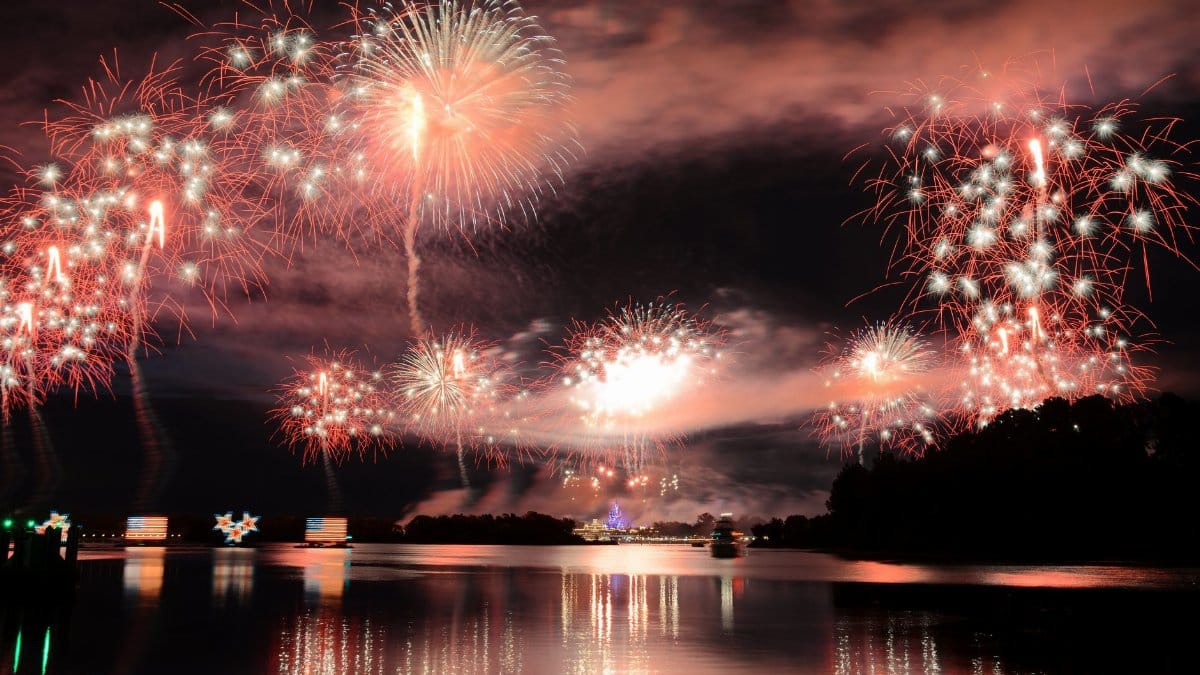
Six nights of fireworks will complement the daytime activities under the Wawa Welcome America banner. Evening concerts featuring regional artists will fill public squares, creating a rhythm of sound and spectacle. These elements aim to extend the reach beyond a single day, allowing repeated opportunities for participation.
Role of Corporate and Civic Partners

Sponsorship from established local businesses has enabled expanded production values without straining public budgets. Collaboration between municipal agencies and private entities has streamlined logistics such as traffic management and security. This model reflects a practical response to the demands of large gatherings in urban settings.
Anticipated Economic Ripple Effects

Tourism analysts expect measurable gains for hospitality and retail sectors in the months surrounding the events. Hotels report higher booking volumes while restaurants prepare themed offerings to capture visitor interest. Broader benefits may extend to transportation providers and artisans who supply materials for the displays.
Emphasis on Inclusive Participation
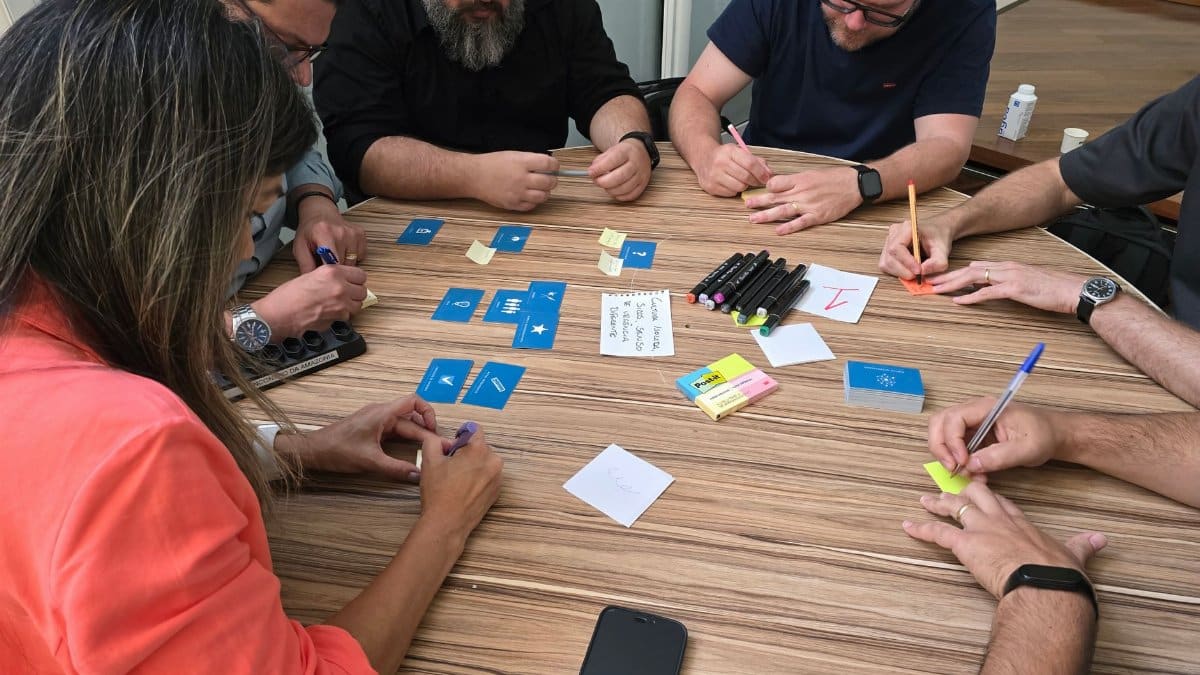
Programmers have consulted with community representatives to ensure representation across age groups and backgrounds. Educational components will accompany the spectacle, offering context on historical documents and figures tied to the anniversary. Such layers seek to transform entertainment into occasions for learning and conversation.
Logistical Preparations Underway
Route planning accounts for crowd flow and emergency access, with rehearsals scheduled in advance. Technology will aid real time coordination among staff, though traditional elements like printed maps remain available for those preferring them. Environmental considerations include waste reduction strategies during the multi day sequence.
Public Sentiment and Early Feedback

Residents express a mix of excitement and pragmatic concerns about temporary disruptions. Surveys conducted by local universities indicate strong support for the cultural programming while noting desires for affordable access points. Organizers continue to refine details in response to these inputs.
Looking Toward Lasting Legacies

Beyond the immediate celebrations, planners envision ongoing initiatives such as preserved archives and new public installations. These outcomes could sustain interest in the anniversary themes well after the final fireworks fade. The process underscores how temporary events can seed longer term community projects.