

In recent years the skyline above Arizona’s capital has begun to shift noticeably as developers respond to a surge in people seeking urban living near jobs and cultural spots. Construction activity has picked up pace around key corridors where new housing options continue to multiply. Downtown Phoenix apartments form part of this broader wave that promises to add thousands of units over the next several years. The trend reflects larger shifts in how residents view city centers as practical places to settle rather than mere destinations for work or entertainment.
Expansion Linked to Campus Growth
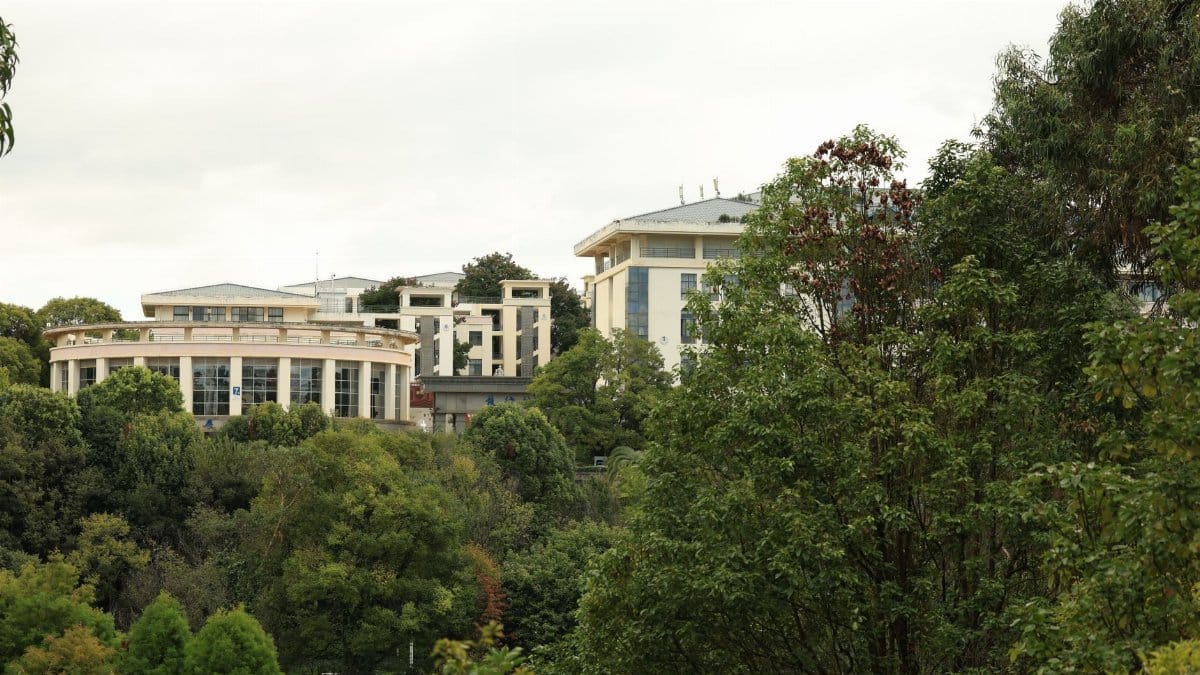
Arizona State University continues to draw students and staff who prefer shorter commutes and access to downtown amenities. This influx supports demand for varied housing types that range from compact studios to larger floor plans suited for families. Local planners note that the university footprint acts as a steady anchor for residential projects now underway.
Transit Lines Shape New Projects
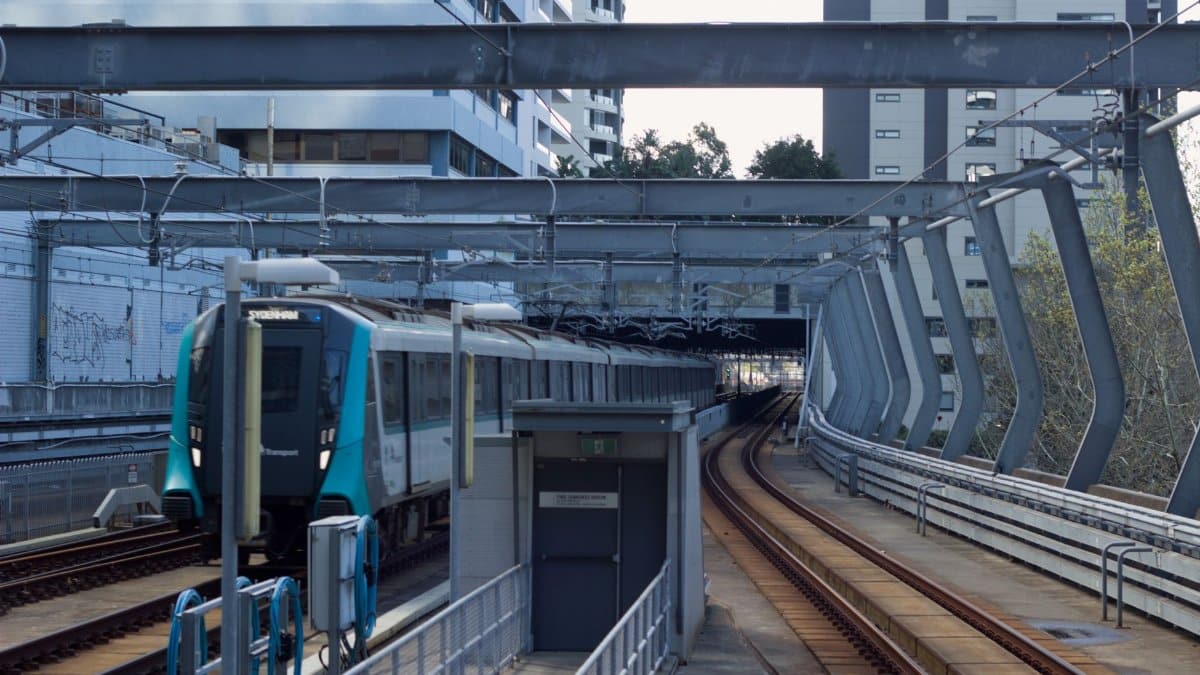
Light rail extensions have made several neighborhoods more accessible without reliance on personal vehicles. Builders cite these routes when explaining why certain parcels attract investment. Easier movement between employment centers and living spaces encourages more people to consider central locations as viable long term options.
Varied Housing Formats Emerge
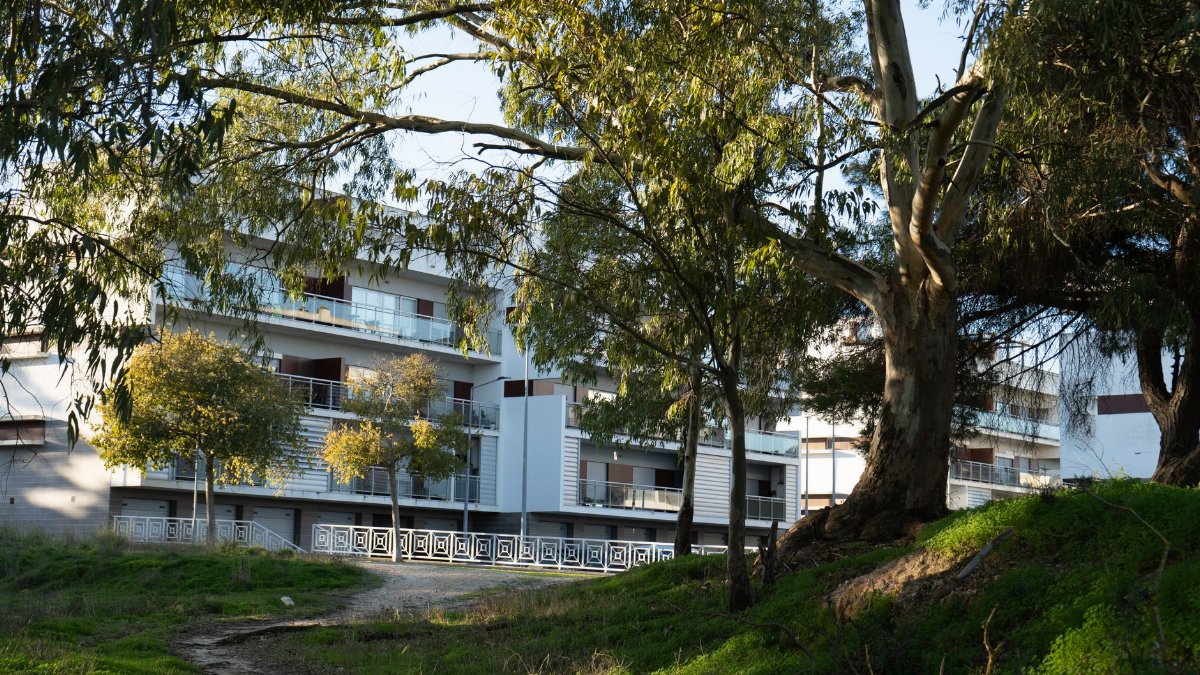
Developers are offering mixtures of rental buildings and mixed use structures that combine ground floor retail with upper level residences. Some projects emphasize shared courtyards while others focus on private balconies. This diversity aims to appeal to professionals, retirees and younger adults alike.
Economic Effects on Surrounding Areas
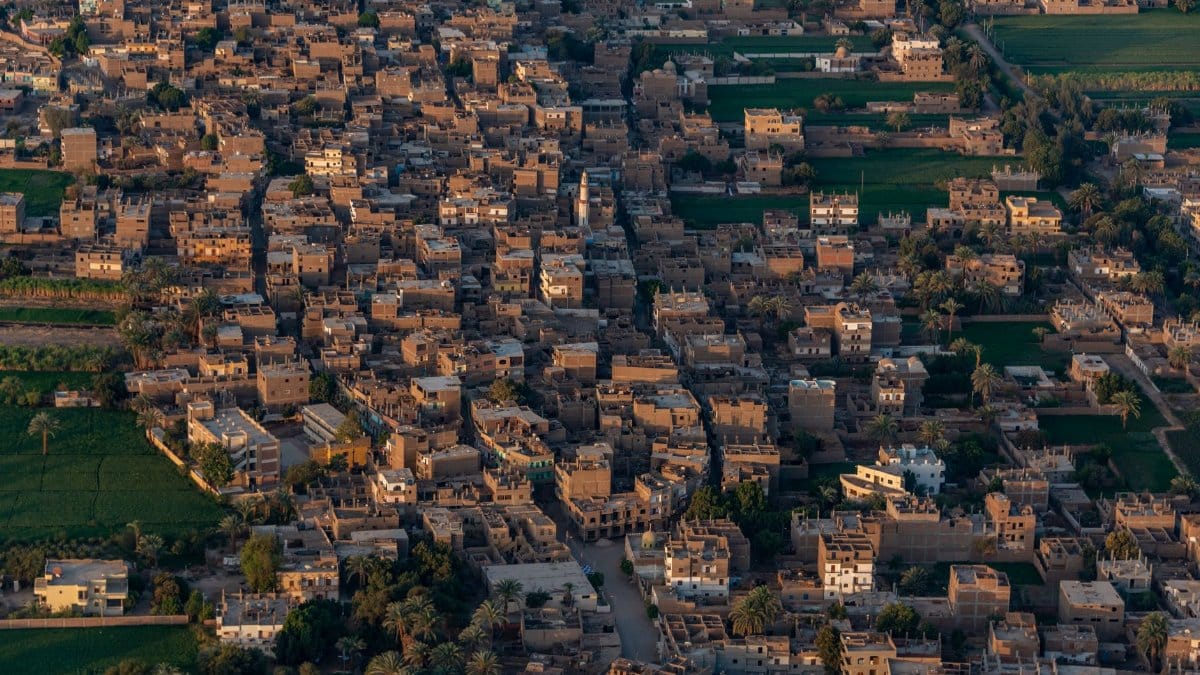
New residences bring increased foot traffic to nearby shops and restaurants. Property tax collections rise as assessed values adjust upward. City officials point to these changes as contributors to overall municipal revenue that can support public services.
Obstacles During Construction Phases
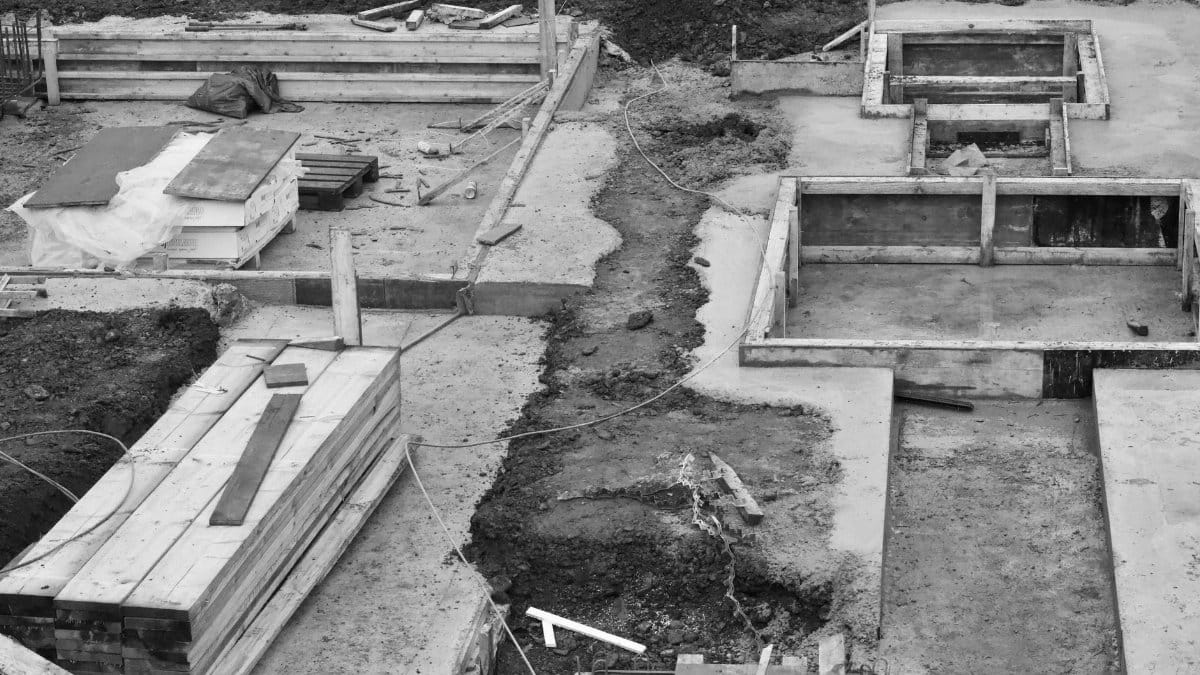
Supply chain delays and labor shortages occasionally slow timelines. Zoning reviews add further steps before ground can be broken on larger sites. Community meetings sometimes reveal concerns about noise or altered views during active building periods.
Comparisons Across Western Cities
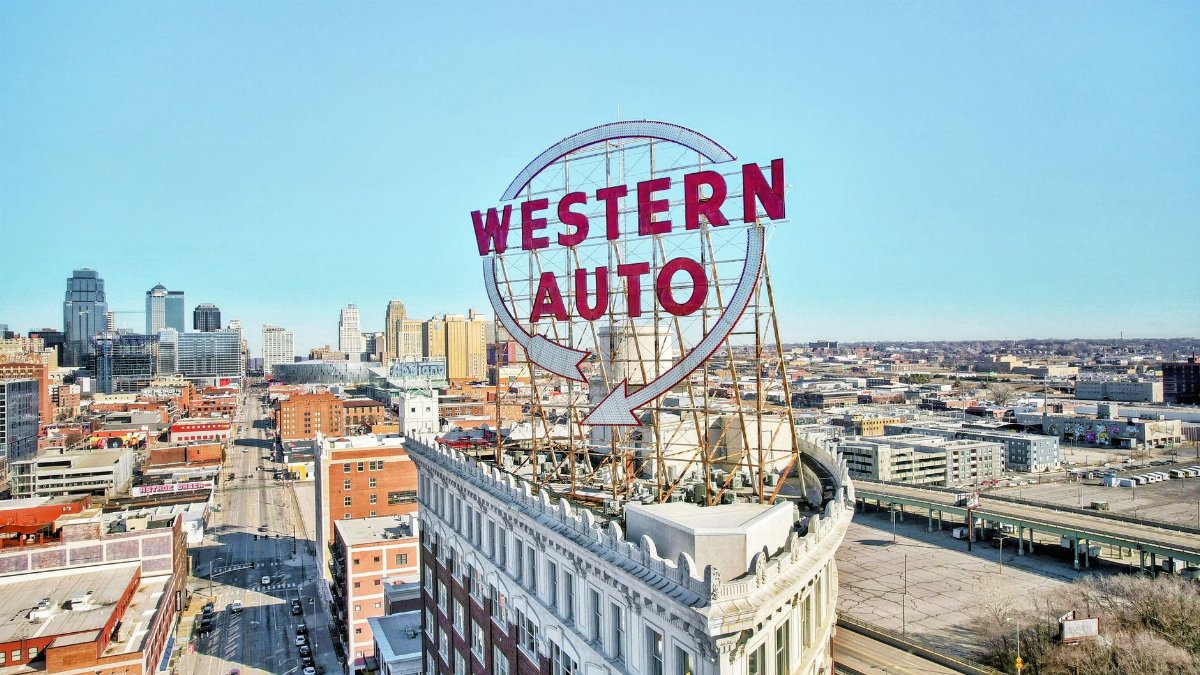
Phoenix follows patterns seen in places such as Denver and Salt Lake City where downtown housing inventories expanded rapidly in recent decades. Each location benefits from similar combinations of education institutions and improved transit. Differences appear mainly in climate considerations and available land parcels.
Looking Ahead to Completion Dates

Projections from local reporting indicate several thousand units could reach the market by the close of the decade. The Arizona Republic detailed many of these efforts in coverage published in May 2026. Ongoing approvals suggest the pipeline will remain active beyond initial phases.
Views from Current Residents
People already living downtown mention convenience to events and dining as primary draws. Some appreciate reduced driving times while others value the sense of community that develops in denser settings. Feedback collected at neighborhood gatherings helps shape later project designs.
Emphasis on Green Building Practices

Many proposals incorporate solar panels and efficient water systems to lower operating costs. Landscaping plans often feature drought tolerant plants suited to the desert setting. These choices reflect broader goals of reducing environmental strain while maintaining comfort.
Understanding Market Pressures

Rising interest in central living coincides with limited suburban expansion options in some directions. Employers relocating offices downtown add another layer of demand. Analysts track occupancy rates closely to gauge whether supply will keep pace with incoming residents.