
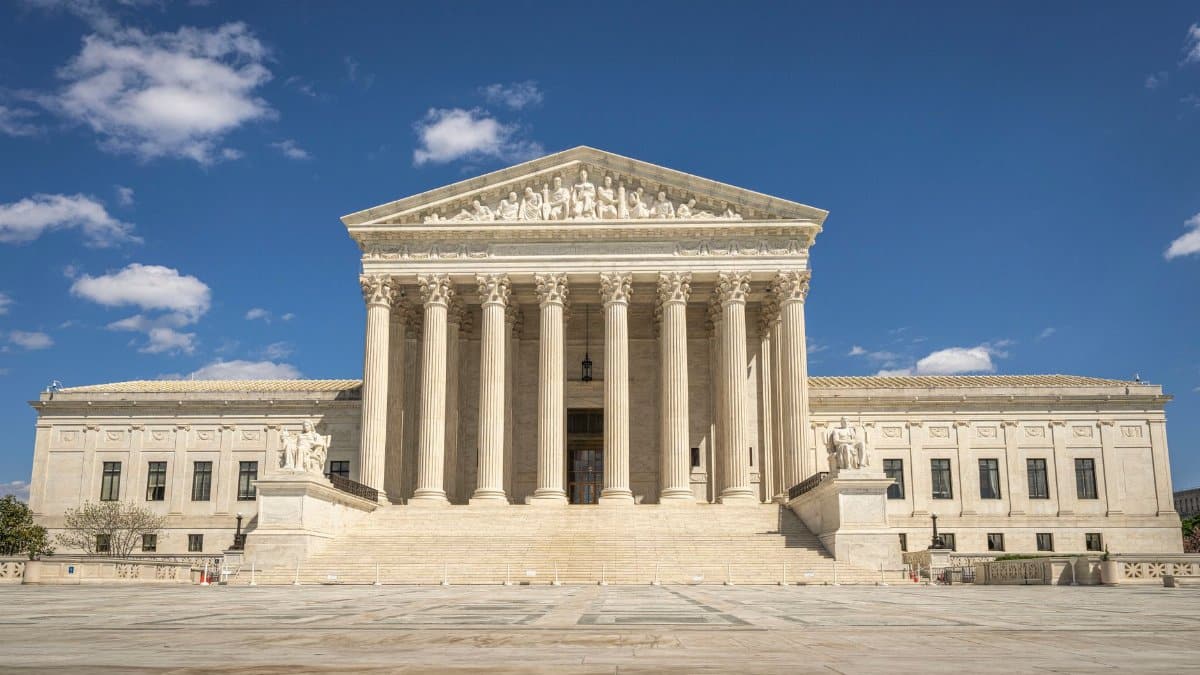
The California Supreme Court recently delivered a ruling that reshapes how local governments can monitor law enforcement leaders. This decision affirms the authority of counties to establish independent bodies capable of reviewing actions by sheriffs. In doing so the court has clarified pathways for California sheriff oversight that had faced legal challenges in several regions. The outcome strengthens tools for civilian review across the state and sets precedents for similar efforts elsewhere.
Background on the Legal Challenge

Several sheriff departments questioned whether counties possessed the power to form oversight panels with the ability to issue subpoenas. Lower courts had issued mixed signals leaving uncertainty about the scope of local authority. The high court reviewed these arguments and concluded that existing state laws permit such structures without violating constitutional protections for elected officials.
Key Elements of the Ruling

The justices emphasized that oversight agencies must operate within defined legal boundaries while retaining meaningful investigative reach. Subpoena power received particular attention as a necessary feature for thorough examinations. This aspect allows panels to gather documents and testimony that might otherwise remain inaccessible.
Reactions from County Officials
Leaders in Los Angeles and San Francisco welcomed the clarity provided by the decision. They noted that prior ambiguity had slowed the creation of review mechanisms in rapidly growing areas. With the matter settled counties can now proceed with plans that incorporate public input and structured reporting.
Effects on Sheriff Operations

Sheriffs across California will now interact with oversight entities under clearer rules. Training programs for deputies may incorporate new guidelines on cooperation with review boards. Some departments anticipate modest increases in administrative workload yet view the changes as manageable within current budgets.
Public Access and Transparency Measures

The ruling supports greater openness by requiring regular reports from oversight bodies to elected supervisors. Residents gain additional avenues to submit concerns about incidents involving sheriff personnel. These channels aim to build trust through consistent documentation rather than isolated complaints.
Comparisons with Other States
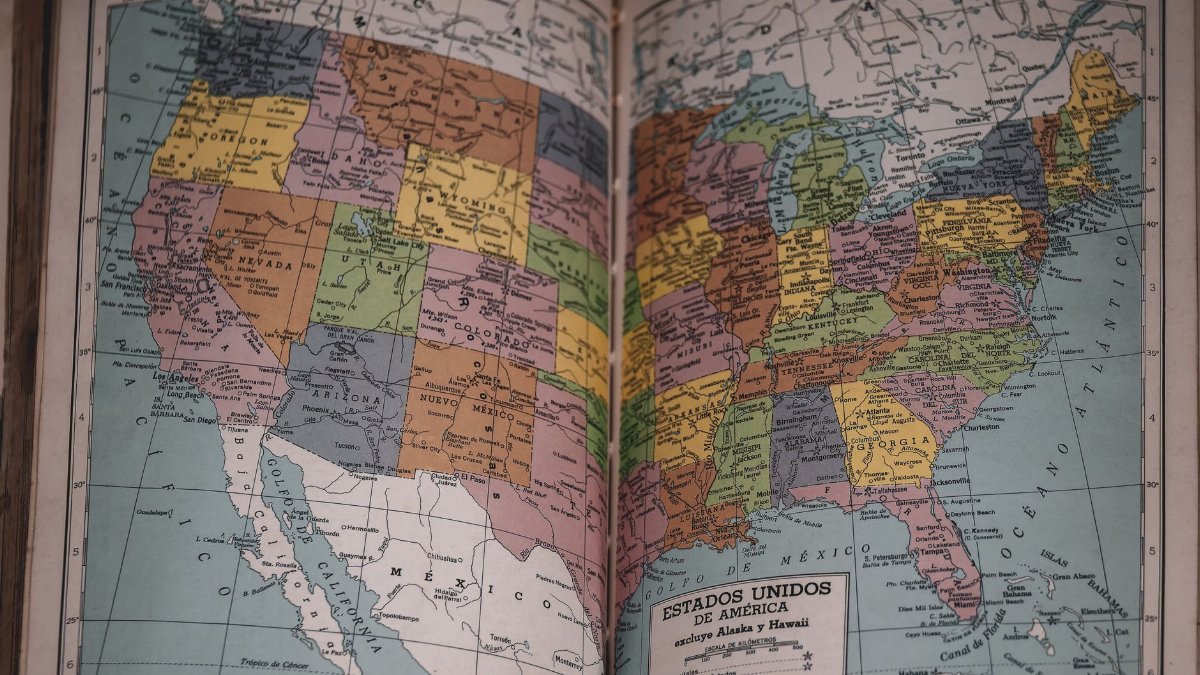
California joins a small group of states where courts have upheld broad local powers for law enforcement review. Neighboring Arizona maintains stricter limits on civilian panels while Oregon allows limited subpoena authority in specific urban counties. The California approach stands out for its emphasis on county level flexibility.
Potential Future Developments

Lawmakers may consider legislation to standardize training and funding for oversight groups statewide. Advocates expect additional lawsuits testing the limits of subpoena enforcement in rural jurisdictions. Over time the framework could influence how other public safety agencies face similar scrutiny.
Considerations for Smaller Counties

Rural areas with limited staff resources expressed cautious optimism about implementing new review processes. Some plan to share administrative duties across multiple counties to control costs. The court decision provides room for such cooperative models while maintaining core accountability functions.
Long Term Implications for Accountability

California sheriff oversight now rests on firmer legal ground that encourages proactive measures by local governments. The ruling reduces the likelihood of repeated court battles over basic authority. Communities stand to benefit from sustained attention to policies that affect daily interactions between residents and sheriff personnel.