

As the sun sets over the Sonoran Desert political observers are turning their attention to the upcoming contests that will shape representation in Washington. Arizona stands out as a battleground where shifting demographics and key issues like water rights and border security play central roles. With all nine seats in the U.S. House up for grabs the landscape for Arizona Congress 2026 promises intense competition across urban centers and rural areas alike.
The Nine Districts at Stake
Arizona features nine congressional districts each with unique voter bases ranging from the bustling streets of Phoenix to the quieter expanses near the border. District one covers much of the northern part of the state including Flagstaff where environmental concerns often dominate discussions. Candidates here focus on public lands and tourism as core platforms.
Emerging Candidates in District One
Several figures have signaled interest in challenging the incumbent in district one. Local leaders emphasize education funding and economic growth tied to outdoor recreation. The field remains fluid with potential entrants from both major parties preparing their messages for primary voters.
District Two Focus Areas
In district two which includes parts of Tucson the conversation centers on technology and university driven innovation. Aspirants highlight workforce development and partnerships with research institutions to attract new business. This area has seen steady population gains influencing campaign strategies.
Key Voices in District Three
District three encompasses diverse neighborhoods in the Phoenix area where housing affordability ranks high among voter priorities. Those seeking the seat stress infrastructure improvements and community investment to address rapid urban expansion.
District Four Rural Perspectives
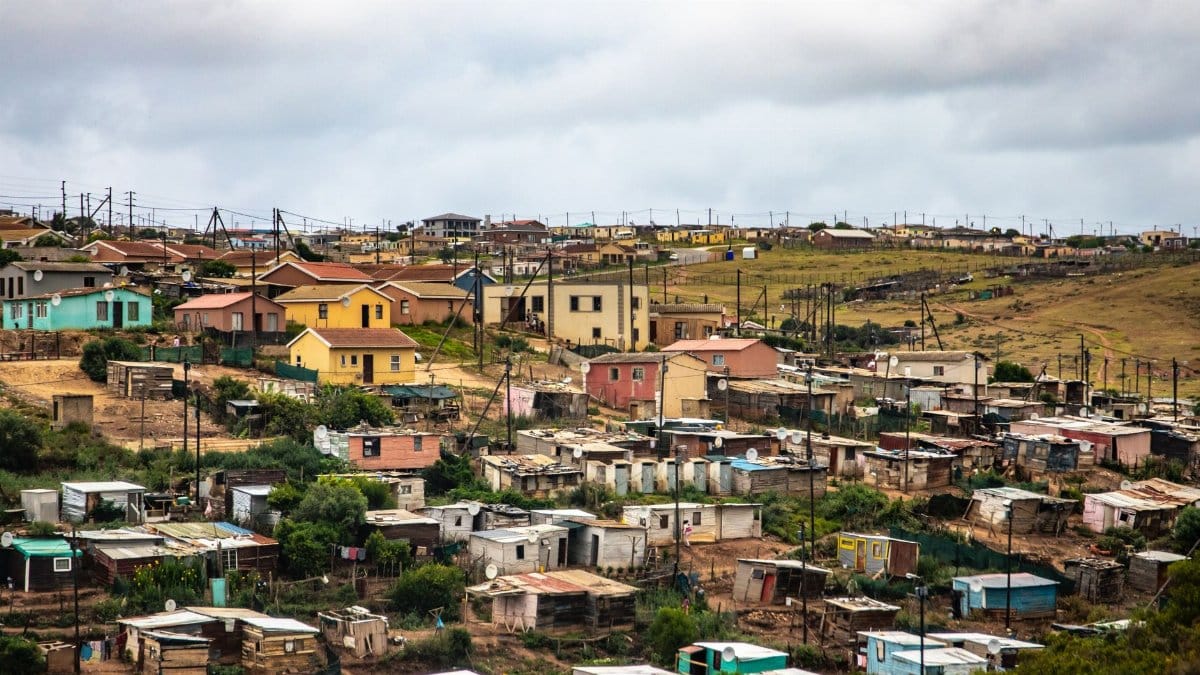
Rural voters in district four often prioritize agriculture and energy policy. Potential candidates draw from farming communities and small towns advocating for federal support on irrigation and renewable projects that sustain local economies.
Competition in District Five

District five located in the eastern suburbs of Phoenix attracts attention for its mix of families and professionals. Campaigns here frequently address transportation needs and school resources amid ongoing growth.
District Six Urban Dynamics
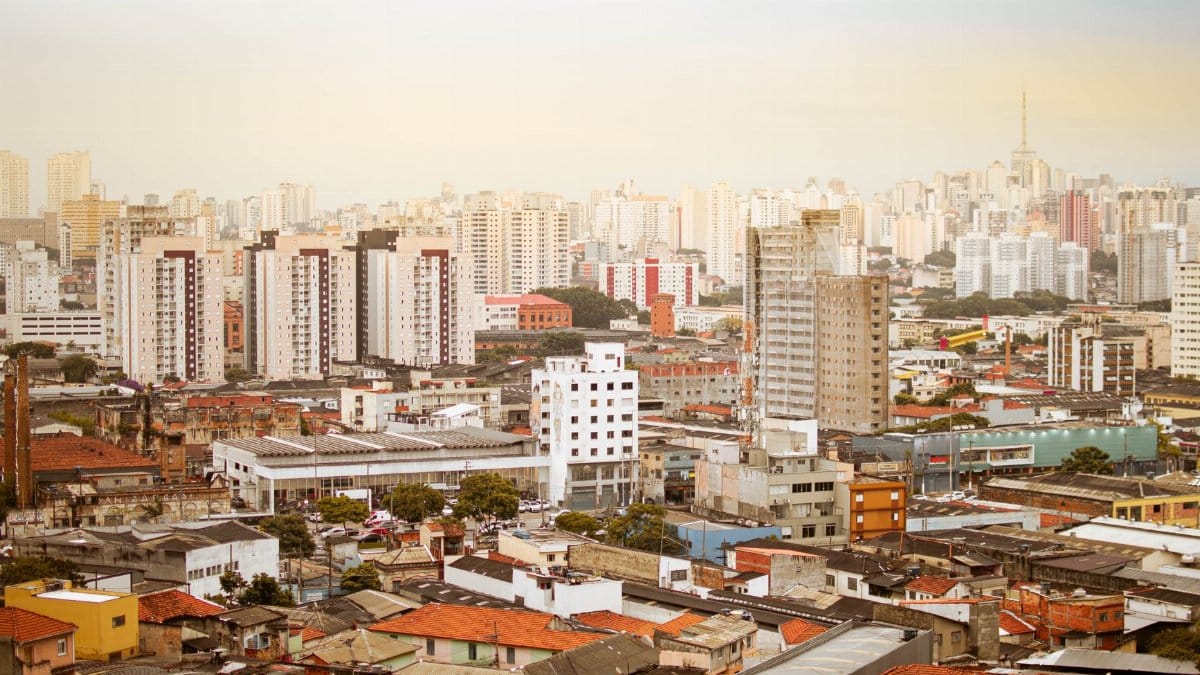
The urban core of district six brings forward debates on public safety and social services. Individuals exploring runs stress inclusive policies that reflect the district multicultural makeup and economic challenges.
Shifting Alliances in District Seven
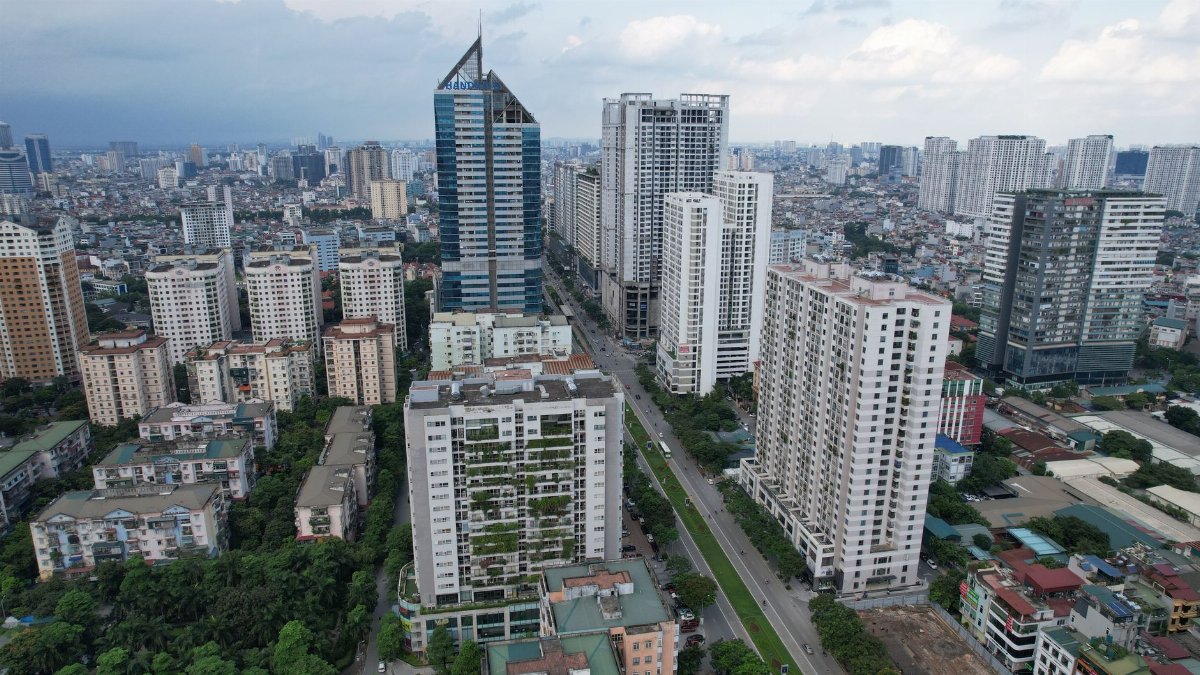
District seven near the border sees candidates weighing immigration enforcement with trade opportunities. Local business owners and activists alike shape the dialogue pushing for balanced approaches that support both security and commerce.
District Eight Border Considerations
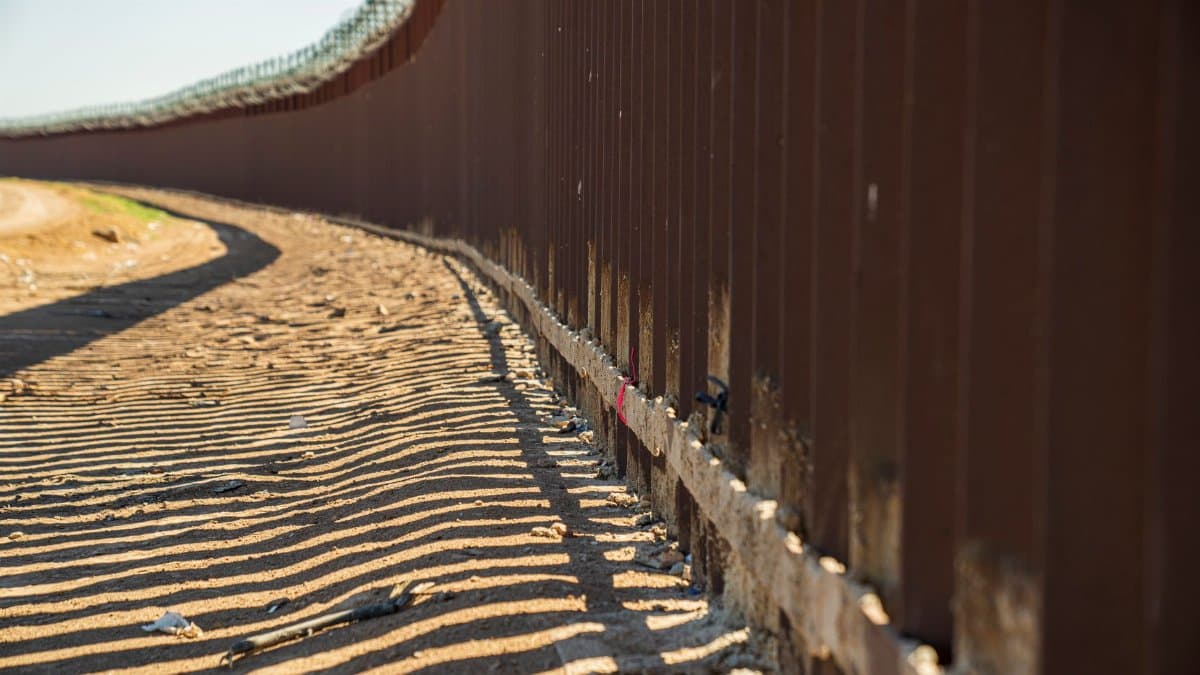
In district eight candidates often discuss cross border relations and their impact on daily life. Emphasis falls on job creation through legitimate trade channels and community resilience programs.
District Nine Southern Reach
District nine rounds out the map with its southern focus where water management and climate adaptation emerge as leading topics. Those running stress long term planning to protect resources for future generations.
Primary Season Outlook
The July primaries will serve as an early test for many hopefuls narrowing the field before the general election. Party leaders watch closely for signs of momentum in key counties.
General Election Implications
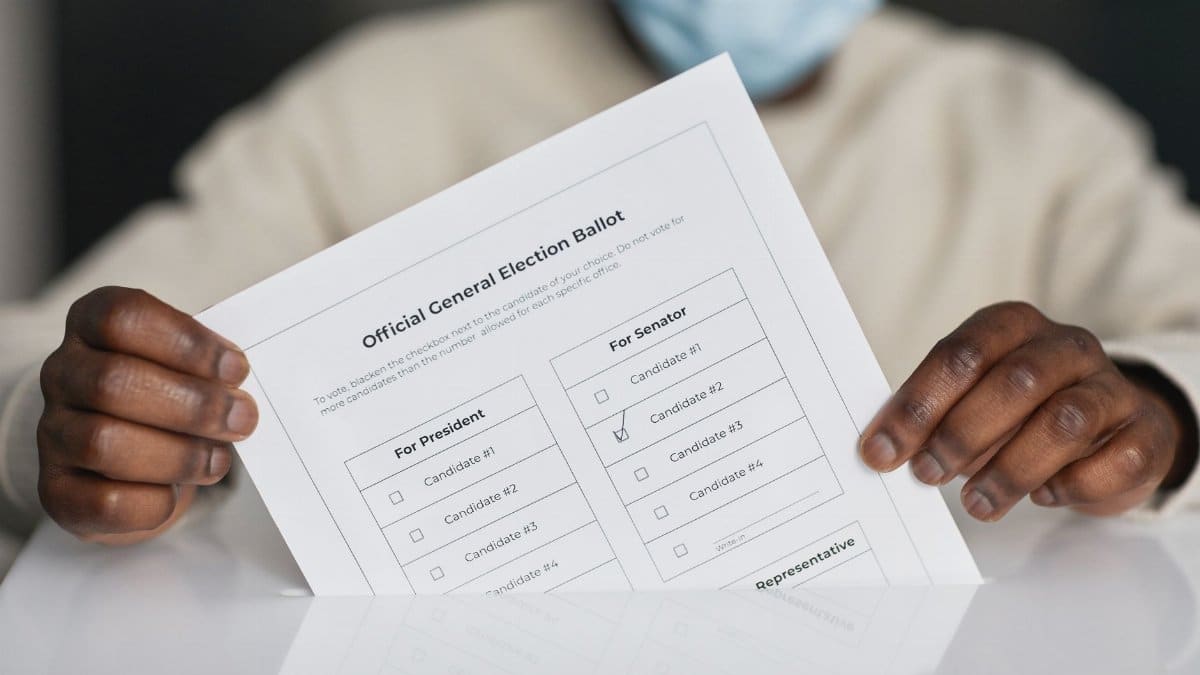
Beyond the primaries the November vote will determine the final makeup of the delegation. Analysts note that turnout in suburban and rural precincts could prove decisive in several races.
Broader State Influences
Arizona Congress 2026 unfolds against a backdrop of national trends including economic uncertainty and evolving federal priorities. Statewide issues such as drought response intersect with local campaigns adding layers of complexity.